The varieties and basic information for successful breeding of Neocaridina in the aquarium
Neocaridina davidi, also known as the cherry shrimp or red cherry shrimp, is a small freshwater crustacean that is popular in the aquarium trade. It is native to Taiwan and is widely kept in home aquaria as a decorative species due to its attractive red coloration. Cherry shrimp are relatively easy to care for and can thrive in a variety of water conditions. They are peaceful and do well in community tanks with other small, non-aggressive fish species. They are omnivorous and will eat a variety of foods, including algae, plant matter, and commercially available shrimp pellets or flakes. It is important to maintain good water quality and to provide plenty of hiding places for the shrimp in the tank. Cherry shrimp are known to breed readily in the home aquarium and can produce hundreds of offspring if conditions are favorable.
Cherry shrimp are relatively easy to breed in the home aquarium. They are known for their ability to produce hundreds of offspring under favorable conditions. Here are some tips for breeding cherry shrimp:
- Start with a healthy, well-established colony of cherry shrimp. A 10-gallon tank with a stable water quality and temperature is sufficient for a small colony.
- Provide plenty of hiding places for the shrimp to lay their eggs. Shrimp like to lay their eggs in crevices or on plants, so be sure to include plenty of decorations in the tank.
- Feed the shrimp a varied diet to ensure they are getting all the nutrients they need. A combination of algae, plant matter, and commercial shrimp pellets or flakes is sufficient.
- Maintain good water quality. Cherry shrimp are sensitive to poor water conditions, so be sure to regularly test and maintain the pH, temperature, and overall water quality.
- Keep the tank well-aerated. Cherry shrimp require a good supply of oxygen to thrive, so be sure to use a high-quality filter and consider adding an air stone to the tank.
- Once the shrimp reach sexual maturity (around 3-4 months old), they will begin to breed. The females will lay their eggs on the underside of leaves or in other hiding places in the tank. The eggs will hatch into larvae after about a week, and the larvae will develop into adult shrimp after another week or two.
- It is important to separate the adult shrimp from the larvae to prevent the adults from eating the young. You can do this by using a partition or by setting up a separate tank for the larvae.
By following these steps, you should be able to successfully breed cherry shrimp in your home aquarium.
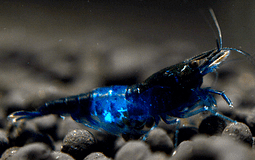
There are several varieties of Neocaridina genus shrimp that are popular in the aquarium trade. Some of the most common varieties include:
- Cherry shrimp (Neocaridina davidi): This is the most popular variety of neocaridina shrimp, known for its bright red coloration. It is native to Taiwan and is relatively easy to care for in the home aquarium.
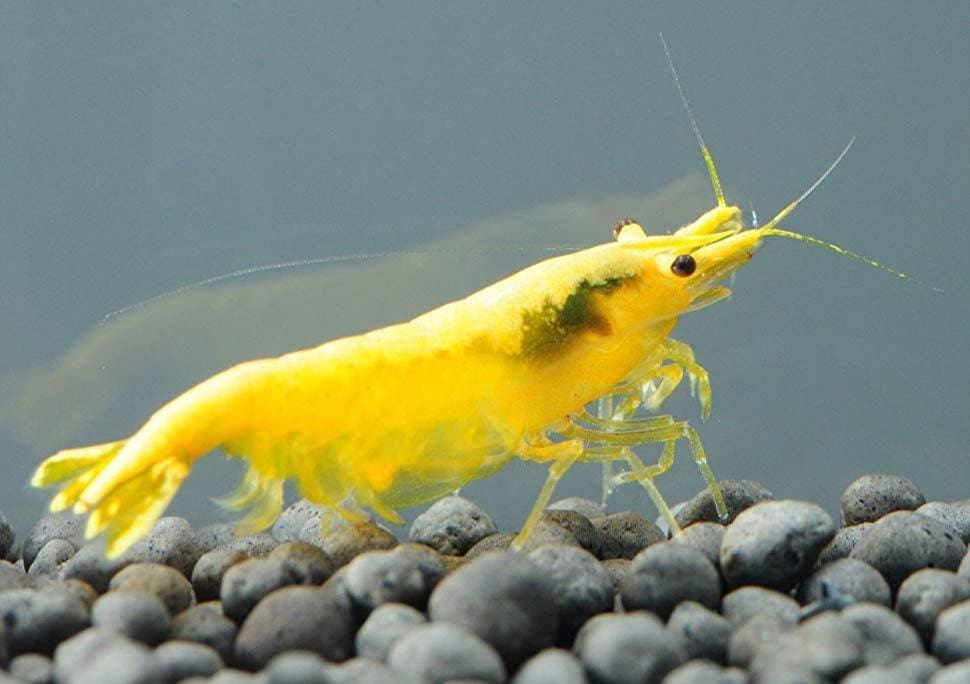
- Yellow shrimp (Neocaridina heteropoda): This variety of neocaridina shrimp is known for its bright yellow coloration. It is native to Taiwan and is also relatively easy to care for in the home aquarium.
- Blue shrimp (Neocaridina denticulata sinensis): This variety of neocaridina shrimp is known for its bright blue coloration. It is native to Taiwan and is similar in care to the cherry and yellow shrimp.
- Green shrimp (Neocaridina denticulata sinensis): This variety of neocaridina shrimp is known for its bright green coloration. It is also native to Taiwan and is similar in care to the other neocaridina varieties.
- Snowball shrimp (Neocaridina cf. zhangjiajiensis): This variety of neocaridina shrimp is known for its white coloration with red eyes. It is native to China and is similar in care to the other neocaridina varieties.
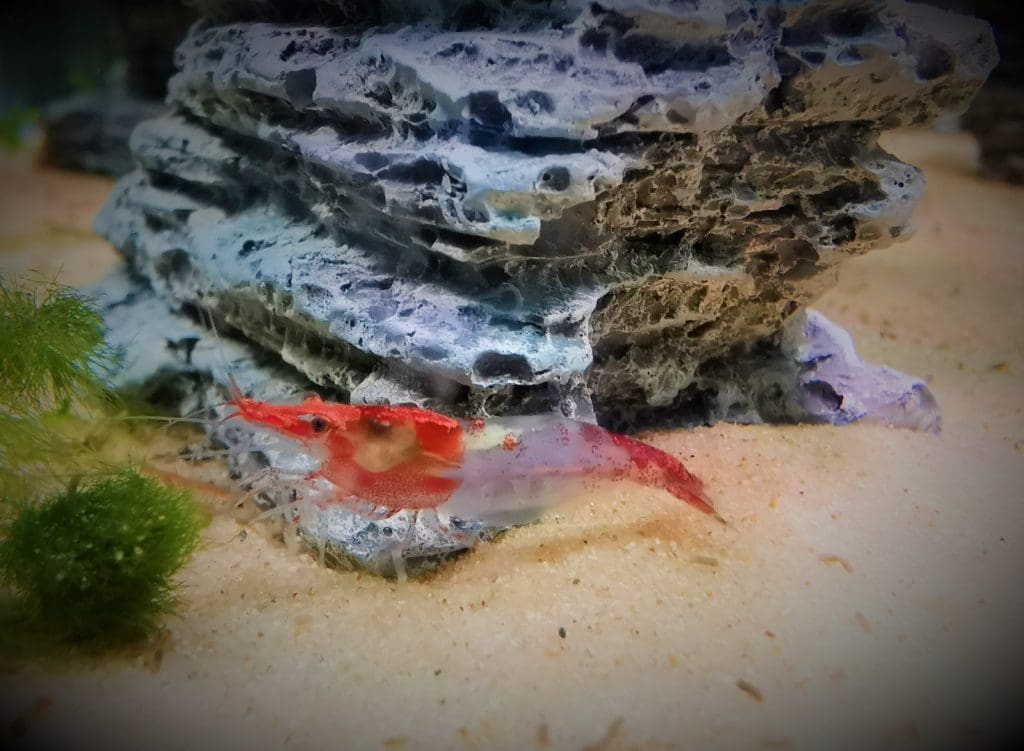
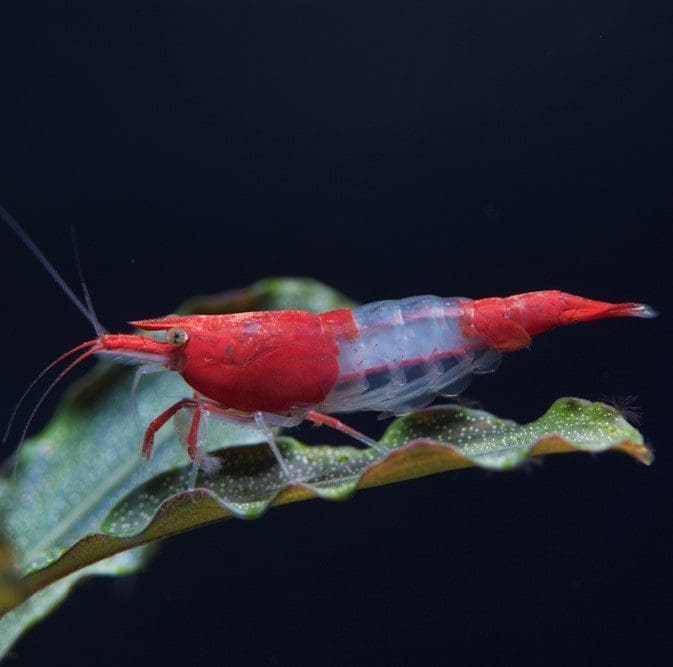
- Red rili shrimp (Neocaridina cf. zhangjiajiensis): This variety of neocaridina shrimp is known for its red and white striped coloration. It is native to China and is similar in care to the other neocaridina varieties.
These are just a few examples of the many varieties of neocaridina shrimp that are available in the aquarium trade. Each variety has its own unique coloration and characteristics, making them popular choices among hobbyists.