Categories
News

Oranda Shogun for sale in Thailand

Import/Export Oranda Shogun in Thailand. Shogun Oranda wholesale

Breeding Oranda goldfish, also known as “Oranda Shogun” in Japan, can be a rewarding and fascinating hobby. Here are some basic steps for breeding Oranda goldfish:

  1. Choose healthy adult fish: Look for healthy Oranda goldfish that are at least one year old and have reached sexual maturity. You should choose a male and female fish that have similar body size and shape.
  2. Create a breeding tank: Prepare a breeding tank with a volume of at least 20 gallons. The tank should have a filtration system, heater, and an air stone for oxygenation. The water should be clean and well-oxygenated, with a temperature between 68 and 72 degrees Fahrenheit.
  3. Introduce the fish to the breeding tank: Introduce the male and female fish to the breeding tank and allow them to get comfortable with their surroundings for a few days.
  4. Observe the fish behavior: Watch the fish carefully for signs of breeding behavior, such as the male chasing the female, nudging her belly, and pressing his body against hers.
  5. Provide spawning material: Once breeding behavior is observed, provide spawning material such as a spawning mop, which is a bunch of yarn or cotton tied together in a clump. The fish will lay eggs on the mop, and you can remove it from the tank once the eggs have been laid.
  6. Incubate the eggs: Incubate the eggs in a separate tank with similar water conditions to the breeding tank, and keep the temperature stable. The eggs will hatch within 48 to 72 hours.
  7. Feed the fry: Once the fry have hatched, feed them small amounts of baby brine shrimp or commercially available fry food. It is important to remove any uneaten food to prevent water contamination.

Breeding Oranda goldfish can be a rewarding experience, but it requires patience, attention to detail, and a commitment to providing a healthy environment for the fish.

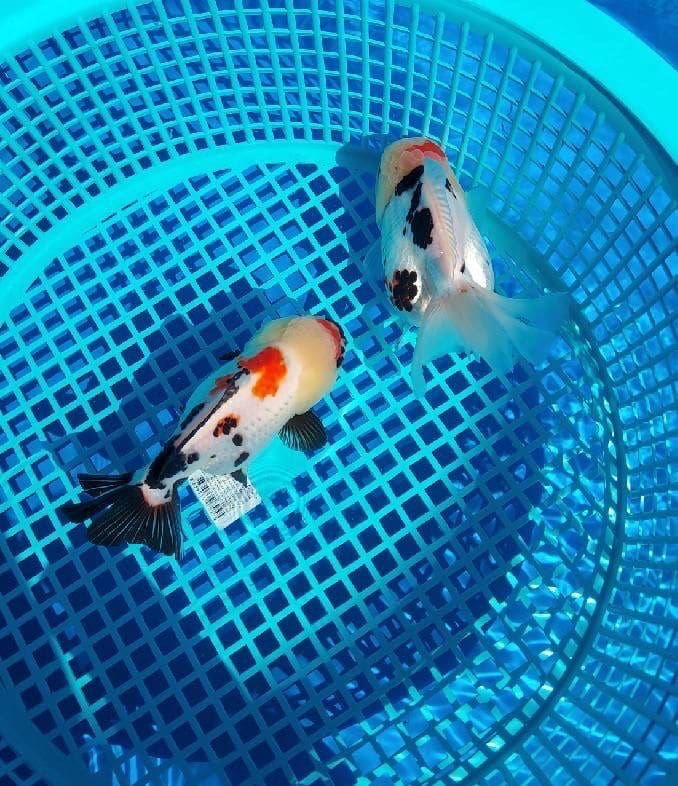
Oranda Shogun Small Size

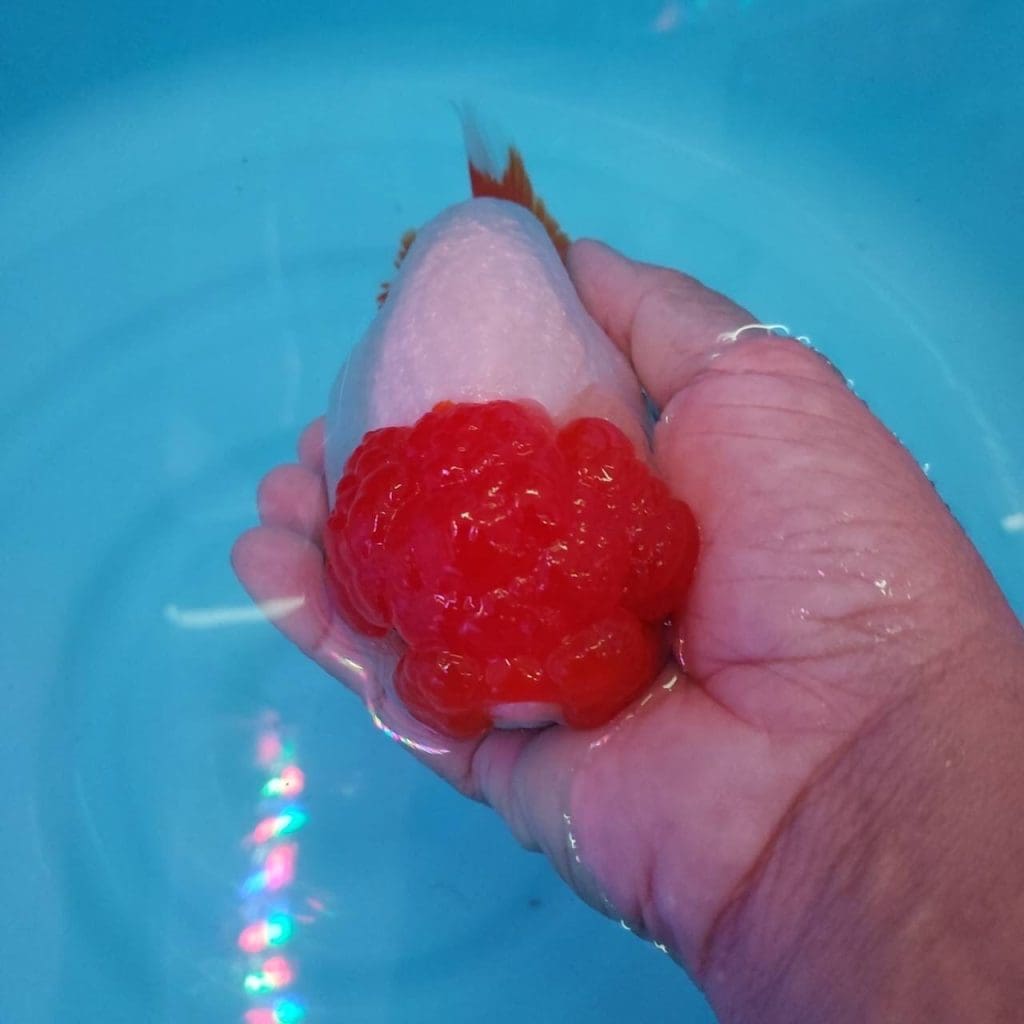
The Oranda goldfish, also known as “Oranda Shogun” in Japan, is a type of fancy goldfish that is known for its distinct body shape and head growth. The body shape of an Oranda Shogun is characterized by a short, deep body with a slightly curved back and a large, rounded belly. The tail fin is usually short and slightly forked, while the dorsal fin is long and erect. The pectoral fins are delicate and feathery, while the anal fin is single and long.

One of the most distinctive features of the Oranda Shogun is its head growth, which is called a “wen.” The wen is a fleshy growth that covers the top of the head and extends down the sides of the face. It is usually round and symmetrical, and can range in size from small and compact to large and flowing. The wen is an important characteristic of the Oranda Shogun and is one of the key features that distinguishes it from other types of fancy goldfish.

In general, the body shape of an Oranda Shogun should be symmetrical and proportionate, with a short, deep body and a large, rounded belly. The head growth should be round and well-developed, but should not impede the fish’s ability to see or swim. When selecting an Oranda Shogun, it is important to look for a fish with a well-proportioned body and a healthy, well-developed wen.

Shogun Oranda for sale in Thailand

Proper feeding is essential for the health and well-being of your Oranda goldfish, also known as “Oranda Shogun” in Japan. Here are some tips for feeding your Oranda Shogun:

Choose the right food: Oranda Shogun goldfish are omnivorous and will eat both plant and animal matter. Choose a high-quality commercial fish food that is formulated specifically for goldfish, or you can supplement their diet with fresh or frozen foods such as brine shrimp, bloodworms, and daphnia.

Feed in small portions: Goldfish have small stomachs and are prone to overeating, which can lead to health problems. Feed your Oranda Shogun in small portions two to three times a day, only giving them the amount of food they can consume in 2-3 minutes.

Avoid overfeeding: Overfeeding can lead to obesity, digestive problems, and water quality issues. If you notice that your Oranda Shogun is leaving uneaten food in the tank, adjust the amount of food you are feeding them.

Supplement with greens: Oranda Shogun goldfish enjoy eating greens such as lettuce, spinach, and peas. You can blanch these vegetables and feed them to your fish as a supplement to their regular diet.

Provide variety: Goldfish enjoy a variety of foods, so it’s a good idea to switch up their diet from time to time. This will also help ensure that they are getting all of the nutrients they need to stay healthy.

Monitor water quality: Overfeeding can lead to water quality issues, so it’s important to monitor the water quality in your Oranda Shogun’s tank regularly. Remove any uneaten food to prevent it from decaying and polluting the water.

By following these tips, you can help ensure that your Oranda Shogun goldfish are healthy and well-fed.
Oranda Shogun L Size
Categories
News

Danio margaritatus for sale in Thailand

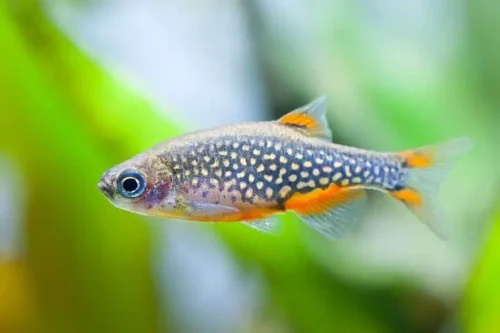
Danio margaritatus – Rasbora Galaxy for sale in Thailand: the king of aquascaping

Danio margaritatus is a species of freshwater fish commonly known as the Celestial Pearl Danio or Galaxy Rasbora. It is a small, brightly colored fish that is native to Myanmar and Thailand, and it is often kept as an ornamental fish in aquariums. The Celestial Pearl Danio is a peaceful and active fish that can be kept in a community aquarium with other small and non-aggressive species. It is a hardy and adaptable species that can thrive in a wide range of water conditions, making it a popular choice for both beginner and experienced aquarium hobbyists.

The behavior of Danio margaritatus, also known as the Celestial Pearl Danio or Galaxy Rasbora, is typical of most small, active freshwater fish species. They are a shoaling species and do best when kept in groups of 6 or more individuals. In the wild, they form tight schools for protection and to improve their chances of finding food. In captivity, keeping them in a group will encourage them to display their natural, active swimming behavior and will also reduce any shy or skittish behavior.

Celestial Pearl Danios are generally peaceful and do well in community aquariums with other small, non-aggressive species. However, they may become aggressive towards other fish that resemble their own species, so it’s best to keep only one type of danio in an aquarium. They are also known to jump, so it’s important to keep a tight-fitting lid on the aquarium.

In addition to their active swimming behavior, Celestial Pearl Danios are also known for their bright and vibrant coloration. They will often display their brightest colors when they are healthy and happy in their aquarium environment. Overall, the behavior of Danio margaritatus is an active and colorful addition to any freshwater aquarium.

Breeding Danio margaritatus, also known as the Celestial Pearl Danio or Galaxy Rasbora, is relatively easy and can be done in a home aquarium. To breed them successfully, you will need to create the right environment and conditions for them. Here are some steps you can follow:

  1. Condition the breeding stock: Before breeding, make sure the fish are in good health and well-fed. Offer a varied diet that includes live and frozen foods, such as brine shrimp, daphnia, and bloodworms. This will help to promote optimal health and encourage spawning.
  2. Create a breeding setup: Set up a separate breeding tank that is at least 20 gallons in size, with a substrate of fine sand or fine gravel. The water should be clean and well-aerated, with a temperature between 76-82°F.
  3. Introduce the breeding stock: Place the breeding pair or small group of fish into the breeding tank. They should acclimate quickly and start displaying courtship behavior, such as chasing and nipping at each other.
  4. Provide spawning sites: Provide plenty of hiding places and spawning sites in the breeding tank, such as clumps of fine-leaved plants, breeding cones, or artificial caves.
  5. Observe spawning behavior: As the breeding pair become more excited, they may lay their eggs on the spawning sites. The eggs will hatch in 24-48 hours, and the fry will become free-swimming in 3-5 days.
  6. Raise the fry: Once the fry are free-swimming, they can be fed small amounts of freshly hatched brine shrimp or other small live foods. It’s important to maintain clean water conditions and to perform frequent water changes to prevent the buildup of waste and to promote the growth and health of the fry.

With proper care and attention, Danio margaritatus can be successfully bred in a home aquarium. By following these steps, you can enjoy watching this active and colorful species as they spawn and raise their fry.


Do not hesitate to contact us for our price list

Danio margaritatus-Rasbora Galaxy
Categories
News

Ranchu High Grade for sale in Thailand – Import/Export Ranchu from Thailand

Import high quality ranchu from Thailand

Ranchu is a type of fancy goldfish that originated in Japan. It is known for its round body shape, hooded forehead, and double tail fins. Ranchu goldfish are popular among aquarium hobbyists and are prized for their attractive appearance and distinctive features. They are generally kept in indoor aquariums and need a good filtration system to maintain a healthy environment.

Ranchu breeding can be a challenging process, as these fish have specific requirements for optimal health and breeding success. Here are some key points to consider when breeding Ranchu goldfish:

  1. Water Quality: Ensure that the water in the breeding tank is clean, clear, and of good quality. Regular water changes and a proper filtration system are essential for maintaining a healthy environment for the fish.
  2. Tank Size: Ranchu goldfish require a large breeding tank with ample space for swimming and laying eggs.
  3. Diet: A nutritious diet is important for the overall health of Ranchu goldfish, and it is essential for breeding success. Feed a varied diet of high-quality pellets, fresh vegetables, and live or frozen foods.
  4. Conditioning: Condition the breeding fish by feeding them a high-protein diet for several weeks before breeding to encourage optimal health and fertility.
  5. Selection: Choose healthy, robust specimens of Ranchu goldfish for breeding. Fish with physical abnormalities or deformities should not be used for breeding.
  6. Timing: The breeding season for Ranchu goldfish typically begins in the spring and lasts through the summer. Breeding success can be improved by changing the water temperature and adjusting the lighting to mimic the natural changes in the environment.

Remember, breeding Ranchu goldfish is a complex process that requires knowledge, patience, and dedication. It is important to research and seek advice from experienced breeders before attempting to breed these fish.

There are several different strains of Ranchu goldfish, each with its own unique physical characteristics and traits. Some of the most common Ranchu strains include:

  1. Lionhead Ranchu: Known for their distinctive hooded forehead, Lionhead Ranchu are one of the most recognizable Ranchu strains. They have a round body shape and a double tail fin.
  2. Oranda Ranchu: Oranda Ranchu are similar to Lionhead Ranchu, but with a more pronounced hood. They also have a round body shape and a double tail fin.
  3. Ryukin Ranchu: Ryukin Ranchu are known for their high-backed body shape and distinctive dorsal fin. They have a round body shape and a double tail fin, and come in a variety of colors.
  4. Pearlscale Ranchu: Pearlscale Ranchu are named for their distinctive pearlescent scales. They have a round body shape and a double tail fin, and come in a variety of colors.
  5. Bubble Eye Ranchu: Bubble Eye Ranchu are known for their unique fluid-filled sacs under their eyes. They have a round body shape and a double tail fin.

Each of these Ranchu strains has specific care requirements, so it is important to research and understand the needs of each strain before purchasing.

Ranchu panda

The Ranchu Panda is a type of fancy goldfish that is a cross between a Ranchu and a Panda Telescope Eye goldfish. It has the round body shape and double tail fins of a Ranchu, combined with the unique black and white coloring of a Panda Telescope Eye.

Ranchu Pandas are prized by aquarium hobbyists for their distinctive appearance and active swimming behavior. However, like all fancy goldfish, they require specific care to maintain their health and well-being. This includes a large aquarium with adequate swimming space, a proper filtration system, and a nutritious diet.

It is important to research the specific care requirements for Ranchu Pandas and seek advice from experienced hobbyists to ensure that they are provided with the proper environment for optimal health and longevity.

Racnhu tricolor

Ranchu Tricolor is a type of fancy goldfish that is prized for its unique coloring. As the name suggests, it has three distinct colors on its body, typically black, white, and red. This combination of colors creates a striking and attractive appearance that sets it apart from other fancy goldfish.

Like all fancy goldfish, Ranchu Tricolor requires specific care to maintain its health and well-being. This includes a large aquarium with adequate swimming space, a proper filtration system, and a nutritious diet. It is also important to provide a stable environment and to avoid stress, which can have a negative impact on the fish’s health.

It is recommended to research the specific care requirements for Ranchu Tricolor and to seek advice from experienced hobbyists to ensure that they are provided with the proper environment for optimal health and longevity.

Ranchu buffalo
Ranchu Panda/Tricolor
Ranchu Fancy
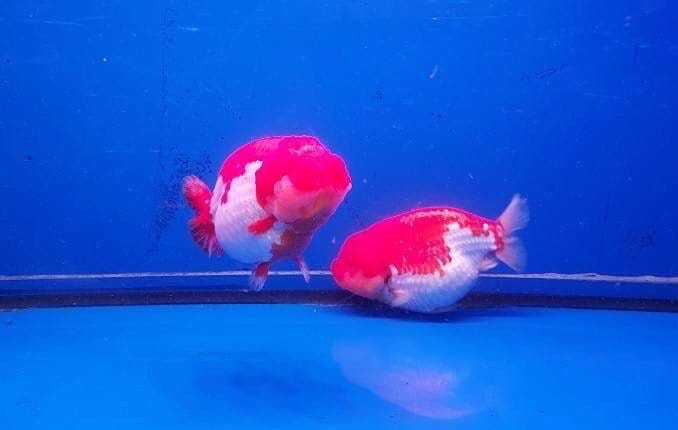
Ranchu Red and White
Ranchu Red&White
Red and White Ranchu
Ranchu Black
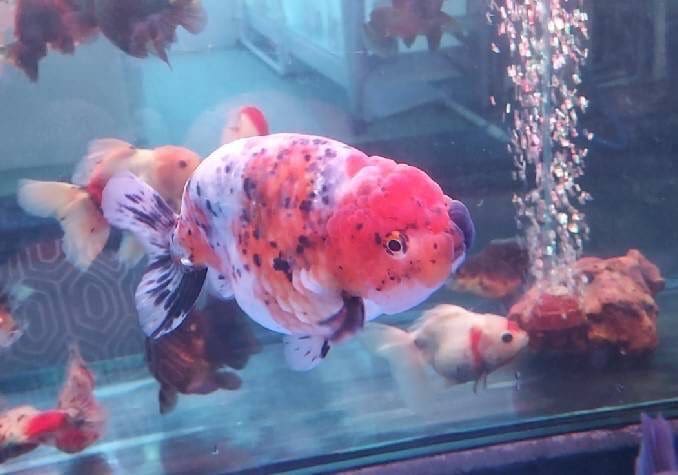
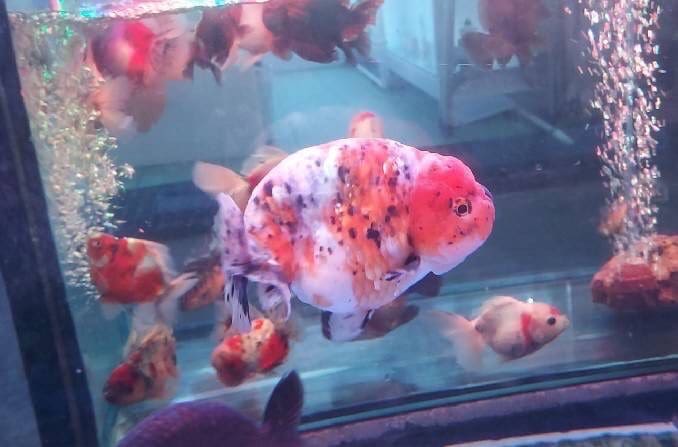
Ranchu Calico
Calico Ranchu