Categories
News

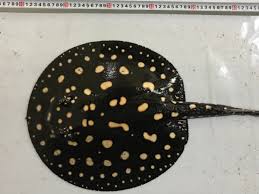
Potamotrygon leopoldi – Xingu River Ray – for sale in Thailand

Xingu River Ray – Black Diamond: freshwater stingray for sale in Thailand


Potamotrygon leopoldi, commonly known as the black diamond stingray, is a species of freshwater stingray native to the Xingu River in Brazil. It is named after King Leopold III of Belgium, who was a patron of the ichthyological expedition that discovered the species. These stingrays are known for their striking appearance, characterized by a dark coloration with white spots or lines, resembling the pattern of a leopard. They are highly prized in the aquarium trade for their unique appearance but are also threatened due to habitat destruction and overfishing. Conservation efforts are underway to protect their natural habitat and regulate their trade.

Keeping Potamotrygon leopoldi, or black diamond stingrays, in captivity requires careful consideration and attention to their specific needs. Here are some important factors to keep in mind:

  1. Tank Size: Stingrays require large tanks due to their size and swimming behavior. A tank size of at least 180 gallons (680 liters) is recommended for a single adult stingray, with additional space needed for each additional ray.
  2. Substrate: A soft, sandy substrate is ideal to prevent injury to the stingray’s delicate underside. Avoid using sharp or abrasive substrates that could damage their skin.
  3. Filtration: Stingrays are sensitive to poor water quality, so a high-quality filtration system is essential to maintain clean water. Canister filters or sump systems are commonly used to provide adequate filtration.
  4. Water Parameters: Black diamond stingrays prefer warm, soft, and slightly acidic water conditions similar to their natural habitat. Aim for a temperature range of 78-82°F (25-28°C) and a pH level between 6.5 and 7.5.
  5. Hiding Places: Provide plenty of hiding places such as caves, PVC pipes, or large rocks for the stingrays to retreat to when they feel stressed or threatened.
  6. Feeding: Stingrays are carnivorous and primarily feed on meaty foods such as shrimp, fish, squid, and other aquatic invertebrates. Offer a varied diet to ensure nutritional balance, and consider using feeding tongs to prevent accidental injury from their venomous barbs.
  7. Tank Mates: Carefully consider tank mates for your stingrays, as they may prey on smaller fish or be preyed upon themselves if housed with aggressive or predatory species. Peaceful, large-bodied fish that occupy different areas of the tank can make suitable tank mates.
  8. Handling: Avoid handling your stingrays unless absolutely necessary, as they can become stressed and may use their venomous barbs in self-defense. If handling is required, use a soft net and handle with extreme care to avoid injury to both yourself and the stingray.
  9. Maintenance: Regular maintenance, including water changes, substrate vacuuming, and equipment checks, is essential to ensure a healthy environment for your stingrays.
  10. Research and Consultation: Before acquiring black diamond stingrays, thoroughly research their care requirements and consider consulting with experienced aquarists or professionals to ensure you can provide the necessary care for these fascinating creatures.


Feeding Potamotrygon leopoldi, or black diamond stingrays, requires a varied diet to ensure their nutritional needs are met. Here are some guidelines for feeding them in captivity:

  1. Carnivorous Diet: Black diamond stingrays are carnivorous and primarily feed on meaty foods. Offer a variety of fresh or frozen foods to provide a balanced diet.
  2. Prey Items: Common prey items for stingrays include shrimp, fish (such as tilapia, smelt, or mackerel), squid, clams, and other aquatic invertebrates. You can also provide occasional treats like earthworms or crickets.
  3. Feeding Frequency: Feed adult stingrays 2-3 times per week, adjusting the amount based on their size and activity level. Juvenile stingrays may require more frequent feedings.
  4. Portion Size: Offer food portions that the stingrays can consume within a few minutes to prevent overfeeding and maintain water quality. Remove any uneaten food to prevent it from fouling the water.
  5. Feeding Method: Use feeding tongs or a long-handled tool to safely deliver food to the stingrays without coming into contact with their venomous barbs. This helps prevent accidental injury to both the stingrays and the keeper.
  6. Supplementation: Consider supplementing their diet with vitamins and minerals to ensure they receive all the essential nutrients they need for optimal health. Commercially available supplements designed for rays can be added to their food.
  7. Observe Behavior: Monitor the stingrays’ behavior during feeding to ensure they are actively consuming food and exhibiting normal feeding behavior. Any changes in appetite or behavior may indicate health issues that require attention.
  8. Water Quality: Maintain excellent water quality to support the health and digestion of the stingrays. Regular water changes, proper filtration, and monitoring of water parameters are essential.
  9. Variety: Offer a variety of foods to prevent dietary deficiencies and to encourage natural feeding behaviors. Experiment with different prey items to see what your stingrays prefer.
  10. Consultation: If you’re unsure about the dietary needs of your black diamond stingrays or if you encounter any feeding-related issues, consider consulting with experienced aquarists or professionals for guidance and advice.
Maipenrai Aquarium – Tropical fish exporter from Thailand

Categories
News

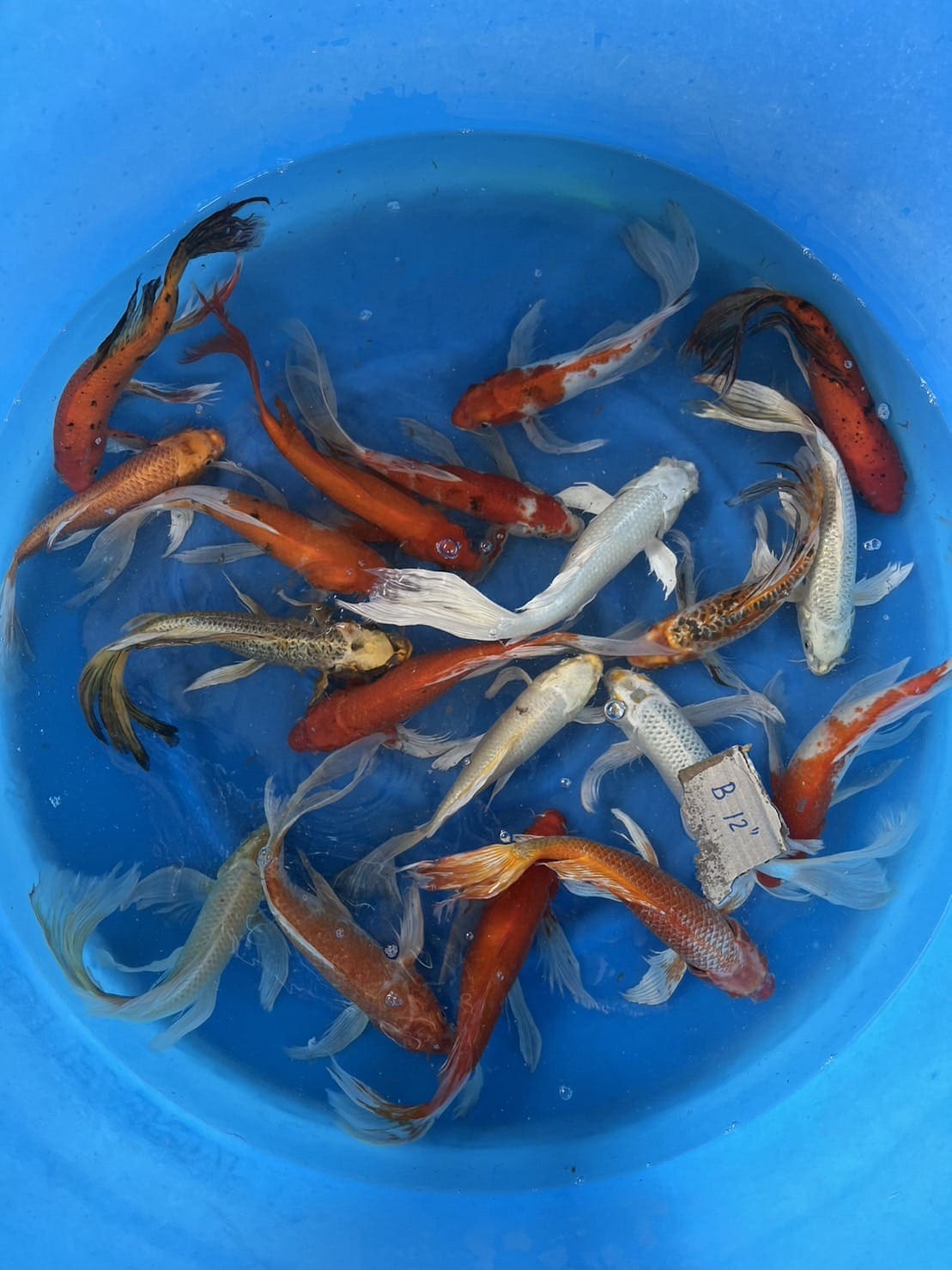
Koi Carp for sell in Thailand

Purchase Koi carp normal and A grade from Thailand

Maipenrai Aquarium tropical fish exporter from Thailand

Koi carp, often simply called “koi,” are ornamental varieties of domesticated common carp that are kept for decorative purposes in outdoor ponds or water gardens. They are popular for their vibrant colors, patterns, and graceful swimming movements. Originally bred in Japan, koi carp come in a wide range of colors, including white, black, red, yellow, blue, and cream, and can feature various patterns such as Kohaku (white body with red markings), Taisho Sanshoku (white body with red and black markings), and Showa Sanshoku (black body with red and white markings).

In addition to their aesthetic appeal, koi are also valued for their longevity, with some individuals living for several decades under the right conditions. Proper care for koi includes maintaining clean water, providing adequate filtration, and ensuring proper nutrition. Koi are also known to be quite social and can even be trained to eat from their owners’ hands.

Keeping koi carp can be a rewarding hobby, but it requires careful planning and maintenance to ensure the health and well-being of the fish. Here are some key considerations for keeping koi carp:

  1. Pond Setup: Koi need a spacious and well-designed pond to thrive. The pond should be large enough to accommodate the number of fish you plan to keep and should have a depth of at least three feet to provide sufficient space for swimming and protection from predators and temperature fluctuations.
  2. Filtration: Proper filtration is essential for maintaining water quality in the koi pond. A combination of mechanical, biological, and UV filtration systems can help remove debris, harmful ammonia, and other waste products from the water.
  3. Aeration: Adequate aeration is necessary to ensure that the water in the pond is properly oxygenated, which is vital for the health of the fish. Aeration can be achieved through the use of air pumps, waterfall features, or fountain jets.
  4. Water Quality: Regular testing of water parameters such as pH, ammonia, nitrite, and nitrate levels is important to monitor water quality and make any necessary adjustments. Keeping the water clean and balanced helps prevent diseases and promotes the overall health of the koi.
  5. Feeding: Koi should be fed a balanced diet that meets their nutritional needs. High-quality koi pellets are available commercially and should be supplemented with occasional treats such as fruits, vegetables, or live foods. It’s important not to overfeed, as this can lead to poor water quality and health problems for the fish.
  6. Shelter and Shade: Providing shelter and shade in the pond, such as plants, rocks, or artificial structures, helps koi feel secure and protected from predators and harsh sunlight.
  7. Health Monitoring: Regularly inspecting the koi for signs of illness or injury is important for early detection and treatment of any health issues. Quarantining new fish before introducing them to the main pond can help prevent the spread of diseases.
  8. Winter Care: In colder climates, special attention should be paid to winterizing the koi pond to prevent freezing and ensure the survival of the fish. This may involve installing a pond heater, using aeration to keep a hole open in the ice, or moving the koi to an indoor tank for the winter.

By following these guidelines and staying attentive to the needs of your koi carp, you can create a healthy and beautiful environment for these fascinating fish to thrive in.

Feeding koi carp properly is essential for their health and vitality. Here are some guidelines for feeding koi:

  1. Quality Food: Use high-quality koi pellets ( www.feed4fish.com) as the staple diet for your fish. These pellets are specifically formulated to provide the necessary nutrients for koi carp. Look for pellets with a balanced mix of proteins, fats, carbohydrates, vitamins, and minerals.
  2. Feeding Schedule: Feed your koi carp 2-3 times a day, but be mindful not to overfeed. Overfeeding can lead to poor water quality and health issues for the fish. Only feed them an amount they can consume within a few minutes.
  3. Seasonal Adjustments: Adjust the feeding amount and frequency based on the temperature and season. Koi are cold-blooded animals, so their metabolism slows down in cooler temperatures. Feed them less frequently and in smaller amounts during colder months.
  4. Variety: While koi pellets should make up the bulk of their diet, you can also supplement their diet with occasional treats such as fruits, vegetables, or live foods like earthworms or shrimp. This variety can provide additional nutrients and enrichment for the fish.
  5. Avoid Overfeeding: Uneaten food can quickly degrade water quality, leading to algae blooms and other problems. If you notice uneaten food after feeding, reduce the amount you’re feeding in the future.
  6. Monitor Growth: Adjust the amount of food you’re feeding based on the growth and size of your koi carp. Younger fish and those in the growth phase may require more food to support their development, while older or smaller fish may need less.
  7. Feed in Moderation: While it’s tempting to feed koi carp by hand, avoid excessive hand-feeding as it can lead to overfeeding and potentially aggressive behavior among the fish competing for food.
  8. Water Temperature: Consider the water temperature when feeding. Koi are more active and have a higher metabolism in warmer water, so you may need to feed them more often during the summer months.

By following these feeding guidelines and maintaining a balanced diet for your koi carp, you can help ensure their overall health and well-being. Regular monitoring of their feeding habits and adjustment of feeding practices as needed will contribute to the success of your koi pond.