Categories
News

Microdevario kubotai – Rasbora kubotai for sale in Thailand

Rasbora kubotai for export

Maipenrai Aquarium Tropical Fish Exporter
Rasbora kubotai

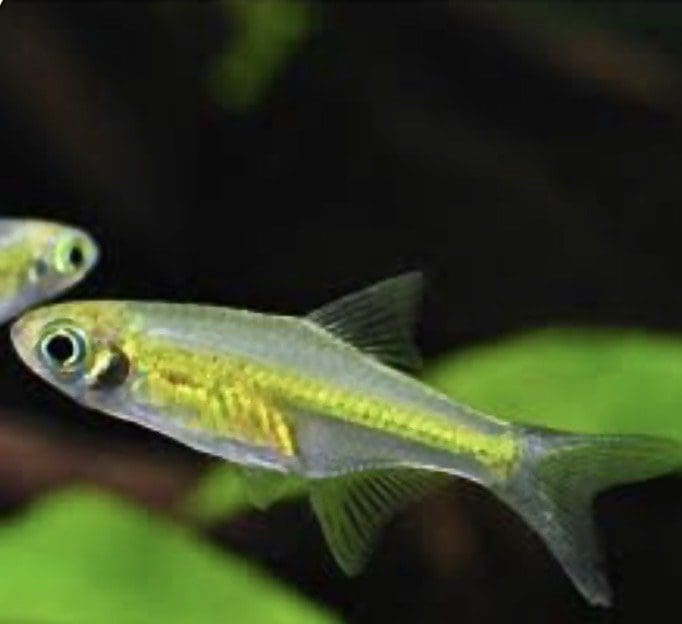
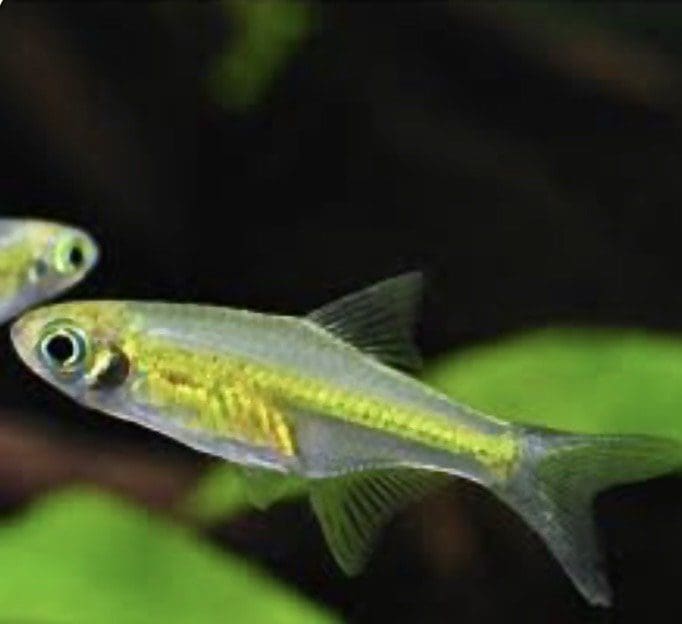
Rasbora kubotai, also known as Kubotai rasbora or neon yellow rasbora, is a small freshwater fish species native to the Ataran River basin in Myanmar. They are popular among aquarium hobbyists due to their striking appearance, with a bright yellow body and dark markings on their fins.

In the wild, they are typically found in slow-moving streams and tributaries, and prefer water with a pH range of 6.0 to 7.5 and a temperature range of 72 to 79°F (22 to 26°C). They are peaceful and social fish that should be kept in groups of at least six individuals.

Kubotai rasboras are omnivores and will readily accept a variety of foods, including flakes, pellets, frozen and live foods. They are relatively easy to care for and can thrive in a well-maintained aquarium with suitable water conditions and regular feeding.

To take care of Rasbora kubotai, you should ensure that their aquarium provides suitable water conditions and appropriate food. Here are some tips to help you take care of them:

  1. Aquarium size: Kubotai rasboras are small fish that only grow up to about 2 inches (5 cm) in length, but they are active swimmers that require swimming space. A 20-gallon (75-liter) aquarium is sufficient to keep a small group of Rasbora kubotai.
  2. Water parameters: These fish prefer soft to moderately hard water with a pH range of 6.0 to 7.5 and a temperature range of 72 to 79°F (22 to 26°C). Regular water changes and water testing are important to maintain water quality.
  3. Filtration: A good filtration system is essential to keep the aquarium water clean and healthy. A filter with a gentle water flow is ideal as Kubotai rasboras prefer slow-moving water.
  4. Lighting: These fish prefer dim lighting, so it’s best to provide them with low to moderate lighting in the aquarium.
  5. Tank mates: Kubotai rasboras are peaceful and social fish that should be kept in groups of at least six individuals. They are compatible with other peaceful fish species that share similar water parameters.
  6. Diet: Kubotai rasboras are omnivores and will accept a variety of foods, including flakes, pellets, frozen, and live foods. It’s best to offer them a varied diet to ensure they receive all the necessary nutrients.
  7. Behavior: These fish are active swimmers and prefer a heavily planted aquarium with plenty of hiding places. Providing a suitable environment can help reduce stress and promote natural behavior.

By following these care tips, you can help ensure that your Rasbora kubotai thrive in your aquarium.

R. kubotai

Rasbora kubotai is an active and social fish species that displays interesting behaviors. Here are some of their typical behaviors:

  1. Shoaling: Kubotai rasboras are social fish that prefer to be kept in groups of at least six individuals. They form tight shoals and swim together in the middle and upper levels of the aquarium.
  2. Active swimming: These fish are active swimmers and love to explore their surroundings. They are always on the move, darting and swimming around the aquarium, especially when they are feeding.
  3. Hiding behavior: Kubotai rasboras are shy fish and need plenty of hiding places to feel secure. They prefer a heavily planted aquarium with lots of vegetation, rocks, and driftwood.
  4. Jumping: Kubotai rasboras have been known to jump out of the aquarium, so it’s important to ensure that the tank has a secure lid to prevent any accidents.
  5. Mating behavior: During breeding, males will chase and display to females by flaring their fins and darting around them. Females will select a male to mate with, and the pair will engage in a spawning ritual.

Observing these behaviors can be fascinating for aquarium hobbyists and can provide insight into the natural behavior of these fish in the wild.

Breeding Rasbora kubotai in the aquarium is possible with the right conditions. Here are some tips for breeding them:

  1. Separating sexes: To breed Rasbora kubotai, you need to have a male and female pair. It can be difficult to distinguish between males and females, but during breeding season, males will display more intense colors and have more elongated dorsal and anal fins.
  2. Breeding tank: A separate breeding tank is recommended for breeding. The tank should be heavily planted with fine-leaved plants, such as Java moss or spawning mops, to provide hiding places for the eggs.
  3. Conditioning: You need to condition the breeding pair with a varied and high-quality diet. Live foods, such as brine shrimp, daphnia, and mosquito larvae, can help stimulate breeding behavior.
  4. Spawning: Once the breeding pair is ready, the male will chase the female around the aquarium, displaying his fins and nudging her abdomen. When the female is ready, she will release her eggs, which the male will fertilize. The eggs will then attach to the fine-leaved plants or spawning mops.
  5. Rearing fry: After spawning, remove the adult fish from the breeding tank to prevent them from eating the eggs and fry. The eggs will hatch in about 24 to 36 hours, and the fry will become free-swimming after about four days. Feed them with infusoria or liquid fry food for the first few days and gradually transition to crushed flakes or baby brine shrimp.

Breeding Rasbora kubotai can be challenging, but with the right conditions and care, it is possible to successfully breed and rear their fry.

Categories
News

How To Place Order For Tropical Fish From Thailand – Maipenrai Aquarium Tropical Fish Exporter

The best and easy way to order tropical and cold water fish

Very often, even customers with a lot of experience in this sector, when they are about to import tropical fish for the first time, do not know how to proceed in the best and easiest way.

Maipenrai Aquarium Tropical Fish Exporter, in addition to offering healthy and quality fish, always offers all the necessary assistance.

In any case, below we summarize the basic concepts and steps to best guide customers towards this simple process.

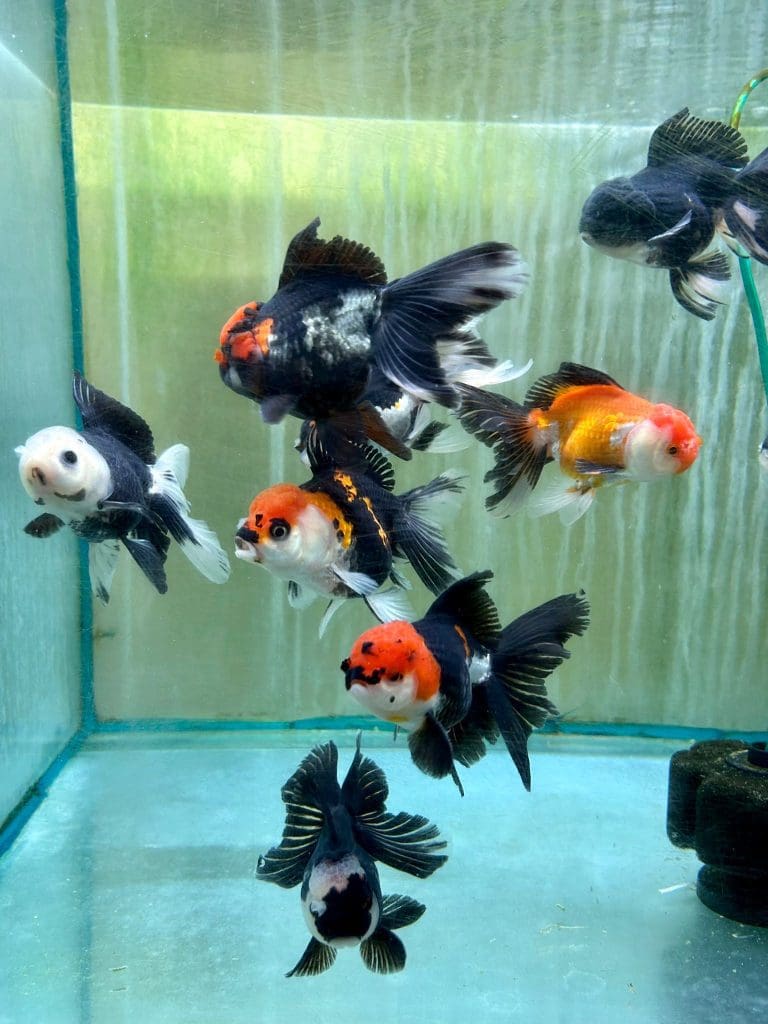
Oranda Packing Process

1) Check that you have all the necessary requirements to import tropical fish from Thailand (licenses, permits, authorizations, etc.)

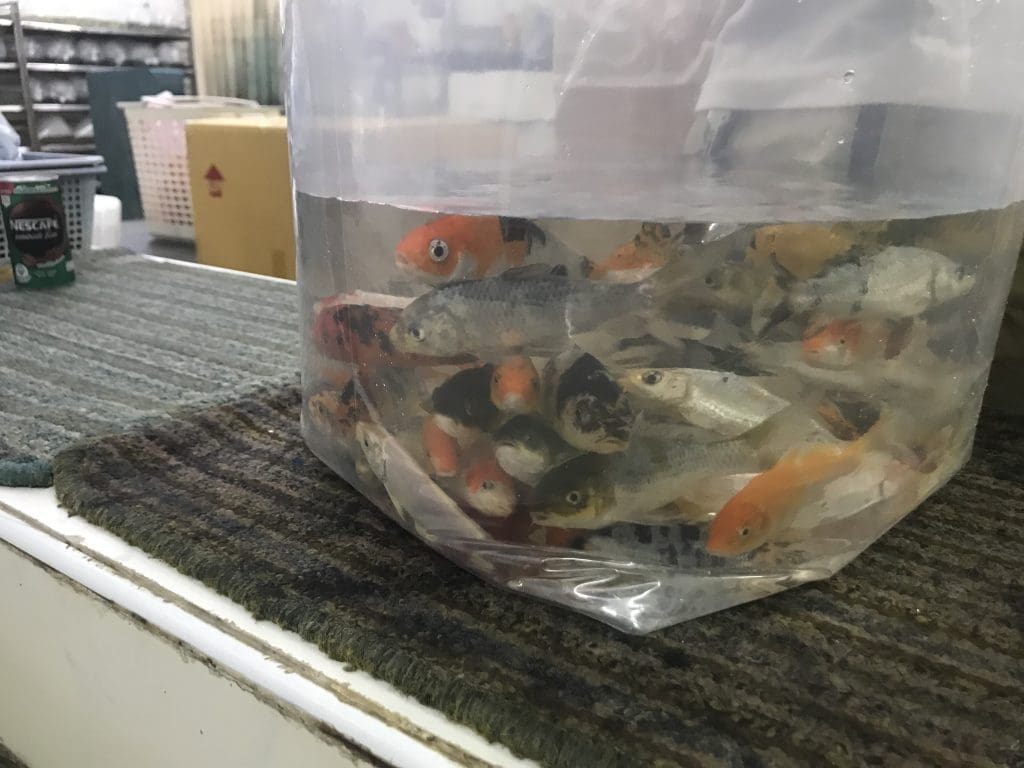
2) Each airline has a so-called pivot, i.e. a minimum quantity that can be accepted for carriage: normally this quantity is never less than 100 kilos (5 boxes), but, in some periods of the year, it can be even higher.

Independently verifying the achievement of this minimum quantity is very simple: each species present in our list is divided into minimum salable units (1/8, 1/4, 1/2, 3/4, 1) and it is sufficient to add these units to reach the amount of fish needed to fill a box

Foam boxes for tropical fish shipment/export

3) Verify that you have adequate structures and skills to receive the fish in the best possible way after importation (the journey, as is known, is a very high stress factor for fish and it is necessary to prepare all the precautions for it to get better )

4) Proceed with sending the order: at this point we will reply quickly with a proforma invoice including shipping costs and all ancillary costs (packaging, airport transport, cost of the waybill (AWB) etc.

5) Interact with a customs clearance agent at least one week to get the assistance needed to make sure everything is in order by the time of the final fish receiving process

6) After completing the customs procedures, inform us of the exact collection time and check the packages (in case there is any damage, we advise you to inform us promptly).

Prepacking tanks for Oranda

7) Once it reaches your company, we advise you to start the adaptation process as soon as possible, starting with those species and varieties that can be more sensitive and delicate during transport (large size Oranda, Tigerfish, Arowana etc ) carefully checking, in addition to the water values, also the temperature of the final tank.

8) In the event of a fatality on arrival (DOA) – normally well below 5% – we ask our customers to take photos or videos as detailed as possible if possible in order to be able to proceed with the complaint procedure. Thank you to which they will be able to immediately receive a credit referring to the losses of fish suffered

Koi Carp ready to be shipped
Categories
News

Brackish water – Import/Export brackish water fish from Thailand

Brackish water fish: Maipenrai Aquarium Tropical Fish Exporter

Brackish water is a type of aquatic environment that has a salinity level that is higher than freshwater but lower than seawater. It is typically found in estuaries, mangrove swamps, and other coastal areas where freshwater and saltwater mix.

The salinity level of brackish water can vary widely, ranging from about 0.5 to 30 parts per thousand (ppt). This can have a significant impact on the types of plants and animals that can survive in this environment.

Some fish and invertebrates are adapted to live in brackish water, including certain species of mollies, guppies, and some types of shrimp. However, not all fish and invertebrates can tolerate the varying salinity levels found in brackish water.

If you are interested in keeping fish or invertebrates in a brackish water aquarium, it’s important to research the specific needs of the species you are interested in and ensure that you are providing the appropriate water conditions. This may involve carefully adjusting the salinity level of the water and providing the right type of filtration and lighting.

Overall, brackish water can provide a unique and interesting environment for fish and invertebrates, but it requires careful attention to water chemistry and the specific needs of the organisms you are keeping.

Scat fish

A brackish environment is a transitional zone between freshwater and saltwater, where the salinity level of the water is higher than freshwater but lower than seawater. This type of environment is typically found in coastal areas such as estuaries, mangrove swamps, and lagoons where freshwater from rivers and streams mixes with seawater from the ocean.

The salinity levels in a brackish environment can vary depending on factors such as tides, rainfall, and evaporation. The fluctuating salinity levels can create a challenging and dynamic environment for aquatic life, and only certain species have evolved to thrive in this unique environment.

In a brackish environment, you may find a variety of fish species such as guppies, mollies, archerfish, and some types of gobies. Additionally, you may find invertebrates such as shrimp, crabs, and snails. However, not all fish and invertebrates can tolerate the varying salinity levels found in brackish water.

Maintaining a healthy and stable brackish environment can be a challenge and requires careful attention to water chemistry, filtration, and lighting. It’s important to research the specific needs of the species you plan to keep in your brackish environment and ensure that you are providing the appropriate conditions for their survival.

Overall, a brackish environment can provide a unique and interesting habitat for aquatic life, but it requires careful attention to the specific needs of the organisms you are keeping.

Some commomn fish can be found in brackish water are:

Mudskippers are a type of fish that are well adapted to living in intertidal zones, which are areas of shorelines that are exposed to air during low tide and submerged during high tide. They are found in brackish and freshwater habitats in tropical and subtropical regions of the world.

Mudskippers are known for their unique ability to breathe air through their skin and the lining of their mouth, throat, and pharynx. This adaptation allows them to survive in oxygen-poor mudflats and intertidal zones. Mudskippers also have modified pectoral fins that can be used to move on land and climb vertical surfaces.

Mudskippers are carnivorous and feed on a variety of small invertebrates, such as crustaceans, insects, and mollusks. In captivity, they can be fed a variety of frozen and live foods, including brine shrimp, bloodworms, and small pieces of fish.

Mudskippers are a fascinating and unique species to keep in a specialized aquarium. However, they require specific water conditions, such as brackish water with a specific gravity between 1.005 and 1.020, and a well-aerated substrate. It’s important to research the specific needs of mudskippers before keeping them in captivity.

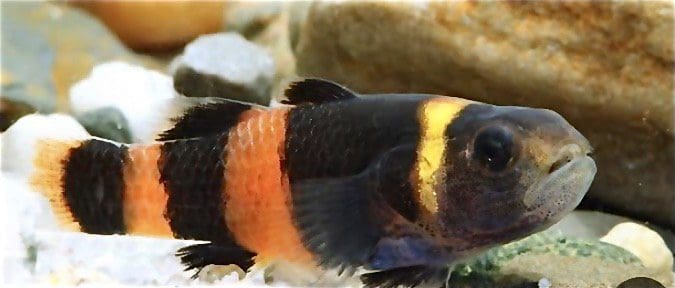
Brachigobius doriae, also known as the Bumblebee Goby, is a small, peaceful fish that is native to brackish water environments in Southeast Asia. They are known for their striking black and yellow striped pattern, which resembles the markings of a bumblebee.

Bumblebee gobies are bottom-dwelling fish that are well suited for small aquariums. They typically reach a maximum size of around 1.5 inches, making them ideal for nano aquariums. Bumblebee gobies are also peaceful and can be kept with other small, peaceful fish that can tolerate brackish water conditions.

Bumblebee gobies are omnivores and can be fed a variety of frozen and live foods, such as bloodworms, brine shrimp, and small pieces of fish. It’s important to provide a varied diet to ensure that they receive all of the necessary nutrients.

When keeping Bumblebee gobies in captivity, it’s important to provide a suitable environment that mimics their natural habitat. This includes brackish water with a specific gravity between 1.005 and 1.015, and a well-aerated substrate with plenty of hiding places.

Overall, Bumblebee gobies are a unique and interesting species that can make great additions to a specialized brackish water aquarium.

Dermogenys pusillus, also known as the Halfbeak, is a small fish that is native to brackish and freshwater habitats in Southeast Asia, Japan, and Australia. Halfbeaks are known for their distinctive elongated lower jaw, which gives them a unique and interesting appearance.

Halfbeaks are typically peaceful and can be kept with other small, peaceful fish that can tolerate brackish water conditions. They are active swimmers and should be kept in schools of at least six individuals. Halfbeaks are also jumpers, so it’s important to provide a tight-fitting lid on their aquarium to prevent them from jumping out.

Halfbeaks are carnivores and feed on a variety of small insects and crustaceans in the wild. In captivity, they can be fed a variety of frozen and live foods, such as brine shrimp, bloodworms, and small pieces of fish.

When keeping Halfbeaks in captivity, it’s important to provide a suitable environment that mimics their natural habitat. This includes brackish water with a specific gravity between 1.005 and 1.015, and a well-aerated substrate with plenty of swimming space. Halfbeaks also require a well-planted aquarium with plenty of hiding places.

Overall, Halfbeaks are a unique and interesting species that can make great additions to a specialized brackish water aquarium. However, they require specific care and attention to thrive in captivity.

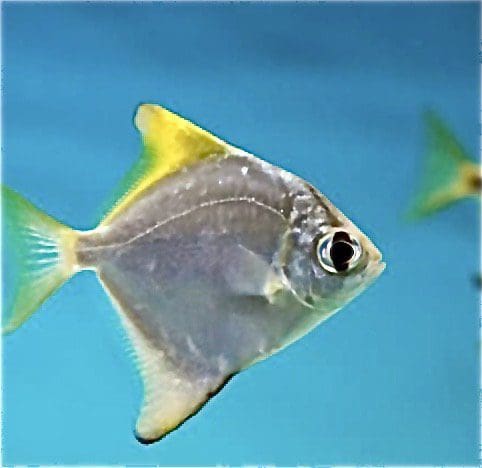
Monodactylus sebae, also known as the African Moony, is a species of fish that is native to coastal waters and estuaries in the Western Indian Ocean and the Eastern Atlantic Ocean. They are a popular species for brackish water aquariums and can be found in the aquarium trade.

African Moonies are active and social fish that do best when kept in groups of at least six individuals. They are generally peaceful but can be territorial, especially during breeding. They are also known to jump, so it’s important to provide a tight-fitting lid on their aquarium.

African Moonies are omnivores and can be fed a variety of frozen and live foods, such as brine shrimp, bloodworms, and small pieces of fish. They will also accept commercial flake and pellet foods.

When keeping African Moonies in captivity, it’s important to provide a suitable environment that mimics their natural habitat. This includes brackish water with a specific gravity between 1.005 and 1.010, and a well-aerated substrate with plenty of swimming space. They also require a well-planted aquarium with plenty of hiding places.

Overall, African Moonies are a popular species for brackish water aquariums due to their active and social behavior and their interesting appearance. They require specific care and attention to thrive in captivity, but can make great additions to a specialized aquarium.

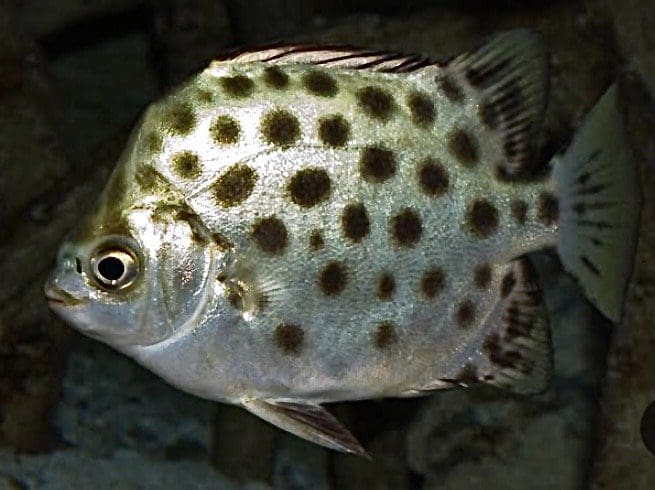
Scatophagus argus, also known as the Spotted Scat, is a species of fish that is native to brackish and freshwater habitats in Southeast Asia and Oceania. They are a popular species for brackish water aquariums and can be found in the aquarium trade.

Spotted Scats are active and social fish that do best when kept in groups of at least six individuals. They are generally peaceful but can become aggressive towards smaller fish or fish with similar body shapes. They are also known to jump, so it’s important to provide a tight-fitting lid on their aquarium.

Spotted Scats are omnivores and can be fed a variety of frozen and live foods, such as brine shrimp, bloodworms, and small pieces of fish. They will also accept commercial flake and pellet foods.

When keeping Spotted Scats in captivity, it’s important to provide a suitable environment that mimics their natural habitat. This includes brackish water with a specific gravity between 1.005 and 1.015, and a well-aerated substrate with plenty of swimming space. They also require a well-planted aquarium with plenty of hiding places.

Overall, Spotted Scats are a popular species for brackish water aquariums due to their active and social behavior and their interesting appearance. They require specific care and attention to thrive in captivity, but can make great additions to a specialized aquarium.

Bumble bee goby
Monodactylus argenteus
Categories
News

Danio erythromicron Emerald dwarf Rasbora

Emerald dwarf rabora for sale – Maipenrai Aquarium Tropical fish Exporter

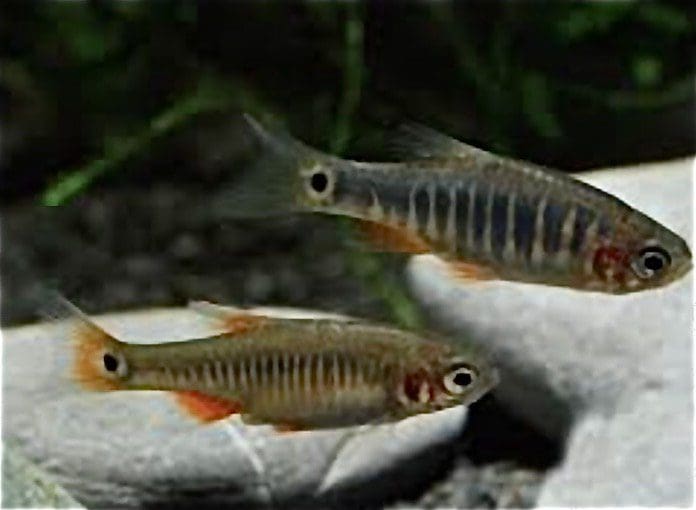
Danio erythromicron is a species of freshwater fish belonging to the family Cyprinidae, commonly known as the emerald dwarf rasbora or dwarf emerald rasbora. It is native to the Chindwin and Ayeyarwaddy river systems in Myanmar. The species was first described in 2006 by Kullander and Fang.

The emerald dwarf rasbora has a bright green body with a red stripe running along the midline of its body. It is a small fish, growing to a maximum length of about 2.5 centimeters (1 inch). It is a peaceful and schooling fish, and is often kept in community aquariums with other small, peaceful fish. In the wild, it inhabits slow-moving streams and shallow pools.

The emerald dwarf rasbora is popular in the aquarium trade due to its small size, striking coloration, and peaceful temperament. It is generally considered a hardy species, but requires a well-maintained aquarium with appropriate water parameters and a balanced diet.

Breeding Danio erythromicron can be challenging, but it is possible with proper care and attention. Here are some tips to help encourage breeding:

  1. Provide a suitable environment: The breeding aquarium should be well-planted with plenty of hiding places, and the water should be soft and slightly acidic (pH 6.0-7.0). The temperature should be around 25-28°C (77-82°F).
  2. Condition the fish: Feed the adult fish a varied diet of high-quality foods such as live or frozen brine shrimp, daphnia, or bloodworms. This will help condition the fish for breeding.
  3. Use a breeding pair or group: Danio erythromicron is a schooling fish, so it is best to keep them in groups of at least 6 individuals. Choose a pair or small group of fish that are healthy and showing signs of maturity.
  4. Trigger breeding behavior: Increase the frequency and duration of lighting to 14-16 hours per day, and lower the water level by 10-15%. This will simulate the rainy season in their natural habitat, which triggers breeding behavior.
  5. Monitor for breeding behavior: Look for signs of breeding behavior such as chasing, displaying, and courtship dances. Females will become plumper and males will develop more intense coloration.
  6. Separate the breeding pair/group: Once you observe breeding behavior, it is best to separate the pair or group into a separate breeding tank to prevent other fish from eating the eggs.
  7. Provide suitable spawning substrate: The fish will typically spawn in the early morning on a suitable substrate such as Java moss, fine-leaved plants, or spawning mops. The eggs will hatch in 24-48 hours.
  8. Provide fry food: Once the fry have hatched, feed them small amounts of infusoria, baby brine shrimp, or commercial fry food several times a day.

With proper care and attention, Danio erythromicron can be bred successfully in the aquarium.

Danio erythromicron is an omnivorous species and will readily accept a variety of foods in the aquarium. Here are some tips on feeding them:

  1. High-quality dry food: A good quality dry food such as flakes or pellets should make up the majority of their diet. Choose a high-quality brand that contains a good balance of protein, fat, and fiber.
  2. Frozen or live food: Offer frozen or live foods such as brine shrimp, daphnia, or bloodworms once or twice a week to provide some variety in their diet. These foods are also a good source of protein.
  3. Vegetables: Danio erythromicron will also benefit from some vegetable matter in their diet. Offer blanched or boiled vegetables such as spinach, peas, or zucchini once or twice a week.
  4. Feed small amounts: Only feed what the fish can consume in a few minutes, as overfeeding can lead to health problems and pollution in the aquarium.
  5. Feed at regular intervals: Feed the fish at least twice a day, ideally in the morning and evening, to keep their metabolism active and healthy.
  6. Supplement with vitamins: You can also supplement their diet with a vitamin-rich food such as spirulina flakes or pellets, which can help to boost their immune system and overall health.

By providing a varied and balanced diet, Danio erythromicron can thrive and display their beautiful colors in the aquarium.