Categories
News

Oranda selected for sale in Thailand

Update special selected Oranda – September 2023 availabilty –

Maipenrai Aquarium – Tropical fish exporter from Thailand

In this article you will find videos of our selections not present on the standard price list.
This month we offer our customers large Oranda specimens that are perfectly quarantined and ready to be shipped. The unusual colors and the high quality of these Oranda selections are an opportunity not to be missed. Ask for more details: we will be happy to answer you with details regarding dimensions and prices.
Don’t miss the gallery below with our Oranda selections available for the month of September

Black Oranda

The “Oranda” is a variety of fancy goldfish known for its distinctive appearance. It is characterized by a prominent, bulbous growth on the top of its head, which is called a “wen.” The wen is a fleshy outgrowth that covers the head and gives the fish a unique and appealing look. Orandas are popular among aquarium enthusiasts for their elegant and eye-catching appearance.

When you mention “Oranda black,” it likely refers to a specific coloration or variant of the Oranda goldfish. Orandas can come in various colors, including red, orange, white, black, and combinations of these colors. A “black Oranda” would have a predominantly black coloration, possibly with contrasting areas of white or other colors.

Oanda Red/Black and Oranda Fancy

An Oranda goldfish with red and black coloring is a striking and popular variant within the Oranda breed. This type of Oranda typically exhibits a combination of red and black scales, often with a white underbelly. The red coloration can range from a deep, vibrant red to a more subdued or orange-toned hue. The black coloration may be present in various patterns, such as splotches, patches, or even a more uniform distribution across the body.

The red and black coloration creates a visually appealing contrast, making these fish highly sought after by aquarium enthusiasts. Keep in mind that the specific appearance of an Oranda with red and black coloring can vary depending on factors like genetics, diet, and water conditions.

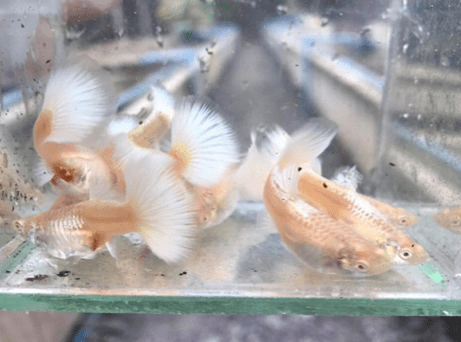
Oranda red/white big size

An Oranda goldfish with red and white coloring is a stunning and sought-after variant within the Oranda breed. This type of Oranda typically displays a combination of bright red and white scales. The red coloration can vary from a deep, vibrant hue to a more subdued or orange-toned shade. The white coloration often appears on the belly area, though it can also be present on other parts of the body.

The red and white coloration creates a visually striking contrast, making these fish highly prized in the aquarium hobby. The specific appearance of an Oranda with red and white coloring can be influenced by factors such as genetics, diet, and water conditions.

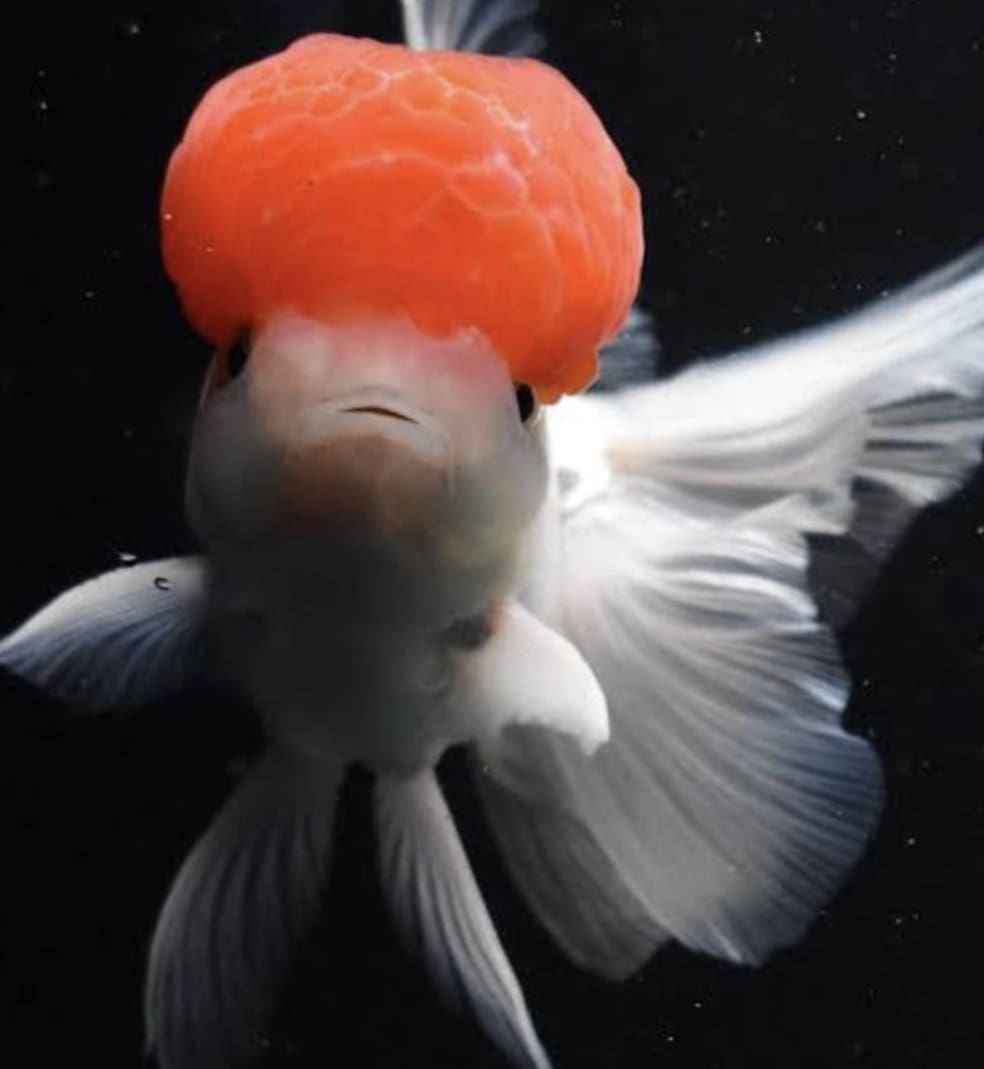
Oranda Red Head / Cherry Head


The term “Oranda cherry head” refers to a specific variant of the Oranda goldfish. In this type, the fish has a distinctive reddish or cherry-colored growth on its head, known as a “wen.” The wen is a fleshy outgrowth that covers the top of the fish’s head. This particular feature gives the Oranda cherry head a unique and attractive appearance.

The rest of the body of an Oranda cherry head can display a variety of colors, such as red, white, black, or a combination of these. The red coloration on the head typically contrasts with the color of the body, creating an eye-catching effect.

Categories
News

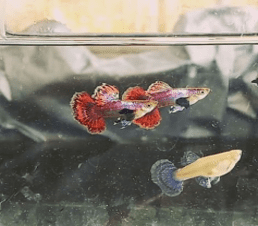
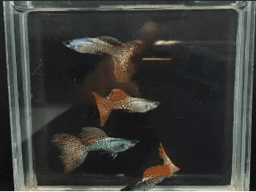
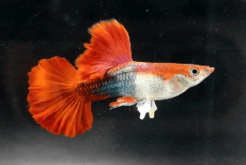
New availability of selected guppies for sale in Thailand

Maipenrai Aquarium – New availability of selected guppies – Aquarium Tropical fish Exporter

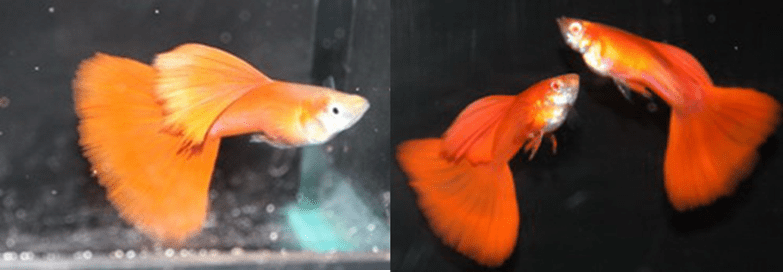
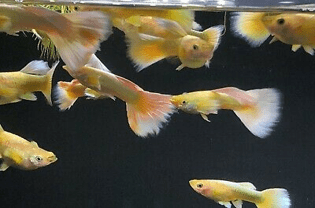
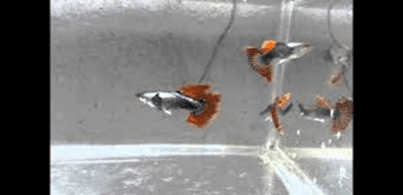
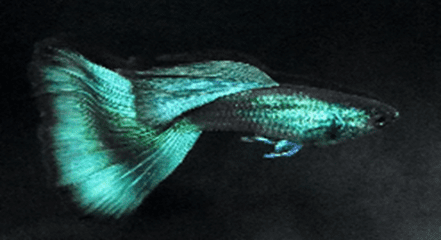
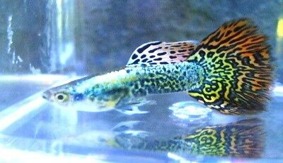
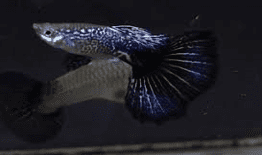
“Guppy high selection” likely refers to a process of selectively breeding guppies to emphasize specific desirable traits, such as coloration, fin shape, or size, in order to produce high-quality or “high-grade” guppies.

In high selection breeding programs, breeders carefully choose parent fish with the desired characteristics and continue to selectively breed offspring that exhibit those traits. Over time, this can lead to the development of strains of guppies that are particularly impressive in terms of their appearance.

The term “high selection” emphasizes the rigorous process of choosing only the best specimens for breeding, with the goal of achieving a high level of quality and consistency in the resulting offspring. This is a common practice among serious guppy enthusiasts and breeders who are looking to produce show-quality guppies or create unique and visually stunning strains.

Keep in mind that the specifics of high selection breeding can vary depending on the particular traits a breeder is focusing on and their personal goals for their guppy lines. It’s also important to note that ethical breeding practices prioritize the health and well-being of the fish above all else.

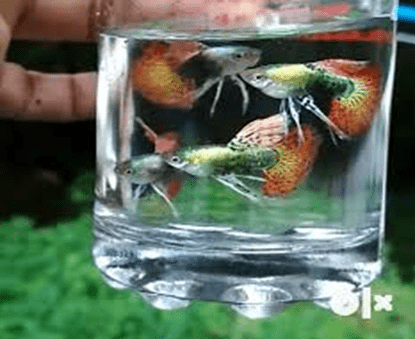
Below is our updated list of selected guppies

TIGER GUPPY (MALE) – ML   

TIGER FEMALE GUPPY  – ML   

CHILLI TIGER  MALE GUPPY – ML   

CHILLI TIGER  FEMALE GUPPY- ML   

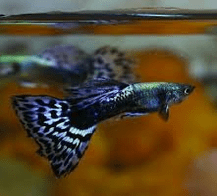
BLUE TIGER  GUPPY (MALE) – ML   

BLUE TIGER  GUPPY(FEMALE) – ML   

YELLOW TIGER  GUPPY (MALE) – ML   

YELLOW TIGER  GUPPY(FEMALE) – ML 

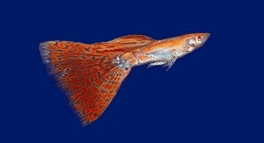
METAL RED LACE GUPPY-PAIR

    ALBINO FULL WHITE GUPPY-PAIR

    PLATINUM RED TAIL GUPPY-PAIR

    ALBINO FULL RED GUPPY-PAIR

    FULL GOLD RIBBON GUPPY-PAIR

    RED DRAGON RIBBON GUPPY-PAIR

    MAGENTA RIBBON GUPPY-PAIR

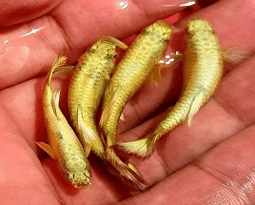
    FULL GOLD GUPPY-PAIR

    FULL BLACK GUPPY-PAIR

    BLUE DRAGON BIG EAR GUPPY-PAIR

    PURPLE BIG EAR GUPPY-PAIR

    BLACK TAIL BIG EAR GUPPY-PAIR

    DUMBO EAR MOSAIC GUPPY-PAIR

    MOSCOW BLUE GUPPY-PAIR

    TIGER MOSAIC GUPPY-PAIR

    VIOLET COBRA GUPPY-PAIR

    ALBINO MOSAIC GUPPY-PAIR

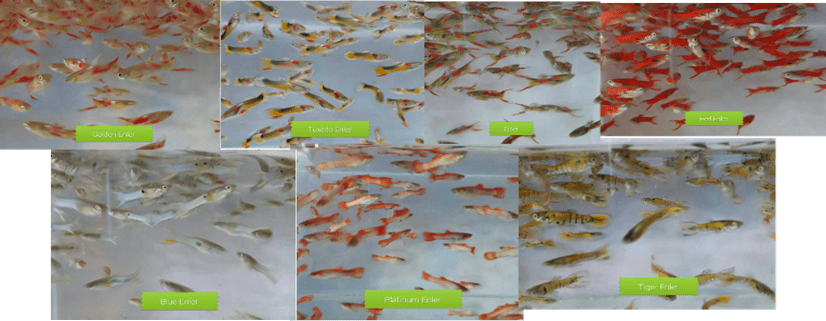
    GOLDEN ENDLER’S GUPPY (MALE)

    TUXEDO ENDLER’S GUPPY (MALE)

    PLATINUM ENDLER’S GUPPY(MALE)

    BLUE ENDLER’S GUPPY (MALE)

    GREEN ENDLER’S GUPPY (MALE)

    RED  ENDLER’S GUPPY (MALE) 

    TIGER ENDLER’S GUPPY (MALE) 

    Categories
    News

    Oranda Calico for sale in Thailand

    Maipenrai Aquarium – Tropical fish exporter from Thailand –

    Oranda calico short body now available in stock

    An Oranda calico, also known simply as an Oranda, is a variety of fancy goldfish characterized by a prominent, bumpy growth on its head known as a “wen.” This wen covers the top of the fish’s head and can extend down over its gills. Orandas are highly valued for their unique appearance and are a popular choice among goldfish enthusiasts.

    The “calico” pattern refers to their multicolored, mottled appearance. Calico Orandas typically have a combination of red, white, and black patches on their scales. Each fish’s pattern is unique, which adds to their individual charm.

    Orandas are known for their friendly and sociable nature, and they can make wonderful pets for dedicated fish keepers. However, it’s important to note that they have specific care requirements. They need a spacious tank with good filtration, as well as water conditions that are kept stable and clean.

    Additionally, since Orandas have a wen, they are more susceptible to certain health issues, such as wen infections or injuries. Regular maintenance and attention to their well-being are crucial for their overall health and longevity.

    Remember, if you’re considering keeping an Oranda calico or any other fish, it’s important to do thorough research on their specific care needs to ensure they thrive in your aquarium.

    Oranda Calico

    Keeping an Oranda calico (or any fancy goldfish) involves providing the right environment, diet, and care to ensure they lead healthy and happy lives. Here are some key considerations:

    1. Tank Size and Setup:
      • Orandas can grow quite large, so a spacious tank is essential. A single adult Oranda needs at least 20 gallons, but larger is always better.
      • They are slow swimmers and prefer a tank with minimal water flow to prevent stress and injury.
    2. Filtration and Aeration:
      • A good quality filter is crucial for maintaining clean and clear water. Goldfish produce a lot of waste, so a filter rated for a higher volume than the tank is recommended.
      • Aerate the water to ensure there is enough oxygen available.
    3. Water Parameters:
      • Orandas thrive in water temperatures between 65-75°F (18-24°C). They can tolerate slight fluctuations, but sudden changes should be avoided.
      • Ammonia and nitrite levels should be kept at zero, and nitrate levels should be kept low. Regular water testing and partial water changes are essential.
    4. Substrate and Decor:
      • Use a soft substrate like sand or rounded gravel to prevent injury to their delicate fins.
      • Provide hiding spots and decorations, but ensure they don’t have sharp edges or small openings that could trap the fish.
    5. Diet:
      • Orandas are omnivores. Offer a balanced diet of high-quality goldfish pellets, flakes, and occasional live or frozen foods like brine shrimp or bloodworms.
      • Avoid overfeeding, as obesity is a common health issue in goldfish.
    6. Feeding Routine:
      • Feed them small portions a few times a day rather than one large meal. This helps prevent overeating and maintains good water quality.
    7. Tank Mates:
      • Orandas are generally peaceful, but they are best kept with other goldfish or fish of similar size and temperament. Avoid keeping them with aggressive or nippy species.
    8. Health Monitoring:
      • Regularly check for signs of illness, like changes in behavior, loss of appetite, or unusual growths. Quarantine new fish before introducing them to the main tank to prevent the spread of disease.
    9. Cleaning and Maintenance:
      • Perform partial water changes (around 20-30%) every 1-2 weeks to maintain water quality.
      • Clean the filter regularly according to the manufacturer’s instructions.
    10. Observation and Interaction:
      • Spend time observing your Oranda to become familiar with their normal behavior. This can help you notice any changes that might indicate a health issue.

    Remember, each fish is unique, so be prepared to adjust their care based on their individual needs and preferences. Regular care and attention will help ensure your Oranda calico lives a long and healthy life.

    Oranda Calico Short Body

    Categories
    News

    Altum Angelfish – Pterophyllum altum

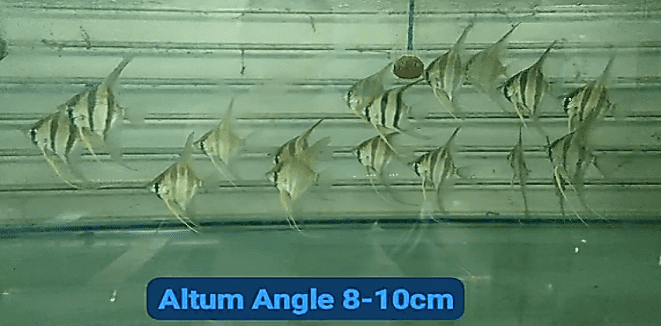
    Altum Angelfish available now

    Maipenrai Aquarium – Tropical fish exporter from Thailand

    Pterophyllum altum, commonly known as the Altum Angelfish or Orinoco Angelfish, is a species of freshwater angelfish native to the Orinoco River basin in South America. This species is highly regarded in the aquarium hobby for its unique and striking appearance.

    Here are some key characteristics and information about Pterophyllum altum:

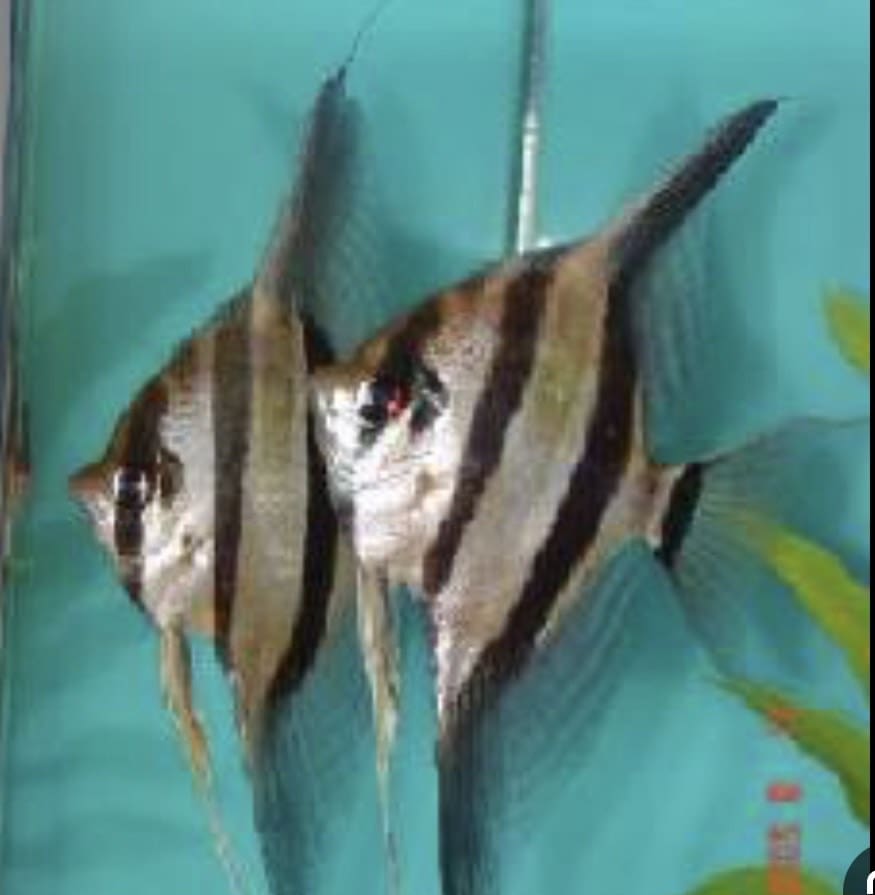
    1. Appearance: Altum Angelfish are known for their tall, compressed bodies and distinctive triangular shape. They have long, flowing fins, which make them quite elegant in appearance. Their coloration is usually silver or silver-gray with vertical black stripes, and they may have a touch of yellow or orange near the base of their fins.
    2. Size: These angelfish can grow quite large, with adults reaching up to 8 to 10 inches (20-25 cm) in height.
    3. Habitat: Pterophyllum altum is found in slow-moving and shaded waters of the Orinoco River and its tributaries in Venezuela and Colombia. They are typically found in areas with dense aquatic vegetation and submerged tree roots.
    4. Behavior: Altum Angelfish are generally peaceful fish, but they can be territorial during breeding. They are best kept in groups of at least four to reduce aggression, and they should be provided with plenty of hiding places and plants to mimic their natural habitat.
    5. Diet: In the wild, Altum Angelfish feed on a diet of small invertebrates, insects, and plant matter. In captivity, they can be fed a varied diet consisting of high-quality flake or pellet food, live or frozen food such as brine shrimp, bloodworms, and daphnia.
    6. Aquarium Care: To keep Altum Angelfish in captivity, it’s important to provide them with a spacious tank (preferably at least 50 gallons) and maintain stable water conditions. They prefer slightly acidic to neutral water with a temperature range of 78-82°F (25-28°C).
    7. Breeding: Breeding Altum Angelfish can be challenging due to their specific requirements. They are known to be substrate spawners, attaching their eggs to broad leaves or other surfaces. Raising the fry can also be demanding, as they require special care and feeding.
    8. Conservation: Pterophyllum altum faces threats in the wild, primarily due to habitat destruction and over-collection for the aquarium trade. It is important to support responsible and sustainable practices when keeping these fish in captivity.

    Altum Angelfish are considered a more advanced choice for aquarium enthusiasts due to their specific care requirements and potential size. Proper research and care are essential to ensure their well-being in a home aquarium.

    Altum Angelfish feeding

    Feeding Pterophyllum altum, or Altum Angelfish, in captivity is essential to their health and well-being. These fish are omnivorous, and a varied diet will help maintain their health, vibrant coloration, and overall vitality. Here are some guidelines for feeding Altum Angelfish:

    1. High-Quality Flake or Pellet Food: You can provide a high-quality angelfish-specific flake or pellet food as the staple diet. Look for products that are specifically formulated for angelfish to ensure they receive the necessary nutrients.
    2. Live or Frozen Foods: Supplement their diet with live or frozen foods to mimic their natural diet. Some suitable options include:
      • Brine Shrimp: A favorite of many aquarium fish, brine shrimp are a good source of protein.
      • Bloodworms: Frozen or live bloodworms are a nutritious treat for Altum Angelfish.
      • Daphnia: These small crustaceans are another excellent live or frozen option.
      • Blackworms: If available, blackworms are a nutritious choice.
    3. Vegetable Matter: Altum Angelfish are omnivores, so include some vegetable matter in their diet. You can offer blanched and finely chopped vegetables like spinach, zucchini, and cucumber. This provides fiber and essential vitamins.
    4. Variety: Rotate their diet to ensure they receive a wide range of nutrients. Feeding them a varied diet helps prevent dietary deficiencies and promotes better overall health.
    5. Frequency: Feed adult Altum Angelfish once or twice a day. Avoid overfeeding, as it can lead to health issues and poor water quality. Offer an amount of food that they can consume within a few minutes.
    6. Observation: Pay attention to their feeding behavior. If you notice that they are not eating or seem uninterested in food, it could be a sign of stress or illness.
    7. Water Quality: Maintain good water quality in the aquarium, as poor water conditions can affect their appetite and overall health.
    8. Special Care for Fry: If you are breeding Altum Angelfish and have fry, you will need to provide them with smaller, appropriately sized food. Infusoria, newly hatched brine shrimp, and specialized fry foods can be suitable for the early stages of their development.

    Remember that the dietary needs of fish can vary from one individual to another, so it’s essential to observe your Altum Angelfish and adjust their diet as needed. Additionally, providing a well-balanced diet and proper care will help maintain their vibrant coloration and overall health.