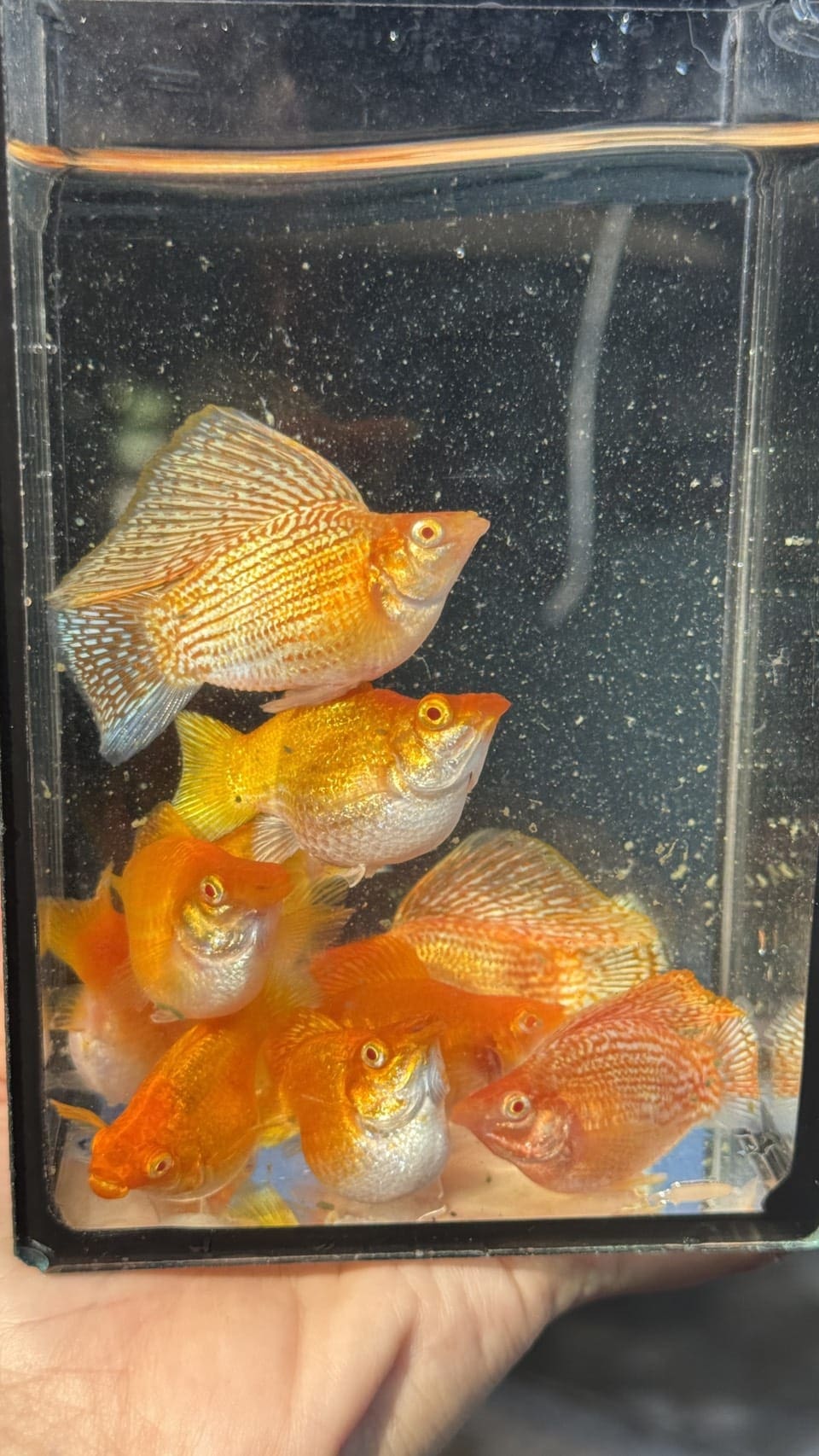
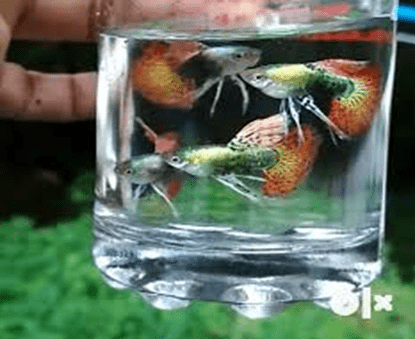
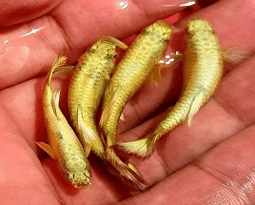
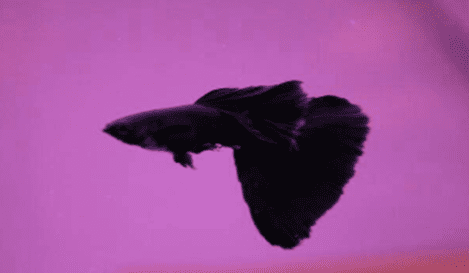
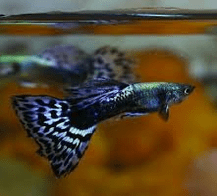
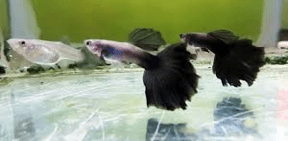
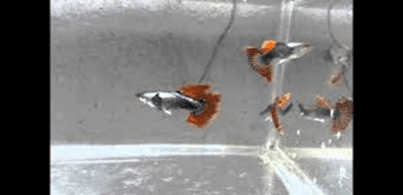
Discover the new Balloon Lyretail Molly from Maipenrai Aquarium. Premium ornamental mollies available for global wholesale export.
Maipenrai Aquarium, a trusted tropical fish exporter based in Thailand, proudly announces the launch of its newest ornamental fish strain: the Balloon Lyretail Molly. This premium livebearer combines unique body structure with elegant fin design, making it a standout addition to the global aquarium fish market.
A Unique Premium Molly for the International Aquarium Trade
The Balloon Lyretail Molly is a selectively bred strain featuring a rounded “balloon” body paired with beautifully extended lyretail fins. This rare combination enhances its visual appeal, making it highly sought-after by aquarium retailers, wholesalers, and fish importers worldwide.
Available in multiple popular color varieties such as black, dalmatian, gold, and marble, this strain offers strong commercial value and wide customer appeal.
Key Features of Balloon Lyretail Molly
Distinctive balloon-shaped body
Graceful lyretail fin extension
Vibrant and diverse color options
Hardy and adaptable to freshwater and brackish environments
Peaceful temperament, ideal for community aquariums
High demand among aquarium hobbyists and breeders
Why Choose Maipenrai Aquarium Thailand
As a professional ornamental fish supplier in Thailand, Maipenrai Aquarium is committed to delivering top-quality tropical fish for export. Our farm operates under strict quality control and biosecurity standards to ensure healthy, vibrant fish for international markets.
Our Export Advantages:
Reliable tropical fish exporter from Thailand
Competitive wholesale pricing for bulk orders
Consistent supply and large volume capacity
Professional packing for long-distance shipping
Health-certified, disease-free ornamental fish
Experienced global export team
Strong Market Demand for Exotic Molly Varieties
The increasing popularity of unique livebearer fish makes the Balloon Lyretail Molly a profitable choice for aquarium businesses. Its eye-catching appearance and easy care requirements make it suitable for both beginner and advanced aquarists.
This new strain is ideal for:
Aquarium fish importers
Pet shop retailers
Online aquarium businesses
Ornamental fish distributors
Order Balloon Lyretail Molly from Thailand
Maipenrai Aquarium now offers the Balloon Lyretail Molly for wholesale export worldwide. We provide full export services including documentation, health certificates, and customized packing solutions tailored to your country’s requirements.
Contact us today to request pricing, minimum order quantities (MOQ), and shipping schedules.
New Arrival: Garra Red Tail – Premium Tropical Fish Export from Thailand
We are proud to introduce the Garra Red Tail (Garra panitvongi), a highly sought-after freshwater species now available from our Thailand tropical fish export collection. This unique fish is quickly gaining popularity in the global aquarium trade due to its striking coloration and strong adaptability.
As a trusted tropical fish exporter in Thailand, we ensure consistent quality and reliable supply for importers and wholesalers worldwide.
About Garra Red Tail
The Garra Red Tail fish is known for its streamlined body and vibrant red tail, making it a standout species in any aquarium. Its active yet peaceful nature makes it ideal for community tanks.
Key Details:
Species: Garra panitvongi
Origin: Thailand / Myanmar
Export Size: 5–8 cm
Behavior: Peaceful, active
Aquarium Type: Freshwater community tank
Why Garra Red Tail is in High Demand
The increasing demand for ornamental fish export from Thailand has brought attention to unique species like the Garra Red Tail. This fish offers:
Eye-catching red tail coloration
High adaptability to different water conditions
Strong survival rate during international shipping
Compatibility with other tropical freshwater fish
These qualities make it an excellent choice for aquarium fish importers, pet wholesalers, and aquarium retailers.
Thailand Tropical Fish Export Quality
As an experienced Thailand aquarium fish supplier, we specialize in exporting high-quality ornamental fish. Our process includes:
Careful grading and health inspection
Professional packing for long-distance export
Stable and consistent supply
Full compliance with international shipping standards
We are committed to supporting businesses looking for reliable tropical fish wholesale suppliers in Southeast Asia.
Order & Availability
The Garra Red Tail tropical fish is now available for bulk export orders. We welcome inquiries from:
Aquarium fish importers
Tropical fish wholesalers
Pet shop distributors
Contact us today for pricing, stock availability, and shipping schedules.
Wholesale of wood for aquariums. International shipping
Selling wood for aquariums can be a great niche, as aquarium enthusiasts often look for unique and high-quality materials to create the perfect environment for their fish. Here are some key steps and ideas to help your company succeed in this market
When selecting wood for an aquarium, it’s essential to choose types that are safe for aquatic environments. Certain types of wood are perfect for aquariums, as they can add a natural aesthetic while providing hiding spots for fish and other aquatic creatures. Here are some common types of wood suitable for aquariums:
1. Driftwood
Popular Types: Mopani, Malaysian, and spider wood are some of the most commonly used driftwoods for aquariums.
Benefits: Driftwood adds a natural look to your aquarium and helps with the pH level of the water by slightly lowering it, which can be ideal for certain species like soft-water fish.
Precautions: Driftwood can leach tannins into the water, which may discolor it but is not harmful to fish. If you want to reduce the tannins, you can boil the wood before placing it in the aquarium.
2. Mopani Wood
Description: A dense, dark wood with unique patterns that looks great in aquariums. It can take a long time to sink, so it may need to be boiled or weighted down initially.
Benefits: It provides excellent hiding places for fish and shrimps. Its hardness and durability make it long-lasting in an aquarium.
3. Malaysian Wood
Description: Light-colored wood with intricate branching that works well in aquascaping.
Benefits: This type of wood tends to be lighter than Mopani and is easier to arrange in aquariums. It also leaches tannins, so some people prefer to boil it to remove them first.
4. Spider Wood (Araucaria)
Description: A lighter-colored wood with spindly branches, perfect for aquascaping and creating natural structures in the aquarium.
Benefits: It provides great hiding spots and is easy to manipulate. It’s relatively lightweight, making it easier to arrange in different aquarium sizes.
5. Bogwood
Description: Wood that has been submerged in a bog or swamp for a long period, giving it a unique, dark appearance.
Benefits: Like driftwood, it can lower pH slightly and provides an excellent hiding place for fish. It can be difficult to find, but it has a fantastic look when used properly.
6. Redmoor Wood
Description: Dark, twisted, and gnarled wood, often used in aquascaping for its unique shapes and textures.
Benefits: It’s an ideal choice for aquascaping and adding a natural touch to the tank. It also provides hiding spaces for smaller fish and shrimp.
Tips for Using Wood in Aquariums:
Boiling Wood: Boiling wood helps remove tannins and makes it sink faster. If boiling isn’t an option, you can soak the wood in water for several weeks before adding it to the tank.
Sinkability: Some types of wood float when first placed in the aquarium. If your wood floats, you can weigh it down with aquarium-safe rocks or use fishing line to secure it to the tank’s bottom until it sinks.
Aquascaping: Wood can be used to create natural-looking caves and structures for your fish. It’s especially beneficial for creating a natural habitat for shrimp, fish, and other aquatic creatures.
Avoid Pressure-Treated Wood: Pressure-treated wood often contains chemicals that can be toxic to aquatic life, so it should be avoided at all costs.
Channa ssp. (Snakehead) from Thailand – Maipenrai Aquarium: Tropical fish exporter
“Channa spp.” refers to a group of species within the Channa genus, commonly known as snakeheads. These are freshwater fish found primarily in Asia and Africa. The Channa genus includes several species, each with unique characteristics, but they share common traits like elongated bodies, large mouths, and sharp teeth, which make them effective predators.
Some popular species within the Channa genus include:
Channa micropeltes (Giant Snakehead) – Known for its large size and aggressive behavior.
Channa striata (Striped Snakehead) – Often found in Southeast Asia and is known for its distinctive striped body pattern.
Channa marulius (Murrel Snakehead) – A large species found in South Asia, often valued in local cuisines.
Channa orientalis – A smaller species that is more commonly found in aquarium settings.
Snakeheads are quite adaptable and have been introduced into various non-native environments, sometimes causing ecological disruptions due to their predatory nature.
Snakeheads (Channa species) are known for their distinct and often aggressive behavior, which makes them fascinating but challenging to keep in aquariums. Here are some key aspects of their behavior:
1. Aggression
Territoriality: Snakeheads, especially larger species like Channa micropeltes (Giant Snakehead), are highly territorial. In the wild, they often defend their space fiercely against intruders, including other fish species. This territorial nature can carry over into aquarium settings, where they may attack or chase away other fish.
Predatory Behavior: Snakeheads are apex predators in their natural habitats. They hunt smaller fish, amphibians, and invertebrates. Their large mouths, sharp teeth, and fast strikes help them capture prey efficiently. They can also be aggressive toward other fish, especially if they’re seen as competition for food.
Cannibalism: Some snakehead species, especially in crowded environments, may exhibit cannibalistic tendencies, especially when resources are scarce or they are kept in too-small tanks.
2. Movement and Hunting
Ambush Predator: Snakeheads often use an ambush strategy to catch their prey. They can lie in wait, using their camouflage (depending on the species), and launch a swift attack on unsuspecting prey that comes too close.
Air Breathers: Snakeheads are air-breathing fish, meaning they can survive in low-oxygen environments. They have a specialized structure called a labyrinth organ that allows them to gulp air at the surface. This also means they can adapt to less-than-ideal water conditions.
Lunging: When hunting, snakeheads are known to make sudden lunges, especially if they are attacking prey near the surface or in the shallows.
3. Social Behavior
Solitary or Small Groups: In the wild, many species of snakehead are solitary, particularly the larger species. However, some may be seen in small groups, especially during breeding seasons. This is more common in species like Channa striata (Striped Snakehead).
Parental Care: Some species of snakehead, like Channa micropeltes, are known for exhibiting parental care, particularly during breeding. The male typically guards the nest and young fry, protecting them from predators, including other fish.
4. Breeding Behavior
Nest Building: Snakeheads often build nests in submerged vegetation or even create nests in the mud. During breeding, the male and female will work together to create a safe space for the eggs, which are fertilized externally.
Protective Parents: After hatching, the male will guard the young fish from predators. Some species, like Channa marulius, will even protect their young by carrying them in their mouths (a behavior similar to mouthbrooding) until they’re large enough to fend for themselves.
5. Interactions with Other Fish
Not Community Fish: Due to their aggressive and predatory nature, snakeheads are not well-suited for community tanks, especially with small or peaceful species. They can easily outcompete other fish for food and territory.
Tank Mates: In aquariums, it’s often recommended to keep snakeheads with large, aggressive fish that can hold their own, or to house them alone. They may be compatible with other large, robust species like large catfish, but it can depend on the individual temperament of the fish.
6. Adaptability
Survival in Poor Conditions: Snakeheads are known for their ability to adapt to a range of environments, even those with lower oxygen levels. This is why they can thrive in muddy waters or areas with poor water quality.
Climate Tolerance: Many species of snakeheads are quite hardy and can tolerate a wide range of water temperatures, although they generally prefer warmer waters (around 25–30°C or 77–86°F).
7. Intelligence
Snakeheads are considered to be relatively intelligent compared to many other fish species. They can learn to recognize their owners and may even beg for food when they see humans approaching the tank. In the wild, their hunting tactics require a level of problem-solving and awareness that suggests a higher degree of intelligence.
Gymnothorax polyuranodon – Maipenrai Aquarium tropical fish exporter
There is one species of moray eel that is notable for its ability to live in freshwater environments, though it is quite rare and unique compared to other moray eels. Gymnothorax polyuranodon also known as the freshwater moray, is known to inhabit brackish and freshwater environments in Southeast Asia, particularly around rivers, estuaries, and coastal mangrove areas.
While most Gymnothorax species are strictly marine, Gymnothorax polyuranodon has adapted to live in environments where salinity can fluctuate. This species is more commonly found in areas where freshwater and saltwater mix, making it semi-freshwater or brackish rather than truly living in freshwater like some other eel species (like Anguillidae, the true freshwater eels).
The ability to survive in low-salinity environments sets Gymnothorax p. apart, but it is still more comfortable in areas with some level of salt in the water. Like other moray eels, it tends to stay hidden in rocky or submerged areas and preys on small fish and invertebrates.
Gymnothorax p., also known as the freshwater moray, primarily inhabits estuarine and brackish water environments in Southeast Asia. These eels are often found in river mouths, mangrove areas, and coastal habitats where freshwater and saltwater mix, creating conditions of varying salinity.
Although they are adapted to brackish and sometimes freshwater environments, they still require a certain level of salinity to thrive. Gymnothorax polyuranodon tends to stay in sheltered areas such as rocky crevices, mudflats, or mangrove roots where they can hide during the day and hunt for food at night. The presence of dense vegetation or complex underwater structures provides excellent cover for them, as they prefer staying hidden from predators.
In these habitats, they primarily feed on small fish and invertebrates, hunting at night like many other moray species. While they are capable of surviving in freshwater, their ideal environment is one with a mix of both freshwater and saltwater, where they can easily adjust to changing conditions.
Their ability to tolerate a range of salinities sets them apart from the majority of other Gymnothorax species, which are strictly marine.
Keeping Gymnothorax p. (the freshwater moray eel) in an aquarium can be an exciting challenge, given its unique habitat requirements and the fact that it’s adapted to brackish or semi-freshwater environments. While it’s not commonly kept in home aquariums due to its specific needs, it is possible with the right setup and care. Here are some key factors to consider if you’re thinking about keeping this eel in an aquarium:
1. Tank Size
Gymnothorax polyuranodon can grow to a length of about 1 meter (3 feet) or more, so you’ll need a relatively large aquarium. A tank of at least 75-100 gallons (approximately 280-380 liters) would be ideal, as this allows ample space for the eel to roam and hide. Since these eels are quite active, the larger the tank, the better.
2. Water Parameters
As a brackish water species, Gymnothorax p. requires specific water conditions:
Salinity: Maintain a salinity level in the range of 1.005–1.015 specific gravity (SG), which is typical for brackish water.
pH: Keep the pH between 7.5 and 8.5, slightly alkaline, which is common for brackish environments.
Temperature: A water temperature of around 24-28°C (75-82°F) is ideal, which simulates the warm waters of estuaries and coastal areas.
Water quality: Make sure the water is clean, well-filtered, and well-oxygenated. Regular water changes are important to keep ammonia and nitrite levels low.
3. Tank Setup
These eels love hiding in crevices, so you’ll want to replicate the rocky or mangrove-like environment that they would naturally inhabit.
Rockwork and caves: Provide plenty of hiding spaces with rocks, caves, and tunnels where the eel can feel safe. They are nocturnal and spend a lot of time hiding during the day.
Substrate: A fine substrate, like sand or small gravel, is preferable. They like to burrow into the sand, especially when feeling stressed or resting.
Plants: If you want to add live plants, choose hardy, brackish-tolerant species. Mangroves or salt-tolerant grasses might work well.
4. Diet
Gymnothorax p. is a carnivorous predator, so it will need a diet that consists of:
Frozen or live food: Offer a variety of foods such as frozen or live fish, shrimp, squid, and other meaty foods. Some aquarium keepers feed them chopped seafood or pieces of fish.
Feeding technique: Because of their natural hunting behavior, you might need to use tongs or feeding sticks to deliver food to the eel, as they tend to be shy and might not always eat from the surface.
5. Tankmates
While Gymnothorax p. can be kept with other species, it’s best to choose peaceful, non-aggressive tankmates that won’t disturb the eel. It may not do well with very small fish, as it might try to hunt them. Larger, peaceful fish such as other brackish-water species or certain invertebrates (like larger crabs or snails) can work as companions.
6. Behavior and Maintenance
Nocturnal nature: Since these eels are mainly nocturnal, you’ll likely see them more during the evening or night. They can be shy during the day, retreating into their hiding spots.
Escape artists: Moray eels are known for their ability to squeeze through small openings, so be sure your aquarium has a secure lid to prevent escapes.
7. Challenges
Brackish water maintenance: Maintaining the right salinity and water quality can be challenging for aquarium keepers who are new to brackish water setups. You’ll need to regularly monitor and adjust salinity, pH, and temperature.
Size: Due to their potential size and activity level, larger tanks are necessary, which may be an investment in both space and equipment.
8. Breeding
Breeding Gymnothorax p. in captivity is not commonly done, but it’s possible under the right conditions. However, creating the right environment for spawning is tricky since it involves maintaining proper salinity gradients and potentially replicating the natural conditions of brackish water systems.
Final Thoughts
While Gymnothorax polyuranodon can be a fascinating addition to a brackish water aquarium, they do have specialized care requirements. A properly set up brackish aquarium with the right water parameters, hiding spaces, and food sources will help create a comfortable environment for this eel. If you’re new to brackish tanks, it might take some time to get the water conditions just right, but once established, they can be an intriguing and unique species to observe!
Maipenrai Aquarium: tropical and cold water fish exporter from Thailand
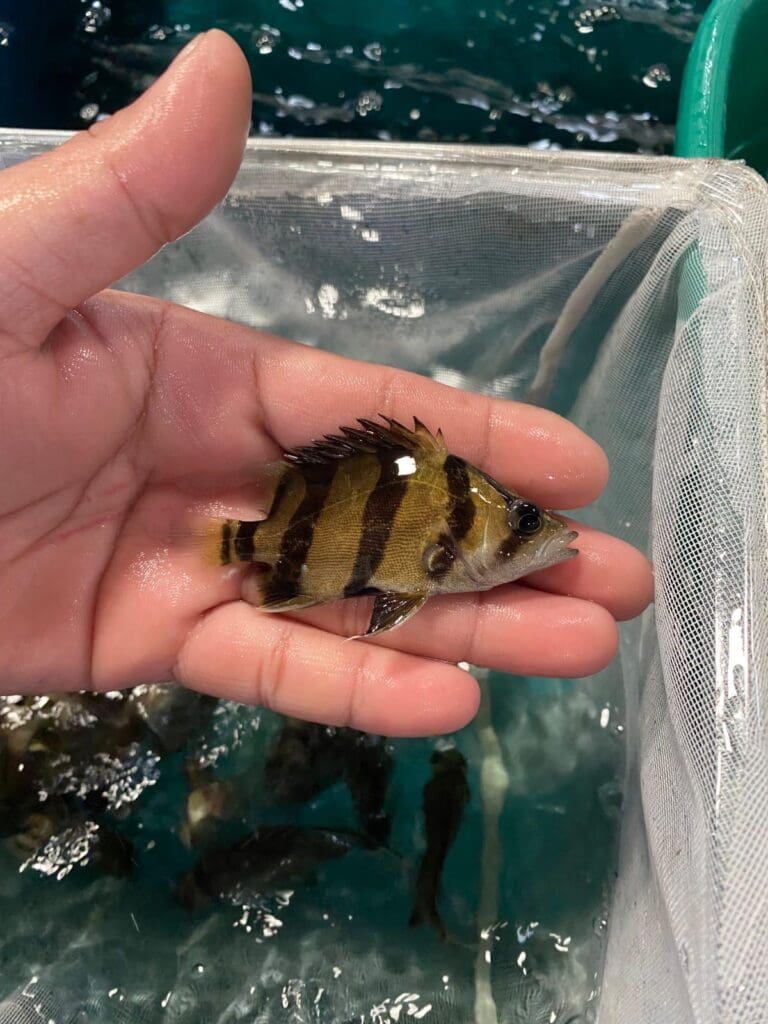
Keeping Siamese tigerfish (Datnioides microlepis) in an aquarium can be a rewarding experience, but it requires careful attention to their specific needs due to their size, behavior, and water requirements. Here are some important considerations for keeping Siamese tigerfish in an aquarium
1. Tank Size
Siamese tigerfish can grow quite large, up to 90 cm (3 feet), so a large tank is essential. A minimum tank size of 250-300 gallons (around 1000-1200 liters) is recommended for adult specimens. Smaller tanks will stunt their growth and lead to health issues.
2. Water Parameters
Temperature: 24–30°C (75–86°F). This species thrives in warmer waters typical of Southeast Asia.
pH: Slightly acidic to neutral, around 6.5 to 7.5.
Hardness: Soft to moderately hard water (3–10 dGH).
Regular water changes are necessary to keep water conditions optimal, as they produce a lot of waste.
3. Filtration
Due to the large size and messiness of the fish, a powerful filtration system is essential. Look for high-quality, efficient filters capable of handling the heavy biological load. Consider a combination of canister filters and powerheads to ensure adequate water movement and filtration.
4. Tank Setup
Aquascaping: Siamese tigerfish prefer clear, well-oxygenated water with a relatively open swimming space. You can add some rocks or driftwood for hiding spots, but avoid overcrowding the tank with decorations. They need plenty of space to swim.
Lighting: Moderate lighting will suffice, as they don’t need high light intensity.
5. Diet
Siamese tigerfish are carnivorous, so they will require a protein-rich diet. In captivity, they can be fed a variety of foods, such as:
High-quality pellets or flakes designed for carnivorous fish.
Live or frozen foods like fish, shrimp, and worms.
Occasionally, you can offer smaller prey such as guppies or small feeder fish, but be cautious about overfeeding live prey, as it can introduce diseases.
6. Tankmates
Compatibility: Siamese tigerfish are generally peaceful toward other large, robust fish but can be aggressive towards smaller or slower species. They are also territorial and may not tolerate other fish of similar size or appearance.
It’s best to keep them with other large, fast-moving fish that can hold their own. Some good tankmates include larger species of cichlids, barbs, and other predatory fish.
Avoid keeping them with small fish, as they may become prey.
7. Behavior and Temperament
Siamese tigerfish are typically solitary and may become aggressive toward other fish, especially as they mature. They can be territorial, particularly in smaller tanks.
They are not particularly social and may not form groups, so it’s often best to keep them singly unless you have a very large tank with plenty of hiding spots and swimming space.
8. Health and Maintenance
Regular water testing (for ammonia, nitrites, nitrates, and pH) and water changes are key to maintaining their health.
Watch out for common aquarium fish diseases like ich, fin rot, or parasites, especially if you’re keeping other species in the tank.
Proper feeding is crucial to avoid obesity or malnutrition, so ensure a balanced diet and don’t overfeed.
9. Breeding
Breeding Siamese tigerfish in captivity is very challenging, and there are no widely documented successful breeding attempts in home aquariums. In the wild, they spawn in large rivers, but replicating this environment in captivity is difficult.
Summary
In summary, keeping a Siamese tigerfish requires a large aquarium, stable water conditions, and careful attention to their diet and tankmates. They are a stunning and fascinating species, but their size, territorial nature, and carnivorous diet make them suitable for experienced fishkeepers who are prepared to meet their specific needs. If you’re up for the challenge, they can be a beautiful centerpiece in your aquarium.
Maipenrai Aquarium Tropical fish exporter from Thailand
Parrot cichlids, often referred to as “blood parrot cichlids,” are a popular group of hybrid aquarium fish that are a cross between different species of cichlids. These fish are known for their vibrant colors and distinct appearance, which includes a beak-like shape to their mouths, hence the name “parrot.”
Here are some key points about parrot cichlids:
1. Origin
Parrot cichlids are typically hybrids, most commonly bred from a combination of mid-sized cichlids, such as the midas cichlid (Amphilophus citrinellus) and the flowerhorn cichlid (Hybrid of several cichlids). They were first bred in Taiwan and have since become popular in the aquarium trade.
2. Appearance
Size: Parrot cichlids can grow to be 8 to 10 inches (20 to 25 cm) long, though some larger variants may exceed that.
Mouth: Their most distinctive feature is their beak-like mouth, which gives them a “parrot” appearance. This unique mouth shape results from their hybrid nature.
Color: They are available in a variety of colors, including bright oranges, reds, yellows, and even pastel hues. Some parrot cichlids have a more subdued coloration with patterns or spots, depending on the hybrid strain.
3. Personality
Temperament: Parrot cichlids are generally peaceful but can be territorial, especially during breeding. They are social fish that do well in community tanks, but they should be kept with similarly peaceful species.
Intelligence: Parrot cichlids are relatively intelligent and can interact with their owners, recognizing them and responding to feeding routines.
4. Care Requirements
Water conditions: They prefer slightly acidic to neutral water (pH between 6.5 to 7.5) and a water temperature between 75°F and 80°F (24°C to 27°C).
Tank size: A minimum tank size of 30 gallons is recommended for one parrot cichlid, though larger tanks are better, especially if you want to keep them with other fish.
Filtration: These cichlids are messy eaters, so a strong filtration system is important to maintain good water quality.
5. Diet
Parrot cichlids are omnivores and will accept a wide variety of foods, including:
High-quality pellets or flakes designed for cichlids.
Frozen or live foods like brine shrimp, bloodworms, and daphnia.
Vegetables such as spinach, peas, or zucchini.
6. Reproduction
Parrot cichlids are known to be prolific breeders, but their ability to reproduce in captivity depends on the hybrid’s genetics. Many parrot cichlids are sterile, meaning they cannot breed. However, some may still breed with other cichlids under certain conditions.
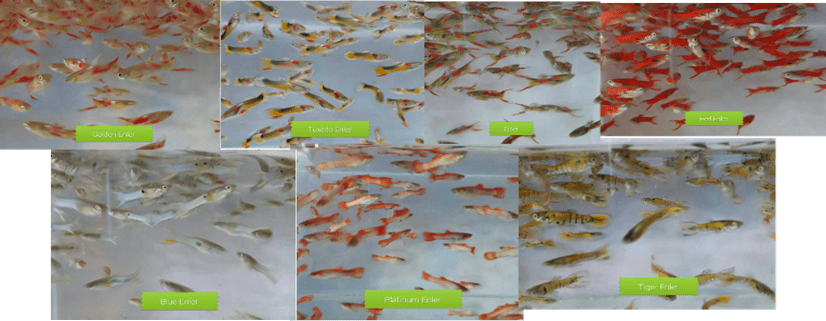
Endler’s guppy in stock – Maipenrai aquarium tropical fish exporter –
Many different strains of Endler’s Guppy available for export
Poecilia wingei, commonly known as Endler’s livebearer or Endler’s guppy, is a small and colorful freshwater fish that belongs to the Poeciliidae family. They are native to the streams of Venezuela and are closely related to the more commonly known guppy (Poecilia reticulata).
Endler’s livebearers are popular among aquarium enthusiasts due to their vibrant colors, active behavior, and relatively easy care requirements. They are known for their striking coloration, which often includes bright hues of orange, red, blue, green, and black, with unique patterns.
These fish are livebearers, meaning they give birth to live young rather than laying eggs. They are prolific breeders and can reproduce rapidly under the right conditions. However, they are generally peaceful and can coexist with other peaceful fish species in a community aquarium.
Endler’s livebearers prefer densely planted aquariums with plenty of hiding spots and open swimming areas. They are adaptable to a range of water parameters but thrive in slightly alkaline water with a temperature between 72°F to 82°F (22°C to 28°C).
Due to their popularity, there are various selectively bred strains of Endler’s livebearers available in the aquarium trade, each with its own unique color patterns and traits. However, it’s important to avoid hybridization with other closely related species to preserve the purity of the Endler’s livebearer gene pool.
Green Black Bar Endler’s Guppy
Golden Endler’s Guppy
Feeding Poecilia wingei, or Endler’s livebearers, is relatively straightforward. Like most fish, they are omnivores and will accept a variety of foods. Here are some feeding tips for keeping them healthy and vibrant:
High-Quality Flakes or Pellets: A staple diet for Endler’s livebearers can consist of high-quality flake or pellet foods (Feed4Fish-Guppy Feed) specifically formulated for tropical fish. Look for options that contain a balanced mix of proteins, fats, vitamins, and minerals.
Live Foods: Endler’s livebearers enjoy live foods such as brine shrimp, daphnia, bloodworms, and mosquito larvae. These provide essential nutrients and mimic their natural diet. Live foods can be offered as occasional treats or as part of a varied diet.
Frozen Foods: Frozen foods like bloodworms, brine shrimp, and daphnia are excellent alternatives to live foods and offer similar nutritional benefits. They are convenient and can be stored in the freezer for long periods.
Vegetable Matter: Supplement their diet with vegetable matter to ensure a balanced nutrition profile. This can include blanched spinach, zucchini, cucumber, or specialized vegetable-based fish foods. Some Endler’s livebearers may also nibble on algae in the aquarium.
Feed in Moderation: Avoid overfeeding as it can lead to water quality issues and health problems. Offer small amounts of food 2-3 times a day, only what the fish can consume within a few minutes. Remove any uneaten food to prevent it from fouling the water.
Variety is Key: Providing a varied diet ensures that your Endler’s livebearers receive all the essential nutrients they need for optimal health and coloration. Rotate between different types of foods to keep their diet interesting and balanced.
Observation: Monitor your fish while feeding to ensure that all individuals are eating and behaving normally. Any sudden loss of appetite or unusual behavior could be a sign of underlying health issues.
By offering a diverse and balanced diet, you can help keep your Endler’s livebearers healthy, vibrant, and thriving in your aquarium.
Red Endler’s Guppy
Silver Endler’s Guppy
Importing Poecilia wingei, or Endler’s livebearers, typically involves acquiring them from breeders or suppliers in regions where they are native or where breeding populations exist. Here’s an overview of the steps involved in importing these fish:
Research and Selection: Before importing Endler’s livebearers, research reputable breeders or suppliers who specialize in these fish. Look for those who prioritize ethical and sustainable breeding practices and offer high-quality stock.
Export Regulations: Check the export regulations and requirements for importing live fish from the country of origin. This includes ensuring compliance with any permits, health certificates, or quarantine procedures necessary for the legal importation of fish.
Transportation: Coordinate the transportation of the fish from the supplier’s location to your destination. Depending on the distance and logistics involved, this may require air freight or specialized shipping services that can maintain proper water temperature and oxygen levels during transit.
Customs Clearance: Arrange for customs clearance and any necessary inspections upon arrival in your country. Be prepared to provide documentation and pay any applicable import duties, taxes, or fees associated with bringing live fish into the country.
Quarantine and Acclimatization: Upon arrival, quarantine the imported fish in a separate tank to monitor their health and ensure they are free from diseases or parasites. Gradually acclimate them to their new environment by slowly adjusting water parameters such as temperature, pH, and salinity.
Introducing to the Aquarium: Once the imported fish have completed the quarantine period and are deemed healthy, carefully introduce them to their permanent aquarium habitat. Monitor their behavior and condition closely during this transition period to ensure they adapt well to their new surroundings.
Breeding and Maintenance: If your goal is to breed Endler’s livebearers, provide them with suitable breeding conditions, such as densely planted aquariums with ample hiding spots and proper water parameters. Maintain optimal water quality, temperature, and feeding regimen to support healthy breeding and offspring development.
Importing live fish involves careful planning, adherence to regulations, and attention to detail to ensure the well-being of the fish and compliance with legal requirements. Working with reputable suppliers and following best practices for handling and care can help facilitate a successful importation process.
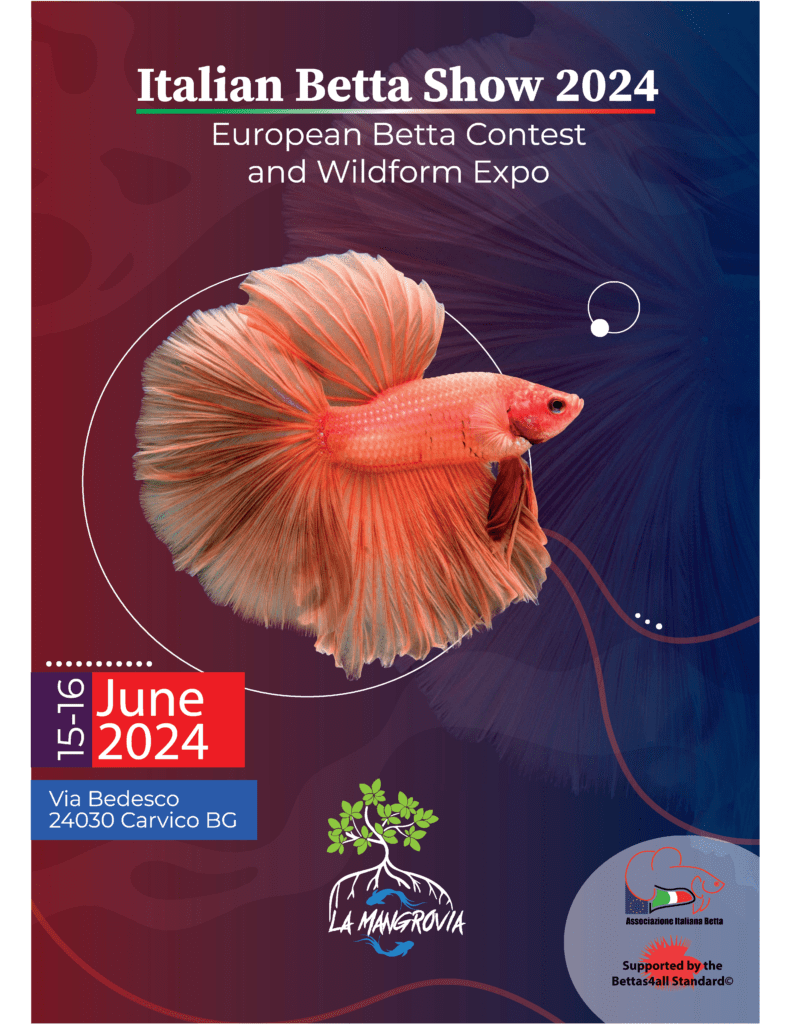
Anche in questo 2024, siamo lieti di supportare questo evento dedicato ai Betta:
– Italian Betta Show 2024
Quest’anno la competizione si terra’ il 15 e il 16 di Giugno in Italia, presso la sede della azienda agricola La Mangrovia, nella cittadina Carvico in via Bedesco in provincia di Bergamo. Questo evento comprendera’ una competizione uffiale di Betta Show che seguira’ gli standard di giudizio della associazione Bettas4all con la presenza di giudici di importanza internazionale. Nella stessa struttura e negli stessi giorni, si terra’ anche una altra manifenstazione: Wild Form Expo, dove gli appassionati di questo meraviglioso hobby potranno osservare dal vivo i pesci appartenenti alle famiglia degli Anabantoidae e alla famiglia degli Osphronemidae (la famiglia di origine a cui appartengono i Betta) nelle loro forme e colorazioni originali, grazie ad un lungo processo di selezione partito dalle forme selvatiche e rigorosamente mantenuto nelle generazioni successive. Noi di Feed4Fish saremo presenti con il nostro mangime dedicato alla alimentazione dei Betta ma non solo: presenteremo a tutti i partecipanti la nostra linea dedicata ai pesci tropicali di acqua dolce (dall’avannotto fino agli snack per carpe koi)
Che cosa ha di diverso il mangime per i Betta della linea Feed4Fish? Oltre ad una accurata scelta delle materie prime, i nostri mangimi non contengono proteine animali provenienti dalla pesca e dai suoi scarti industriali: l’unica fonte di proteine nobili presente nei nostri mangimi previene esclusivamente dalle farine e dagli olii di Hermetia illucens (comunemente chiamato mosca soldato – Black soldier fly in inglese), un piccolo insetto che, oltre ad avere una percentuale di proteine nobili al suo interno molto elevata, puo’ essere allevato esclusivamente con gli scarti organici provenienti dalla agricoltura, rendendo la sua produzione a zero impatto ambientale. Inoltre, grazie al ciclo “chiuso”, e’ possibile dare anche maggior valore al lavoro dei contadini, aumentando la loro produttivita’ e ottimizzando gli sprechi alimentari.
Vi aspettiamo numerosi a questo evento presso la sede della azienda agricola La Mangrovia.
Ogni hobbista e allovatore europeo sara’ il benvenuto.
Coglieremo l’occasione per conoscervi e per farvi vedere la nostra linea completa di mangimi, potendovi spiegare dal vivo le caratteristiche principali e le migliori modalita’ di utilizzo di questo innovative prodotto
Non esitate ad iscrivervi a questa competizione internazionale e, per qualsiasi richiesta di informazione, contattate tramite il sito ufficiale La Mangrovia.
This event will take place on the 15th and 16th of June in Italy, at the headquarters of the La Mangrovia farm, in the small town of Carvico in Bedesco Street in the province of Bergamo (North of Italy). This event will include an official Betta Show competition which will follow the judging standards of the Bettas4all association with the presence of internationally renowned judges. In the same structure and on the same days, another event will also be held: Wild Form Expo, where fans of this wonderful hobby will be able to observe live fish belonging to the Anabantoidae family and to the Osphronemidae family (the family of origin to which Bettas belong) in their original shapes and colours, thanks to a long selection process starting from the wild shapes and rigorously maintained in the following generations. We at Feed4Fish will be present with our feed dedicated to feeding Bettas but not only: we will present to people our entire line dedicated to tropical aquarium fish (from fry to koi carp snacks)
What is different about Feed4Fish food for Bettas? In addition to a careful selection of raw materials, our feed does not contain animal proteins from fishing and its industrial waste: the only source of noble proteins present in our feed comes exclusively from the flours and oils of Hermetia illucens (Black soldier fly), a small insect which, in addition to having a very high percentage of noble proteins inside, can be raised exclusively with organic waste from agriculture, making its production zero environmental impact. Furthermore, thanks to the “closed” cycle, it is possible to give even greater value to the work of farmers, increasing their productivity and optimizing food waste.
We look forward to seeing you at this event at the headquarters of the La Mangrove farm. Every European hobbyist and breeder will be welcome. We will take the opportunity to get to know you and to show you our complete line of feed, being able to explain the main features and the best methods of use live
Do not hesitate to register for this international competition and, for any information request, contact the official La Mangrovia website.
Maipenrai Aquarium: Tropical fish exporter from Thailand
The Oranda is a popular variety of fancy goldfish known for its distinctive appearance, characterized by a prominent hood or wen on its head. The Oranda is believed to have originated in China, where selective breeding of goldfish began centuries ago.
Goldfish, including the Oranda, were initially bred from a type of wild carp known as the Prussian carp (Carassius gibelio), which was native to East Asia. The selective breeding process aimed to enhance certain physical traits, such as coloration, body shape, and finnage.
The Oranda likely emerged as a result of selective breeding efforts in China during the Ming Dynasty (1368–1644) or earlier. The development of the hood or wen on the head of the Oranda is a mutation that occurred during the breeding process. This distinctive feature has become one of the defining characteristics of the Oranda and is highly prized by goldfish enthusiasts.
Goldfish, including the Oranda, were introduced to Japan in the 16th century, where they were further developed and refined by Japanese breeders. The Japanese played a significant role in the cultivation of various fancy goldfish varieties, including the Oranda, Ryukin, and Ranchu.
Today, the Oranda remains a beloved and sought-after variety of goldfish worldwide, admired for its elegant appearance and graceful swimming behavior. Hobbyists continue to selectively breed Orandas to enhance their unique characteristics and develop new color variations, ensuring that this beautiful fish remains a favorite in the aquarium hobby.
In the context of goldfish breeding and trading, the term “A grade Oranda” typically refers to a high-quality specimen that exhibits desirable characteristics according to the standards set by goldfish enthusiasts and breeders. These characteristics can include:
Body Shape: A well-proportioned body with a smooth, rounded shape and no deformities or irregularities.
Hood or Wen: A prominent, well-developed hood or wen on the head, which is one of the defining features of the Oranda variety. The hood should be large, symmetrical, and evenly distributed over the head.
Coloration: Vibrant and consistent coloration across the body, fins, and hood. Different color variations exist, including red, orange, white, black, and calico (a mix of colors).
Finnage: Finnage should be in proportion to the body and display a clean, crisp appearance with no signs of damage or deformities.
Health and Condition: A healthy and active fish with clear eyes, smooth scales, and no signs of illness or disease.
Goldfish grading can vary slightly depending on the specific preferences of individual breeders and the standards of different organizations or competitions. However, an A grade Oranda generally represents a top-quality specimen that meets or exceeds the expectations for the variety. These fish are often prized by hobbyists and collectors for their beauty and potential for breeding or exhibition.
Guppies are small, colorful freshwater fish that belong to the Poeciliidae family. They are native to the waters of Central America, specifically Trinidad and Tobago, Venezuela, Guyana, and northern Brazil. Guppies are popular among aquarium hobbyists due to their vibrant colors, easy care requirements, and active behavior.
These fish come in a wide variety of colors, patterns, and fin shapes, thanks to selective breeding efforts over many years. Male guppies are typically more colorful and have larger fins compared to females. They are known for their live-bearing reproduction, meaning they give birth to free-swimming fry rather than laying eggs.
Guppies are generally peaceful and social fish that can be kept in community aquariums with other small, non-aggressive fish. They prefer a well-filtered aquarium with plenty of plants and hiding spots. Guppies are omnivores and will eat a diet of flake or pellet food supplemented with live or frozen foods like bloodworms or brine shrimp.
Overall, guppies are a popular choice for beginner aquarists and experienced hobbyists alike due to their beauty, ease of care, and interesting behavior.
“Guppy A grade” typically refers to guppies that have been selectively bred and judged to meet certain criteria, usually related to their appearance, coloration, finnage, and overall quality. In the world of guppy breeding, different grades are often assigned to guppies based on their quality, with “A grade” being among the highest. These guppies are usually characterized by vibrant colors, well-defined patterns, and symmetrical fins.
For hobbyists and breeders, striving for “A grade” guppies can be a rewarding pursuit, involving careful selection of breeding pairs, attention to water quality and nutrition, and sometimes even specialized breeding techniques to enhance desired traits. In competitions and exhibitions, guppies are often judged based on criteria specific to their breed standards, with “A grade” guppies being highly sought after for their beauty and excellence.
Keeping guppies can be a rewarding and enjoyable hobby. Here are some key points to consider when setting up and maintaining a guppy aquarium:
Aquarium Setup: Start with a suitable aquarium size. A 10-gallon tank or larger is recommended for a small community of guppies. Ensure the tank has a secure lid to prevent jumping, as guppies are known to be quite active. Use a quality aquarium filter to maintain water quality and a heater to keep the water temperature stable, ideally between 72-82°F (22-28°C).
Water Parameters: Guppies prefer slightly alkaline water with a pH level between 6.8 and 7.8. Ammonia and nitrite levels should be kept at zero, and nitrate levels should be kept low with regular water changes. Test the water parameters regularly using a reliable test kit.
Decorations and Substrate: Provide plenty of live or artificial plants for guppies to explore and hide among. Guppies enjoy having places to rest and feel secure. Use a fine-grained substrate such as sand or gravel for the bottom of the tank.
Tank Mates: Guppies are peaceful fish and can be kept with other small, non-aggressive species that share similar water requirements. Suitable tank mates include tetras, danios, mollies, platies, and peaceful bottom-dwellers like Corydoras catfish.
Feeding: Guppies are omnivores and will eat a variety of foods, including high-quality flake or pellet food, as well as live or frozen foods like bloodworms, brine shrimp, and daphnia. Offer a varied diet to ensure they receive all the necessary nutrients.
Breeding: Guppies are prolific breeders, and females can give birth to fry every 4-6 weeks under optimal conditions. If you want to control the population, consider separating male and female guppies or providing plenty of hiding places for fry to escape predation.
Maintenance: Perform regular water changes of 20-30% every 1-2 weeks to remove waste and maintain water quality. Clean the aquarium equipment, such as the filter and heater, as needed to ensure proper functioning.
By following these guidelines and providing a suitable environment, you can enjoy the beauty and charm of guppies in your aquarium for years to come.
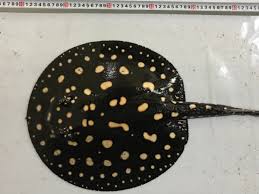
Xingu River Ray – Black Diamond: freshwater stingray for sale in Thailand
Potamotrygon leopoldi, commonly known as the black diamond stingray, is a species of freshwater stingray native to the Xingu River in Brazil. It is named after King Leopold III of Belgium, who was a patron of the ichthyological expedition that discovered the species. These stingrays are known for their striking appearance, characterized by a dark coloration with white spots or lines, resembling the pattern of a leopard. They are highly prized in the aquarium trade for their unique appearance but are also threatened due to habitat destruction and overfishing. Conservation efforts are underway to protect their natural habitat and regulate their trade.
Keeping Potamotrygon leopoldi, or black diamond stingrays, in captivity requires careful consideration and attention to their specific needs. Here are some important factors to keep in mind:
Tank Size: Stingrays require large tanks due to their size and swimming behavior. A tank size of at least 180 gallons (680 liters) is recommended for a single adult stingray, with additional space needed for each additional ray.
Substrate: A soft, sandy substrate is ideal to prevent injury to the stingray’s delicate underside. Avoid using sharp or abrasive substrates that could damage their skin.
Filtration: Stingrays are sensitive to poor water quality, so a high-quality filtration system is essential to maintain clean water. Canister filters or sump systems are commonly used to provide adequate filtration.
Water Parameters: Black diamond stingrays prefer warm, soft, and slightly acidic water conditions similar to their natural habitat. Aim for a temperature range of 78-82°F (25-28°C) and a pH level between 6.5 and 7.5.
Hiding Places: Provide plenty of hiding places such as caves, PVC pipes, or large rocks for the stingrays to retreat to when they feel stressed or threatened.
Feeding: Stingrays are carnivorous and primarily feed on meaty foods such as shrimp, fish, squid, and other aquatic invertebrates. Offer a varied diet to ensure nutritional balance, and consider using feeding tongs to prevent accidental injury from their venomous barbs.
Tank Mates: Carefully consider tank mates for your stingrays, as they may prey on smaller fish or be preyed upon themselves if housed with aggressive or predatory species. Peaceful, large-bodied fish that occupy different areas of the tank can make suitable tank mates.
Handling: Avoid handling your stingrays unless absolutely necessary, as they can become stressed and may use their venomous barbs in self-defense. If handling is required, use a soft net and handle with extreme care to avoid injury to both yourself and the stingray.
Maintenance: Regular maintenance, including water changes, substrate vacuuming, and equipment checks, is essential to ensure a healthy environment for your stingrays.
Research and Consultation: Before acquiring black diamond stingrays, thoroughly research their care requirements and consider consulting with experienced aquarists or professionals to ensure you can provide the necessary care for these fascinating creatures.
Feeding Potamotrygon leopoldi, or black diamond stingrays, requires a varied diet to ensure their nutritional needs are met. Here are some guidelines for feeding them in captivity:
Carnivorous Diet: Black diamond stingrays are carnivorous and primarily feed on meaty foods. Offer a variety of fresh or frozen foods to provide a balanced diet.
Prey Items: Common prey items for stingrays include shrimp, fish (such as tilapia, smelt, or mackerel), squid, clams, and other aquatic invertebrates. You can also provide occasional treats like earthworms or crickets.
Feeding Frequency: Feed adult stingrays 2-3 times per week, adjusting the amount based on their size and activity level. Juvenile stingrays may require more frequent feedings.
Portion Size: Offer food portions that the stingrays can consume within a few minutes to prevent overfeeding and maintain water quality. Remove any uneaten food to prevent it from fouling the water.
Feeding Method: Use feeding tongs or a long-handled tool to safely deliver food to the stingrays without coming into contact with their venomous barbs. This helps prevent accidental injury to both the stingrays and the keeper.
Supplementation: Consider supplementing their diet with vitamins and minerals to ensure they receive all the essential nutrients they need for optimal health. Commercially available supplements designed for rays can be added to their food.
Observe Behavior: Monitor the stingrays’ behavior during feeding to ensure they are actively consuming food and exhibiting normal feeding behavior. Any changes in appetite or behavior may indicate health issues that require attention.
Water Quality: Maintain excellent water quality to support the health and digestion of the stingrays. Regular water changes, proper filtration, and monitoring of water parameters are essential.
Variety: Offer a variety of foods to prevent dietary deficiencies and to encourage natural feeding behaviors. Experiment with different prey items to see what your stingrays prefer.
Consultation: If you’re unsure about the dietary needs of your black diamond stingrays or if you encounter any feeding-related issues, consider consulting with experienced aquarists or professionals for guidance and advice.
Maipenrai Aquarium – Tropical fish exporter from Thailand
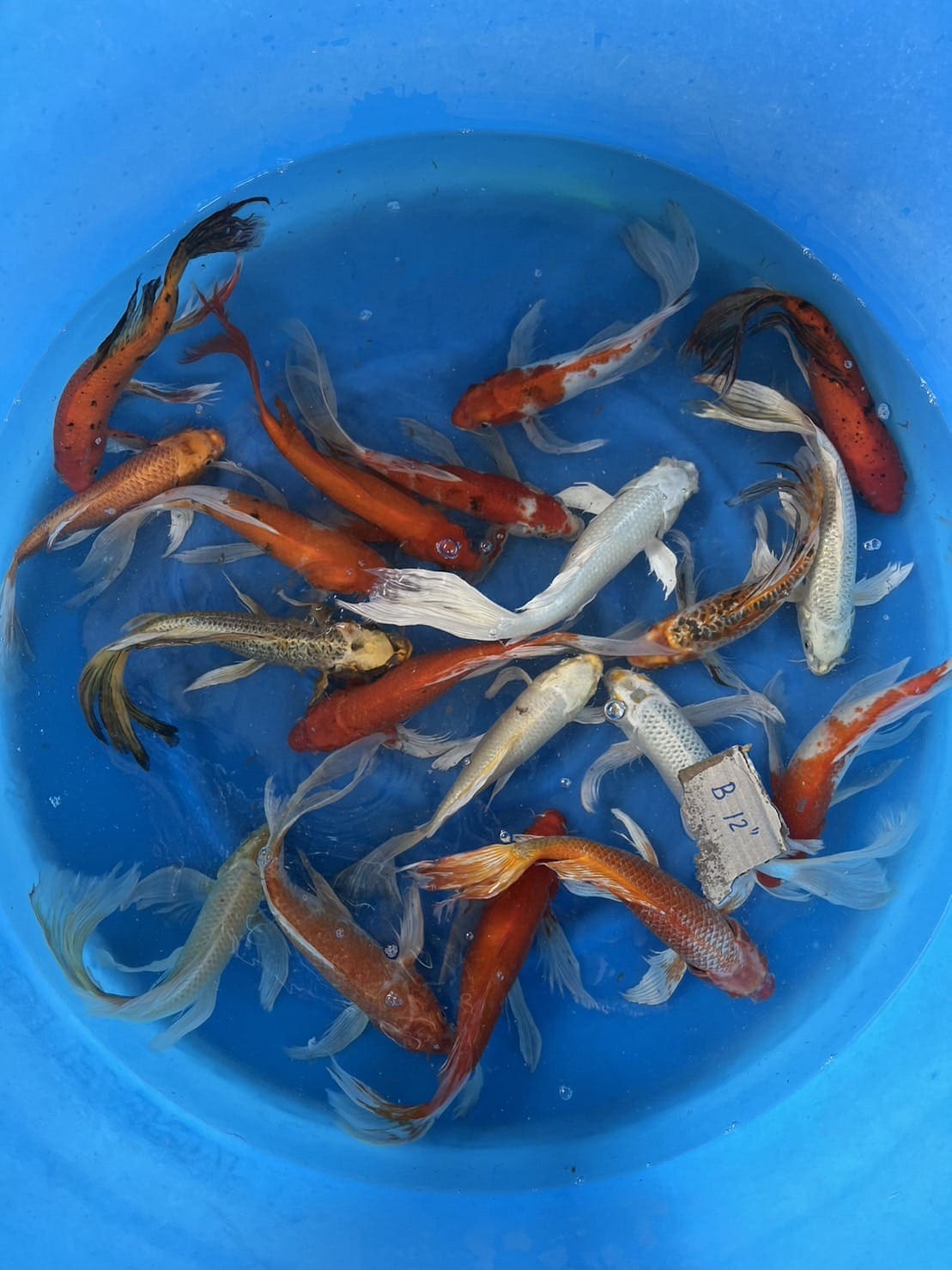
Purchase Koi carp normal and A grade from Thailand
Maipenrai Aquarium tropical fish exporter from Thailand
Koi carp, often simply called “koi,” are ornamental varieties of domesticated common carp that are kept for decorative purposes in outdoor ponds or water gardens. They are popular for their vibrant colors, patterns, and graceful swimming movements. Originally bred in Japan, koi carp come in a wide range of colors, including white, black, red, yellow, blue, and cream, and can feature various patterns such as Kohaku (white body with red markings), Taisho Sanshoku (white body with red and black markings), and Showa Sanshoku (black body with red and white markings).
In addition to their aesthetic appeal, koi are also valued for their longevity, with some individuals living for several decades under the right conditions. Proper care for koi includes maintaining clean water, providing adequate filtration, and ensuring proper nutrition. Koi are also known to be quite social and can even be trained to eat from their owners’ hands.
Keeping koi carp can be a rewarding hobby, but it requires careful planning and maintenance to ensure the health and well-being of the fish. Here are some key considerations for keeping koi carp:
Pond Setup: Koi need a spacious and well-designed pond to thrive. The pond should be large enough to accommodate the number of fish you plan to keep and should have a depth of at least three feet to provide sufficient space for swimming and protection from predators and temperature fluctuations.
Filtration: Proper filtration is essential for maintaining water quality in the koi pond. A combination of mechanical, biological, and UV filtration systems can help remove debris, harmful ammonia, and other waste products from the water.
Aeration: Adequate aeration is necessary to ensure that the water in the pond is properly oxygenated, which is vital for the health of the fish. Aeration can be achieved through the use of air pumps, waterfall features, or fountain jets.
Water Quality: Regular testing of water parameters such as pH, ammonia, nitrite, and nitrate levels is important to monitor water quality and make any necessary adjustments. Keeping the water clean and balanced helps prevent diseases and promotes the overall health of the koi.
Feeding: Koi should be fed a balanced diet that meets their nutritional needs. High-quality koi pellets are available commercially and should be supplemented with occasional treats such as fruits, vegetables, or live foods. It’s important not to overfeed, as this can lead to poor water quality and health problems for the fish.
Shelter and Shade: Providing shelter and shade in the pond, such as plants, rocks, or artificial structures, helps koi feel secure and protected from predators and harsh sunlight.
Health Monitoring: Regularly inspecting the koi for signs of illness or injury is important for early detection and treatment of any health issues. Quarantining new fish before introducing them to the main pond can help prevent the spread of diseases.
Winter Care: In colder climates, special attention should be paid to winterizing the koi pond to prevent freezing and ensure the survival of the fish. This may involve installing a pond heater, using aeration to keep a hole open in the ice, or moving the koi to an indoor tank for the winter.
By following these guidelines and staying attentive to the needs of your koi carp, you can create a healthy and beautiful environment for these fascinating fish to thrive in.
Feeding koi carp properly is essential for their health and vitality. Here are some guidelines for feeding koi:
Quality Food: Use high-quality koi pellets ( www.feed4fish.com) as the staple diet for your fish. These pellets are specifically formulated to provide the necessary nutrients for koi carp. Look for pellets with a balanced mix of proteins, fats, carbohydrates, vitamins, and minerals.
Feeding Schedule: Feed your koi carp 2-3 times a day, but be mindful not to overfeed. Overfeeding can lead to poor water quality and health issues for the fish. Only feed them an amount they can consume within a few minutes.
Seasonal Adjustments: Adjust the feeding amount and frequency based on the temperature and season. Koi are cold-blooded animals, so their metabolism slows down in cooler temperatures. Feed them less frequently and in smaller amounts during colder months.
Variety: While koi pellets should make up the bulk of their diet, you can also supplement their diet with occasional treats such as fruits, vegetables, or live foods like earthworms or shrimp. This variety can provide additional nutrients and enrichment for the fish.
Avoid Overfeeding: Uneaten food can quickly degrade water quality, leading to algae blooms and other problems. If you notice uneaten food after feeding, reduce the amount you’re feeding in the future.
Monitor Growth: Adjust the amount of food you’re feeding based on the growth and size of your koi carp. Younger fish and those in the growth phase may require more food to support their development, while older or smaller fish may need less.
Feed in Moderation: While it’s tempting to feed koi carp by hand, avoid excessive hand-feeding as it can lead to overfeeding and potentially aggressive behavior among the fish competing for food.
Water Temperature: Consider the water temperature when feeding. Koi are more active and have a higher metabolism in warmer water, so you may need to feed them more often during the summer months.
By following these feeding guidelines and maintaining a balanced diet for your koi carp, you can help ensure their overall health and well-being. Regular monitoring of their feeding habits and adjustment of feeding practices as needed will contribute to the success of your koi pond.
Maipenrai Aquarium – Oranda and Ranchu selected availability December 23-January 24
Maipenrai Aquarium has a large selection of high-selection Oranda and Ranchu available for its customers for the months of December and January. Don’t miss the videos below and don’t hesitate to contact us
Selecting healthy Oranda and Ranchu, both popular fancy goldfish breeds, involves similar criteria for assessing their overall health and appearance:
Body Shape: Look for a fish with a well-proportioned body that is not overly elongated or stunted. Ensure there are no signs of deformities, lesions, or abnormalities.
Head Growth (Wen for Orandas): For Orandas, the wen should be prominent, evenly distributed across the head, and free from discoloration or injuries. Ranchus have a prominent headgrowth called the “hood,” which should be smooth, evenly shaped, and without any blemishes.
Color and Markings: Both breeds come in various colors, so choose fish with vibrant, rich colors that are evenly distributed. Avoid individuals with patches, discoloration, or dullness in their coloring.
Finnage: Assess the fins for any tears, fraying, or damage. The fins should be well-developed and proportional to the body size.
Behavior: Healthy Orandas and Ranchus are active, responsive, and exhibit normal swimming behavior. Avoid fish that appear lethargic or stressed.
Tank Conditions: Check the tank or aquarium where the fish are kept. The environment should be clean, well-maintained, and have good water quality.
Source: Purchase fish from reputable breeders or stores known for quality and healthy fish. This minimizes the risk of introducing diseases or health issues into your aquarium.
Both Orandas and Ranchus are prized for their unique features. Orandas have the distinctive head growth (wen) while Ranchus have a prominent head shape. When selecting between the two, personal preference plays a significant role as their appearance differs notably, especially in the head region.
Red&Black – Fancy 12/14 cm
Ensure you have a suitable tank or aquarium set up with adequate space and appropriate filtration for the type and number of fish you plan to keep. Quarantine new fish before introducing them to an existing aquarium to prevent the spread of diseases.
Fancy Oranda
Taking your time to carefully observe and choose healthy specimens will contribute to a thriving and visually appealing aquatic environment for your Orandas, Ranchus, or any other fish you plan to keep.
Ranchu Hybrid
Ranchu Hybrid
Exporting coldwater fish involves several considerations to ensure their safe and healthy transport. Coldwater fish, such as various species of goldfish, koi, and other temperate freshwater species, are often exported for ornamental purposes.
Panda Oranda 12/14
Panda Oranda 12-14 cm
Here are steps and considerations when exporting these fish:
Legal Requirements: Check and comply with both the exporting country’s and importing country’s regulations regarding the exportation and importation of live fish. This includes obtaining necessary permits, health certificates, and meeting specific quarantine requirements.
Health Checks: Ensure that the fish are healthy and disease-free before export. Health certificates might be required, so work with a qualified veterinarian or fish health professional to certify the fish’s health status.
Packaging and Transport: Use appropriate packaging and transportation methods to ensure the well-being of the fish during transit. This includes using oxygenated bags or containers, padding to prevent physical stress or injury, and temperature-controlled packaging if necessary.
Water Quality: Maintain good water quality during transportation. Consider adding appropriate water conditioners and oxygenation to keep the water parameters stable and conducive to the fish’s well-being.
Shipping Logistics: Work with reliable shipping companies experienced in transporting live aquatic animals. Choose shipping methods that minimize stress and travel time for the fish.
Documentation: Ensure all necessary documentation, including invoices, packing lists, health certificates, and any other required paperwork, is in order and accompanies the shipment.
Communication: Maintain communication with both the importer and the shipping company to ensure a smooth and timely delivery. Provide clear instructions on handling and receiving the shipment.
Quarantine Procedures: After arrival at the destination, the fish may need to undergo quarantine procedures as per the importing country’s regulations to ensure they pose no risk of introducing diseases.
Always consider the well-being of the fish throughout the export process. Minimize stress during handling, ensure appropriate water conditions, and provide necessary care to maintain their health during transportation.
Oranda Short Tail
Working closely with experienced exporters, adhering to regulations, and providing proper care and handling of the fish will increase the chances of a successful export while ensuring the fish arrive safely and in good condition at their destination.
The Tetraodon suwatti, also known as the Arrowhead Puffer, is a species of freshwater pufferfish native to Southeast Asia, particularly found in Thailand, Laos, and Cambodia. This species is known for its striking appearance and unique behaviors.
They typically inhabit slow-moving or still waters in rivers and streams, preferring areas with vegetation and hiding spots. Tetraodon suwatti are carnivorous and have a diet consisting primarily of small invertebrates, snails, crustaceans, and occasionally plant matter.
One of the most notable characteristics of Tetraodon suwatti is its ability to inflate its body with water or air when threatened, making it appear much larger to potential predators. This defensive behavior serves as a deterrent against predators.
Aquarists find Tetraodon suwatti intriguing due to their distinctive appearance and behaviors. However, they require specific care in captivity, including a well-maintained environment with ample space, proper water parameters, and a suitable diet to thrive.
Please note that keeping pufferfish, including Tetraodon suwatti, requires specialized knowledge and care due to their specific needs and behaviors. It’s important to research and understand their requirements thoroughly before considering them as pets.
Tetraodon suwatti, like many other pufferfish species, are carnivorous and have specific dietary needs. In their natural habitat, they primarily feed on small invertebrates, snails, crustaceans, and occasionally plant matter. When kept in captivity, it’s essential to provide them with a varied and balanced diet to ensure their health and well-being.
Here are some suitable food options for feeding Tetraodon suwatti:
Live Foods: Offer live foods such as small snails, earthworms, bloodworms, brine shrimp, and small crustaceans. These live foods simulate their natural hunting behavior and provide essential nutrients.
Frozen Foods: Frozen foods like bloodworms, brine shrimp, mysis shrimp, and krill are excellent choices. Thaw them before feeding to make them easily consumable.
High-Quality Pellets: Select high-quality, sinking pellets specifically formulated for carnivorous fish or pufferfish. Ensure the pellet size is appropriate for the size of your Tetraodon suwatti.
Snails: Snails can be a natural part of their diet and also help to wear down their continuously growing teeth. However, avoid introducing snails collected from the wild due to potential parasite or disease transmission. Instead, consider purchasing snails from a reputable source.
Occasional Plant Matter: Although primarily carnivorous, offering occasional plant matter like blanched vegetables (such as zucchini, cucumber, or spinach) can be beneficial as a source of fiber.
It’s crucial to avoid overfeeding pufferfish, as they can be prone to obesity-related health issues. Feed them small amounts multiple times a day, which mimics their feeding habits in the wild.
Observing their behavior during feeding can help determine their preferences and adjust their diet accordingly. Always ensure the water quality remains pristine as overfeeding can lead to deteriorating water conditions.
Remember, providing a varied diet is essential for their overall health. Consult with experienced aquarists or seek guidance from a veterinarian specializing in exotic fish to ensure you’re meeting the dietary requirements of Tetraodon suwatti appropriately.
The black ranchu is a variety of fancy goldfish known for its unique appearance and distinctive features. Ranchu goldfish are characterized by their egg-shaped bodies, lack of a dorsal fin, and a prominent hood or “wen” on the head. This hood is more pronounced in some varieties than others.
The black ranchu specifically refers to a ranchu goldfish with a deep, solid black coloration covering its body. These fish are highly sought after by collectors and enthusiasts due to their striking appearance. The black coloration can vary in intensity, ranging from a jet-black hue to a slightly lighter shade with hints of metallic or iridescent sheen.
Like other ranchu varieties, black ranchus require proper care and maintenance to thrive. They do best in spacious tanks with excellent water quality, adequate filtration, and regular maintenance routines. Providing a balanced diet and ensuring they have a suitable environment will help them stay healthy and display their vibrant colors to their full potential.
It’s essential to note that while black ranchus are beautiful, they may be more challenging to find compared to other goldfish varieties, and their prices can vary depending on factors such as size, color intensity, and the breeder’s reputation. As with any fish species, it’s crucial to acquire them from reputable sources to ensure they are healthy and well-cared for before bringing them into your own aquarium.
Black Ranchu
In Thailand, there are reputable breeders known for producing high-quality black ranchu goldfish. Thai breeders are often recognized for their expertise in selectively breeding and developing different varieties of ornamental fish, including goldfish like the black ranchu.
These black ranchu specimens are often prized for their deep, solid black coloration and their adherence to the classic ranchu characteristics, such as the distinctive body shape, lack of a dorsal fin, and the presence of a prominent head growth or “wen.”
Thai breeders are known for their attention to detail in maintaining the quality and health of their fish. They prioritize proper breeding practices, providing optimal care, and often adhere to strict standards to produce top-tier specimens.
Feeding black ranchu goldfish follows similar principles to feeding other varieties of ranchu or fancy goldfish. Here are some guidelines to ensure their nutritional needs are met:
Quality Food: Offer high-quality goldfish pellets or flakes specifically formulated for fancy goldfish. Look for options that contain a balanced blend of proteins, vitamins, and minerals essential for their health.
Variety in Diet: Supplement their diet with a variety of foods. Include live or frozen foods like bloodworms, brine shrimp, daphnia, and blanched vegetables (peas, zucchinis) to add nutritional diversity.
Moderation: Avoid overfeeding, as goldfish can easily overeat, leading to health issues. Offer food in small amounts a few times a day, enough for them to consume within a few minutes.
Soaking Dry Food: Ranchus can be prone to buoyancy problems, so consider soaking dry food before feeding to help prevent swim bladder issues. Soaking pellets or flakes in tank water for a few minutes before feeding can make them easier to digest.
Avoid Overly Fatty Foods: While ranchus can have a more rounded body shape, excessive fatty foods can cause health problems. Balance their diet with proper nutrition to prevent obesity-related issues.
Observation: Monitor their feeding habits and adjust the amount and type of food according to their needs. Not all fish have the same appetite, so being observant can help you tailor their diet more accurately.
Remember that maintaining a clean tank with good water quality is crucial for their overall health and digestion. Regular water changes and adequate filtration will ensure a healthy environment for your black ranchu goldfish.
It’s a good practice to research and understand the specific needs of black ranchus as they might have certain preferences or sensitivities that differ from other goldfish varieties. Always consult with a vet or experienced fish keeper if you notice any unusual behavior, health issues, or have specific concerns about their diet.
The Green Spotted Puffer fish, scientifically known as Tetraodon nigroviridis, is a fascinating and popular freshwater/brackish water fish species within the aquarium hobby. They’re recognizable for their unique appearance, characterized by greenish-yellow coloring with distinctive black spots or markings covering their bodies. Here are some key points about Green Spotted Puffer fish:
Appearance: These puffer fish have a relatively elongated body with a round belly. Their skin is covered in small, distinctive greenish-yellow spots, giving them their name. They have large eyes and a unique beak-like mouth adapted for their omnivorous diet.
Habitat: Originally from freshwater habitats in Southeast Asia, they’re found in various freshwater environments such as rivers, estuaries, and brackish waters.
Tank Setup: Keeping Green Spotted Puffer fish requires specific care. They need a well-maintained aquarium with plenty of space to swim and explore. A minimum tank size of about 30 gallons for a single fish is recommended, and a larger tank is necessary for a community or multiple puffers.
Water Parameters: These fish prefer slightly brackish water conditions but can also adapt to full freshwater. Parameters like pH around 7.0–8.5, a water temperature between 75-82°F (24-28°C), and moderate hardness are suitable for their well-being.
Diet: Green Spotted Puffers are omnivores with a preference for meaty foods. Their diet should include a variety of foods such as small live or frozen invertebrates (like bloodworms, brine shrimp, snails), along with occasional plant matter or vegetables to help wear down their continuously growing teeth.
Behavior: They are known for their curious and intelligent nature. However, they can also be aggressive, especially towards their own species or other tank mates. It’s advised to keep them singly or in groups of odd numbers to reduce aggression.
Compatibility: They might not be suitable for community tanks due to their territorial and sometimes aggressive behavior. Careful selection of tank mates is necessary, and it’s often recommended to keep them with similar-sized or equally aggressive fish species.
Care and Attention: Regular water changes, maintaining good water quality, and providing a varied and balanced diet are crucial for the health of Green Spotted Puffer fish.
Remember, keeping puffer fish, including the Green Spotted Puffer, requires a commitment to proper care and suitable tank conditions. It’s essential to research thoroughly and set up their environment appropriately to ensure their well-being.
Green Spotted Puffer fish can be quite territorial and sometimes aggressive, so choosing tank mates requires careful consideration to ensure compatibility. Here are some guidelines and suggestions for suitable tank mates:
Similar-sized and Equally Aggressive Fish: Sometimes, other puffer species or fish known for their resilience and assertiveness can cohabit with Green Spotted Puffers. However, this can be risky due to potential aggression between them.
Species That Occupy Different Tank Levels: Fish that dwell in different parts of the tank, such as top-dwellers, mid-level swimmers, or bottom-feeders, might coexist better with Green Spotted Puffers. Examples include certain tetras, danios, or peaceful catfish species like Corydoras.
Brackish Water Fish: Since Green Spotted Puffers can tolerate slightly brackish water, you could consider some brackish water species as tank mates. Archerfish, mollies, some goby species, or monos could potentially cohabit with them.
Avoid Slow-moving or Long-finned Fish: Puffers might nip at the fins of slow-moving or long-finned fish, causing stress or injury. Avoid keeping them with species like angelfish or bettas.
Individual Preference: Remember, each fish has its personality, so there might be variations in behavior even among the same species. Observation and readiness to make changes if aggression occurs are crucial.
It’s important to have a backup plan and be ready to separate tank mates if aggression becomes an issue. Providing hiding spots and sufficient space can sometimes help reduce stress and aggression among tank mates.
The Oranda is a type of goldfish characterized by its distinctive raspberry-like growth on the head, known as a wen. This wen typically covers the entire head and extends down to the sides of the face. The Giant Oranda is a variation of the Oranda goldfish that is selectively bred for a larger size compared to the regular Oranda.
Orandas are popular aquarium fish and are known for their graceful swimming behavior and attractive appearance. They come in various colors, including red, orange, black, blue, and more. The Giant Oranda, as the name suggests, is bred to be larger than standard-sized Orandas. The size and shape of the wen can also vary among individual fish.
Proper care for Giant Orandas, like other goldfish, involves providing a spacious tank with good filtration, maintaining water quality, and offering a balanced diet. Goldfish are known for producing a significant amount of waste, so regular water changes and monitoring of water parameters are essential for their well-being. Additionally, these fish are coldwater species, so they prefer cooler temperatures compared to tropical fish.
It’s important to note that Giant Orandas and other goldfish can be delicate, and their care requirements may differ from those of other types of aquarium fish. If you’re considering keeping a Giant Oranda or any goldfish, it’s recommended to research their specific needs and be prepared to provide them with appropriate care.
Giant Oranda Tricolor
Feeding Giant Orandas, like other goldfish, involves providing a balanced and nutritious diet to support their health and growth. Here are some guidelines for feeding Giant Orandas:
High-Quality Pellets or Flakes:
Choose a high-quality pellet or flake food specifically designed for goldfish. These foods are formulated to meet the nutritional needs of goldfish, including Giant Orandas.
Variety in Diet:
While pellets or flakes are the primary staple, it’s essential to offer a varied diet. You can supplement their main diet with treats such as freeze-dried or frozen brine shrimp, bloodworms, and daphnia. This variety helps ensure they receive a diverse range of nutrients.
Portion Control:
Feed your Giant Orandas small portions multiple times a day instead of one large feeding. This approach helps prevent overeating, reduces waste, and maintains water quality in the aquarium.
Avoid Overfeeding:
Goldfish, including Giant Orandas, are prone to overeating, which can lead to health issues and water quality problems. Feed them an amount they can consume within a few minutes, and remove any uneaten food.
Fresh Vegetables:
Goldfish can benefit from the occasional offering of fresh vegetables. Blanched or boiled vegetables such as spinach, lettuce, and peas can be chopped into small, bite-sized pieces and offered as treats. This adds variety to their diet and provides essential fiber.
Live Plants:
If you have live plants in the aquarium, they can nibble on the softer parts of the plants. However, not all plants are suitable for goldfish, so choose goldfish-safe plants if you decide to include live plants in the tank.
Supplements:
Consider adding vitamin and mineral supplements to their diet occasionally, especially if you notice any signs of nutrient deficiency.
Monitor Growth and Health:
Keep an eye on the growth and overall health of your Giant Orandas. Adjust their diet as needed, and be attentive to any signs of illness or abnormal behavior.
Remember that the specific dietary requirements may vary among individual fish, and it’s essential to observe and adjust their diet based on their health and condition. Always follow the recommended guidelines provided by the manufacturer of the fish food you choose.
Panda/Lemon Head Giant Oranda
Panda Giant Oranda
Acclimating Giant Oranda or any other fish to a new environment is a crucial step to ensure their well-being and reduce stress. Here’s a general guide on how to acclimate Giant Orandas to their new aquarium:
Temperature Adjustment:
Check and match the temperature of the water in the bag or container containing the Giant Oranda with the temperature of the water in the new aquarium. This helps prevent temperature shock.
Floating Method:
Float the sealed bag or container with the Giant Oranda on the surface of the aquarium water for about 15-20 minutes. This allows the temperature inside the bag to gradually adjust to the temperature of the aquarium.
Gradual Mixing:
Open the bag or container and add a small amount of aquarium water into it. Allow the Giant Oranda to acclimate to the new water parameters gradually. Repeat this process every 5-10 minutes.
pH and Water Chemistry:
If there are significant differences in pH or water chemistry between the water in the bag and the aquarium, consider adding small amounts of aquarium water to the bag over time to allow the fish to acclimate.
Net Transfer:
Once the Giant Oranda has been in the water for an extended period and seems acclimated, use a soft net to transfer the fish from the bag or container to the aquarium. Avoid transferring water from the bag into the aquarium.
Observation:
Monitor the Giant Oranda closely after introducing it to the new aquarium. Pay attention to its behavior and look for signs of stress or illness.
Dim Lighting:
Dim the lights in the aquarium for the first few hours or even the first day. This helps reduce stress for the newly introduced fish.
Quarantine Tank:
If possible, consider using a quarantine tank for new arrivals. This allows you to observe the Giant Oranda in a controlled environment before introducing it to the main aquarium.
Remember, the key to successful acclimation is to make the transition gradual, minimizing stress on the fish. Additionally, it’s a good practice to quarantine new fish to prevent the introduction of diseases into the established aquarium. Always follow any specific guidelines provided by the seller or breeder when acclimating Giant Orandas or any other
Si avvicina la decima edizione di Petsfestival 2023 presso la fiera di Cremona (Italy)
Anche quest’anno si terra’ a Cremona, da sabato 14 a Domenica 15 Ottobre, PetsFestival, la fiera dedicata al mondo degli animali da compagnia. La manifestazione e’ un punto di riferimento per gli amanti degli animali , ma non solo. Nel corso degli anni, la fiera ha interessato e richiamato sempre piu’ pubblico, attirando l’attenzione dei piu’ importanti operatori di settore che, con la loro presenza, sono ormai parte integrante di questo evento. Grazie alla loro presenza, il pubblico, come ogni anno, potra’ scoprire e visionare in anteprima tutte le novita’ del settore, per migliorare il benessere dei propri animali e per prendere spunto per progetti e idee future.
Ma PetsFestval non e’ solo questo, e’ molto altro ancora: oltre ad interessanti conferenze tenute dai piu’ importanti esperti del mondo degli animali da compagnia, quest’anno la fiera ospitera’ per la prima volta International Shrimp Contest, un concorso dedicato ai gamberetti di caratura internazionale.
A International Shrimps Contest saranno presenti giudici internazionali provenienti da tutta Europa e le categorie in gara durante l’evento saranno le seguenti:
Neocaridina Davidi – Red, Yellow & Orange Color (Red Cherry, Red Sakura, Bloody Mary, Yellow Fire, Yellow Fire Neon, Orange Sakura, Orange Pumpkin)
Neocaridina Davidi – Blue, Black, Brown & Green
Neocaridina Davidi – All Rili
Caridina sp. Red Bee All Grades
Caridina sp. Black Bee All Grades
Caridina sp. Super Crystal Red all pattern
Caridina sp. Super Crystal Black all pattern
Caridina sp. Tiger Shrimps “Stripped Variants”
Caridina sp. Tiger Shrimps Full Color OE & non
Caridina sp. Red Shadow Bee – All Pattern
Caridina sp. Black Shadow Bee – All Pattern
Caridina sp. Blue & Red Bolts, Blue & Red Steel, Snow White & PWL
Caridina sp. Pinto Black & Red Spotted Head
Caridina sp. Pinto Balck & Red Multistripes
Caridina sp. Fishbone & Galaxy Red & Black
Caridina sp. Galaxy Boa Red & Black
Caridina sp. Fancy Tiger Red & Black
Caridina sp. “Crossbreed”
Noi di Maipenrai Aquarium parteciperemo a questa competizione all’interno della Categoria 1:
Neocaridina davidi con colorazioni “Red. Yellow, Orange”
Ma non saremo gli unici allevatori in gara dall’estero: durante questa competione infatti e’ prevista anche la partecipazione di concorrenti da Germania, Taiwan, Singapore, Ungheria, Francia, Olanda, Polonia, Romania, Belgio e noi ,di Maipenrai Aquarium, per la Thailandia.
Non perdete questo appuntamento internazionale all’interno di PetsFestival 2023 dove potrete vosservare con I vostri occhi I migliori gamberetti provenienti da tutto il mondo.
Maipenrai Aquarium – New availability of selected guppies – Aquarium Tropical fish Exporter
“Guppy high selection” likely refers to a process of selectively breeding guppies to emphasize specific desirable traits, such as coloration, fin shape, or size, in order to produce high-quality or “high-grade” guppies.
In high selection breeding programs, breeders carefully choose parent fish with the desired characteristics and continue to selectively breed offspring that exhibit those traits. Over time, this can lead to the development of strains of guppies that are particularly impressive in terms of their appearance.
The term “high selection” emphasizes the rigorous process of choosing only the best specimens for breeding, with the goal of achieving a high level of quality and consistency in the resulting offspring. This is a common practice among serious guppy enthusiasts and breeders who are looking to produce show-quality guppies or create unique and visually stunning strains.
Keep in mind that the specifics of high selection breeding can vary depending on the particular traits a breeder is focusing on and their personal goals for their guppy lines. It’s also important to note that ethical breeding practices prioritize the health and well-being of the fish above all else.