Categories
News

Microdevario kubotai – Rasbora kubotai for sale in Thailand

Rasbora kubotai for export

Maipenrai Aquarium Tropical Fish Exporter
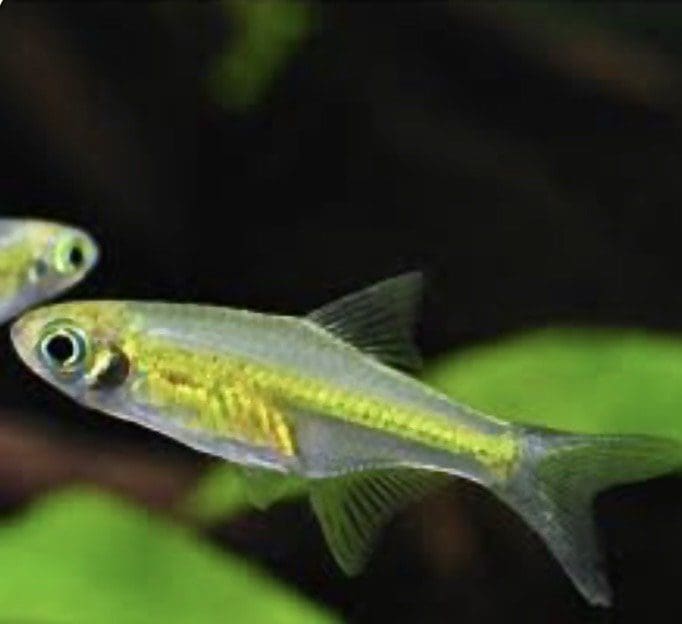
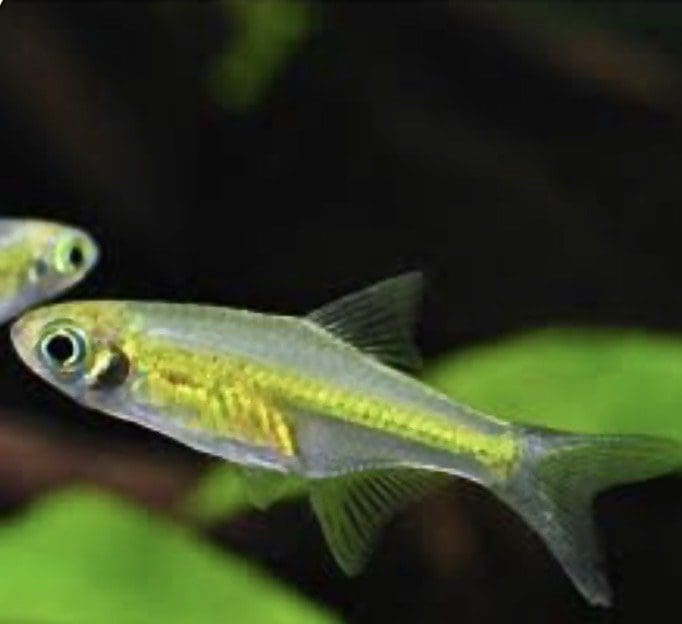
Rasbora kubotai

Rasbora kubotai, also known as Kubotai rasbora or neon yellow rasbora, is a small freshwater fish species native to the Ataran River basin in Myanmar. They are popular among aquarium hobbyists due to their striking appearance, with a bright yellow body and dark markings on their fins.

In the wild, they are typically found in slow-moving streams and tributaries, and prefer water with a pH range of 6.0 to 7.5 and a temperature range of 72 to 79°F (22 to 26°C). They are peaceful and social fish that should be kept in groups of at least six individuals.

Kubotai rasboras are omnivores and will readily accept a variety of foods, including flakes, pellets, frozen and live foods. They are relatively easy to care for and can thrive in a well-maintained aquarium with suitable water conditions and regular feeding.

To take care of Rasbora kubotai, you should ensure that their aquarium provides suitable water conditions and appropriate food. Here are some tips to help you take care of them:

  1. Aquarium size: Kubotai rasboras are small fish that only grow up to about 2 inches (5 cm) in length, but they are active swimmers that require swimming space. A 20-gallon (75-liter) aquarium is sufficient to keep a small group of Rasbora kubotai.
  2. Water parameters: These fish prefer soft to moderately hard water with a pH range of 6.0 to 7.5 and a temperature range of 72 to 79°F (22 to 26°C). Regular water changes and water testing are important to maintain water quality.
  3. Filtration: A good filtration system is essential to keep the aquarium water clean and healthy. A filter with a gentle water flow is ideal as Kubotai rasboras prefer slow-moving water.
  4. Lighting: These fish prefer dim lighting, so it’s best to provide them with low to moderate lighting in the aquarium.
  5. Tank mates: Kubotai rasboras are peaceful and social fish that should be kept in groups of at least six individuals. They are compatible with other peaceful fish species that share similar water parameters.
  6. Diet: Kubotai rasboras are omnivores and will accept a variety of foods, including flakes, pellets, frozen, and live foods. It’s best to offer them a varied diet to ensure they receive all the necessary nutrients.
  7. Behavior: These fish are active swimmers and prefer a heavily planted aquarium with plenty of hiding places. Providing a suitable environment can help reduce stress and promote natural behavior.

By following these care tips, you can help ensure that your Rasbora kubotai thrive in your aquarium.

R. kubotai

Rasbora kubotai is an active and social fish species that displays interesting behaviors. Here are some of their typical behaviors:

  1. Shoaling: Kubotai rasboras are social fish that prefer to be kept in groups of at least six individuals. They form tight shoals and swim together in the middle and upper levels of the aquarium.
  2. Active swimming: These fish are active swimmers and love to explore their surroundings. They are always on the move, darting and swimming around the aquarium, especially when they are feeding.
  3. Hiding behavior: Kubotai rasboras are shy fish and need plenty of hiding places to feel secure. They prefer a heavily planted aquarium with lots of vegetation, rocks, and driftwood.
  4. Jumping: Kubotai rasboras have been known to jump out of the aquarium, so it’s important to ensure that the tank has a secure lid to prevent any accidents.
  5. Mating behavior: During breeding, males will chase and display to females by flaring their fins and darting around them. Females will select a male to mate with, and the pair will engage in a spawning ritual.

Observing these behaviors can be fascinating for aquarium hobbyists and can provide insight into the natural behavior of these fish in the wild.

Breeding Rasbora kubotai in the aquarium is possible with the right conditions. Here are some tips for breeding them:

  1. Separating sexes: To breed Rasbora kubotai, you need to have a male and female pair. It can be difficult to distinguish between males and females, but during breeding season, males will display more intense colors and have more elongated dorsal and anal fins.
  2. Breeding tank: A separate breeding tank is recommended for breeding. The tank should be heavily planted with fine-leaved plants, such as Java moss or spawning mops, to provide hiding places for the eggs.
  3. Conditioning: You need to condition the breeding pair with a varied and high-quality diet. Live foods, such as brine shrimp, daphnia, and mosquito larvae, can help stimulate breeding behavior.
  4. Spawning: Once the breeding pair is ready, the male will chase the female around the aquarium, displaying his fins and nudging her abdomen. When the female is ready, she will release her eggs, which the male will fertilize. The eggs will then attach to the fine-leaved plants or spawning mops.
  5. Rearing fry: After spawning, remove the adult fish from the breeding tank to prevent them from eating the eggs and fry. The eggs will hatch in about 24 to 36 hours, and the fry will become free-swimming after about four days. Feed them with infusoria or liquid fry food for the first few days and gradually transition to crushed flakes or baby brine shrimp.

Breeding Rasbora kubotai can be challenging, but with the right conditions and care, it is possible to successfully breed and rear their fry.

Categories
News

How To Place Order For Tropical Fish From Thailand – Maipenrai Aquarium Tropical Fish Exporter

The best and easy way to order tropical and cold water fish

Very often, even customers with a lot of experience in this sector, when they are about to import tropical fish for the first time, do not know how to proceed in the best and easiest way.

Maipenrai Aquarium Tropical Fish Exporter, in addition to offering healthy and quality fish, always offers all the necessary assistance.

In any case, below we summarize the basic concepts and steps to best guide customers towards this simple process.

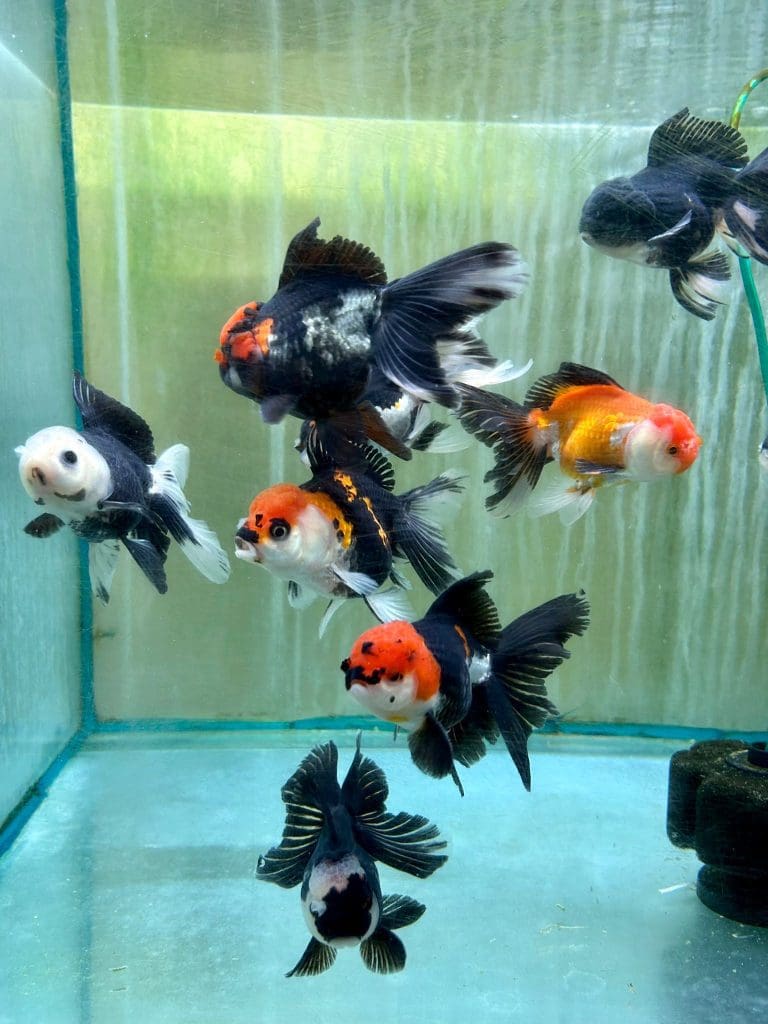
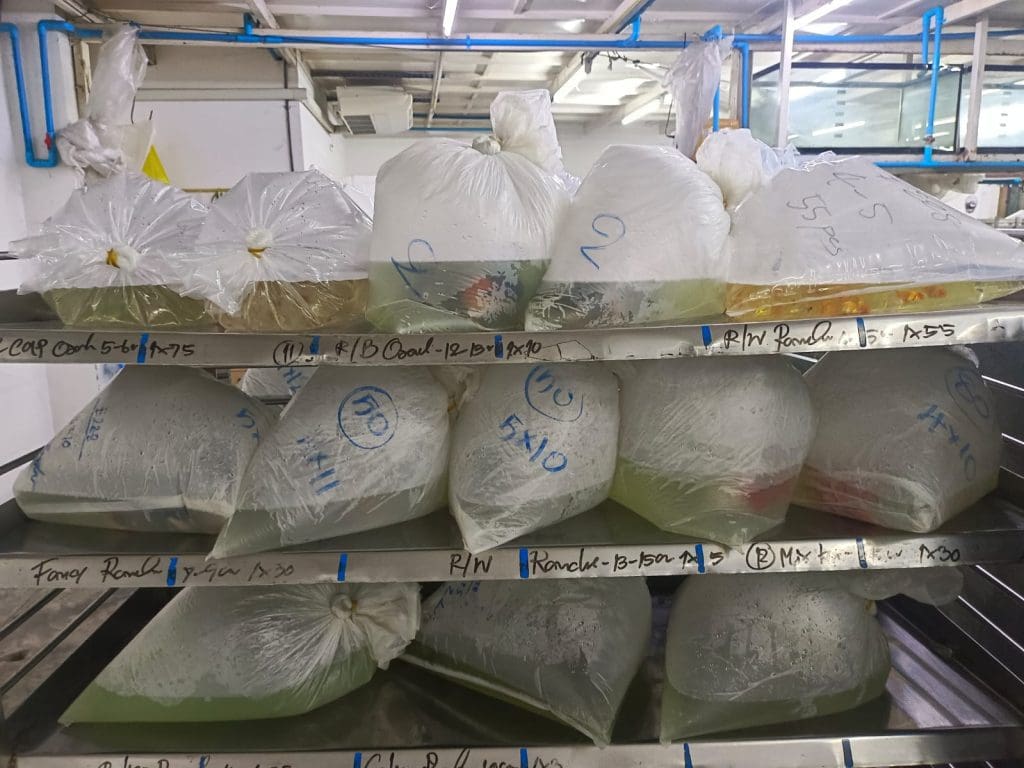
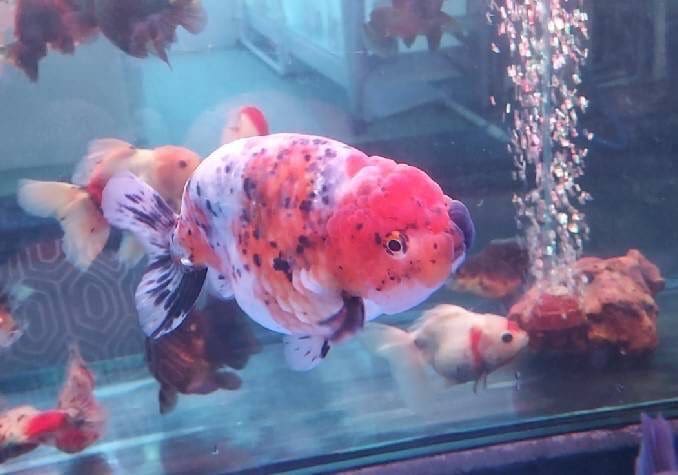
Oranda Packing Process

1) Check that you have all the necessary requirements to import tropical fish from Thailand (licenses, permits, authorizations, etc.)

2) Each airline has a so-called pivot, i.e. a minimum quantity that can be accepted for carriage: normally this quantity is never less than 100 kilos (5 boxes), but, in some periods of the year, it can be even higher.

Independently verifying the achievement of this minimum quantity is very simple: each species present in our list is divided into minimum salable units (1/8, 1/4, 1/2, 3/4, 1) and it is sufficient to add these units to reach the amount of fish needed to fill a box

Foam boxes for tropical fish shipment/export

3) Verify that you have adequate structures and skills to receive the fish in the best possible way after importation (the journey, as is known, is a very high stress factor for fish and it is necessary to prepare all the precautions for it to get better )

4) Proceed with sending the order: at this point we will reply quickly with a proforma invoice including shipping costs and all ancillary costs (packaging, airport transport, cost of the waybill (AWB) etc.

5) Interact with a customs clearance agent at least one week to get the assistance needed to make sure everything is in order by the time of the final fish receiving process

6) After completing the customs procedures, inform us of the exact collection time and check the packages (in case there is any damage, we advise you to inform us promptly).

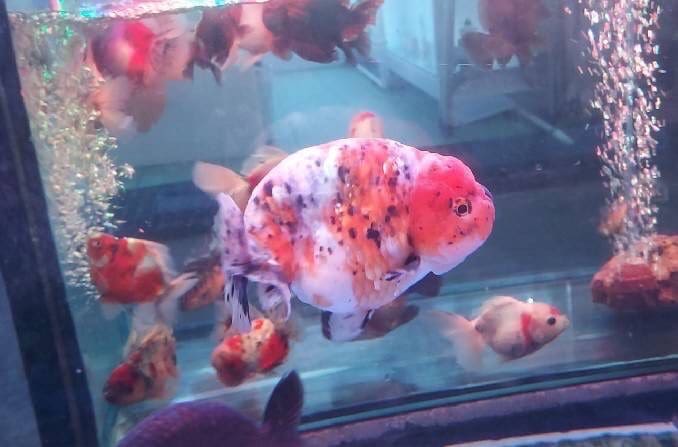
Prepacking tanks for Oranda

7) Once it reaches your company, we advise you to start the adaptation process as soon as possible, starting with those species and varieties that can be more sensitive and delicate during transport (large size Oranda, Tigerfish, Arowana etc ) carefully checking, in addition to the water values, also the temperature of the final tank.

8) In the event of a fatality on arrival (DOA) – normally well below 5% – we ask our customers to take photos or videos as detailed as possible if possible in order to be able to proceed with the complaint procedure. Thank you to which they will be able to immediately receive a credit referring to the losses of fish suffered

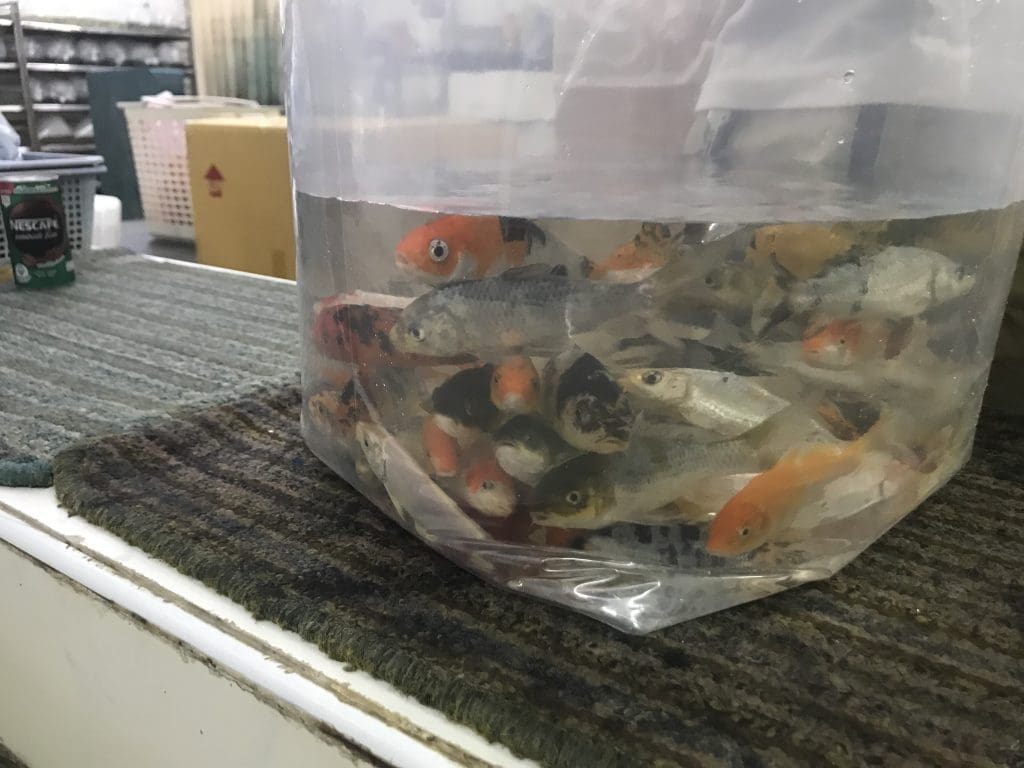
Koi Carp ready to be shipped
Categories
News

Brackish water – Import/Export brackish water fish from Thailand

Brackish water fish: Maipenrai Aquarium Tropical Fish Exporter

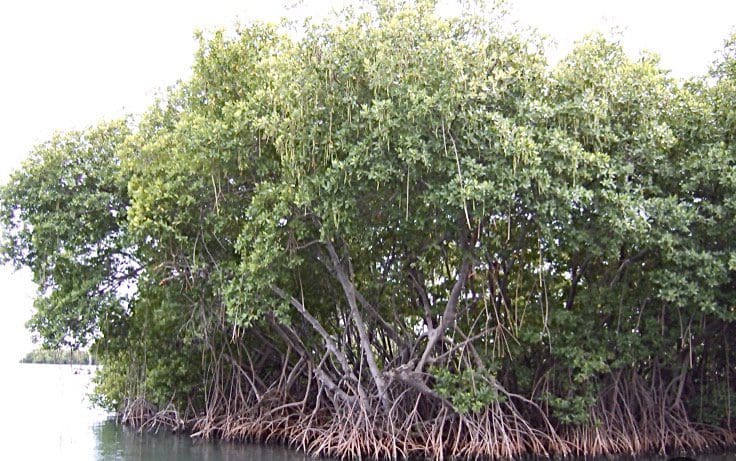
Brackish water is a type of aquatic environment that has a salinity level that is higher than freshwater but lower than seawater. It is typically found in estuaries, mangrove swamps, and other coastal areas where freshwater and saltwater mix.

The salinity level of brackish water can vary widely, ranging from about 0.5 to 30 parts per thousand (ppt). This can have a significant impact on the types of plants and animals that can survive in this environment.

Some fish and invertebrates are adapted to live in brackish water, including certain species of mollies, guppies, and some types of shrimp. However, not all fish and invertebrates can tolerate the varying salinity levels found in brackish water.

If you are interested in keeping fish or invertebrates in a brackish water aquarium, it’s important to research the specific needs of the species you are interested in and ensure that you are providing the appropriate water conditions. This may involve carefully adjusting the salinity level of the water and providing the right type of filtration and lighting.

Overall, brackish water can provide a unique and interesting environment for fish and invertebrates, but it requires careful attention to water chemistry and the specific needs of the organisms you are keeping.

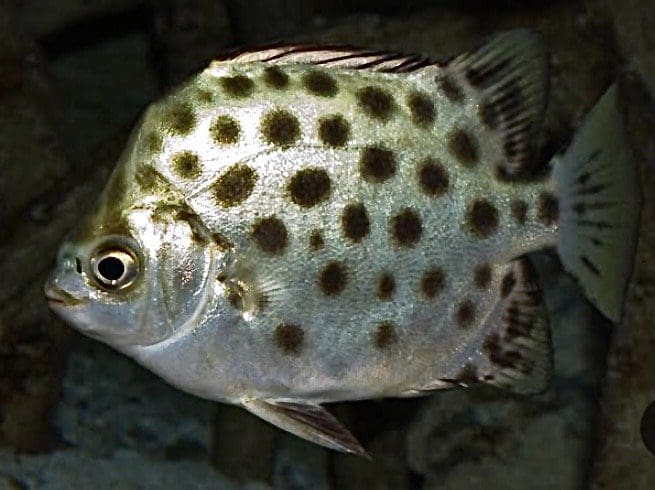
Scat fish

A brackish environment is a transitional zone between freshwater and saltwater, where the salinity level of the water is higher than freshwater but lower than seawater. This type of environment is typically found in coastal areas such as estuaries, mangrove swamps, and lagoons where freshwater from rivers and streams mixes with seawater from the ocean.

The salinity levels in a brackish environment can vary depending on factors such as tides, rainfall, and evaporation. The fluctuating salinity levels can create a challenging and dynamic environment for aquatic life, and only certain species have evolved to thrive in this unique environment.

In a brackish environment, you may find a variety of fish species such as guppies, mollies, archerfish, and some types of gobies. Additionally, you may find invertebrates such as shrimp, crabs, and snails. However, not all fish and invertebrates can tolerate the varying salinity levels found in brackish water.

Maintaining a healthy and stable brackish environment can be a challenge and requires careful attention to water chemistry, filtration, and lighting. It’s important to research the specific needs of the species you plan to keep in your brackish environment and ensure that you are providing the appropriate conditions for their survival.

Overall, a brackish environment can provide a unique and interesting habitat for aquatic life, but it requires careful attention to the specific needs of the organisms you are keeping.

Some commomn fish can be found in brackish water are:

Mudskippers are a type of fish that are well adapted to living in intertidal zones, which are areas of shorelines that are exposed to air during low tide and submerged during high tide. They are found in brackish and freshwater habitats in tropical and subtropical regions of the world.

Mudskippers are known for their unique ability to breathe air through their skin and the lining of their mouth, throat, and pharynx. This adaptation allows them to survive in oxygen-poor mudflats and intertidal zones. Mudskippers also have modified pectoral fins that can be used to move on land and climb vertical surfaces.

Mudskippers are carnivorous and feed on a variety of small invertebrates, such as crustaceans, insects, and mollusks. In captivity, they can be fed a variety of frozen and live foods, including brine shrimp, bloodworms, and small pieces of fish.

Mudskippers are a fascinating and unique species to keep in a specialized aquarium. However, they require specific water conditions, such as brackish water with a specific gravity between 1.005 and 1.020, and a well-aerated substrate. It’s important to research the specific needs of mudskippers before keeping them in captivity.

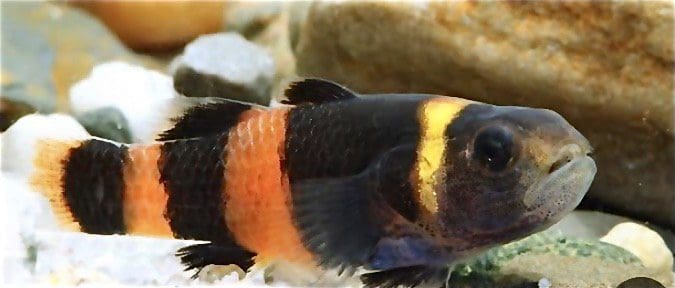
Brachigobius doriae, also known as the Bumblebee Goby, is a small, peaceful fish that is native to brackish water environments in Southeast Asia. They are known for their striking black and yellow striped pattern, which resembles the markings of a bumblebee.

Bumblebee gobies are bottom-dwelling fish that are well suited for small aquariums. They typically reach a maximum size of around 1.5 inches, making them ideal for nano aquariums. Bumblebee gobies are also peaceful and can be kept with other small, peaceful fish that can tolerate brackish water conditions.

Bumblebee gobies are omnivores and can be fed a variety of frozen and live foods, such as bloodworms, brine shrimp, and small pieces of fish. It’s important to provide a varied diet to ensure that they receive all of the necessary nutrients.

When keeping Bumblebee gobies in captivity, it’s important to provide a suitable environment that mimics their natural habitat. This includes brackish water with a specific gravity between 1.005 and 1.015, and a well-aerated substrate with plenty of hiding places.

Overall, Bumblebee gobies are a unique and interesting species that can make great additions to a specialized brackish water aquarium.

Dermogenys pusillus, also known as the Halfbeak, is a small fish that is native to brackish and freshwater habitats in Southeast Asia, Japan, and Australia. Halfbeaks are known for their distinctive elongated lower jaw, which gives them a unique and interesting appearance.

Halfbeaks are typically peaceful and can be kept with other small, peaceful fish that can tolerate brackish water conditions. They are active swimmers and should be kept in schools of at least six individuals. Halfbeaks are also jumpers, so it’s important to provide a tight-fitting lid on their aquarium to prevent them from jumping out.

Halfbeaks are carnivores and feed on a variety of small insects and crustaceans in the wild. In captivity, they can be fed a variety of frozen and live foods, such as brine shrimp, bloodworms, and small pieces of fish.

When keeping Halfbeaks in captivity, it’s important to provide a suitable environment that mimics their natural habitat. This includes brackish water with a specific gravity between 1.005 and 1.015, and a well-aerated substrate with plenty of swimming space. Halfbeaks also require a well-planted aquarium with plenty of hiding places.

Overall, Halfbeaks are a unique and interesting species that can make great additions to a specialized brackish water aquarium. However, they require specific care and attention to thrive in captivity.

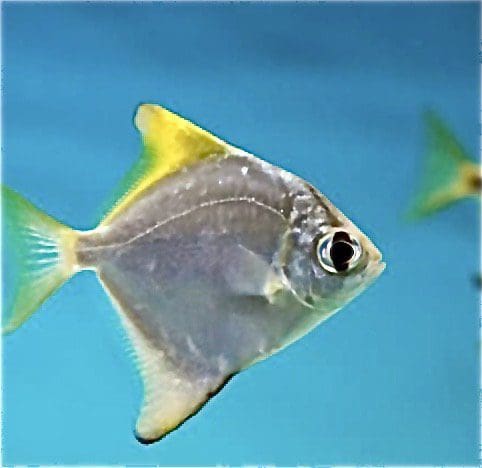
Monodactylus sebae, also known as the African Moony, is a species of fish that is native to coastal waters and estuaries in the Western Indian Ocean and the Eastern Atlantic Ocean. They are a popular species for brackish water aquariums and can be found in the aquarium trade.

African Moonies are active and social fish that do best when kept in groups of at least six individuals. They are generally peaceful but can be territorial, especially during breeding. They are also known to jump, so it’s important to provide a tight-fitting lid on their aquarium.

African Moonies are omnivores and can be fed a variety of frozen and live foods, such as brine shrimp, bloodworms, and small pieces of fish. They will also accept commercial flake and pellet foods.

When keeping African Moonies in captivity, it’s important to provide a suitable environment that mimics their natural habitat. This includes brackish water with a specific gravity between 1.005 and 1.010, and a well-aerated substrate with plenty of swimming space. They also require a well-planted aquarium with plenty of hiding places.

Overall, African Moonies are a popular species for brackish water aquariums due to their active and social behavior and their interesting appearance. They require specific care and attention to thrive in captivity, but can make great additions to a specialized aquarium.

Scatophagus argus, also known as the Spotted Scat, is a species of fish that is native to brackish and freshwater habitats in Southeast Asia and Oceania. They are a popular species for brackish water aquariums and can be found in the aquarium trade.

Spotted Scats are active and social fish that do best when kept in groups of at least six individuals. They are generally peaceful but can become aggressive towards smaller fish or fish with similar body shapes. They are also known to jump, so it’s important to provide a tight-fitting lid on their aquarium.

Spotted Scats are omnivores and can be fed a variety of frozen and live foods, such as brine shrimp, bloodworms, and small pieces of fish. They will also accept commercial flake and pellet foods.

When keeping Spotted Scats in captivity, it’s important to provide a suitable environment that mimics their natural habitat. This includes brackish water with a specific gravity between 1.005 and 1.015, and a well-aerated substrate with plenty of swimming space. They also require a well-planted aquarium with plenty of hiding places.

Overall, Spotted Scats are a popular species for brackish water aquariums due to their active and social behavior and their interesting appearance. They require specific care and attention to thrive in captivity, but can make great additions to a specialized aquarium.

Bumble bee goby
Monodactylus argenteus
Categories
News

Danio erythromicron Emerald dwarf Rasbora

Emerald dwarf rabora for sale – Maipenrai Aquarium Tropical fish Exporter

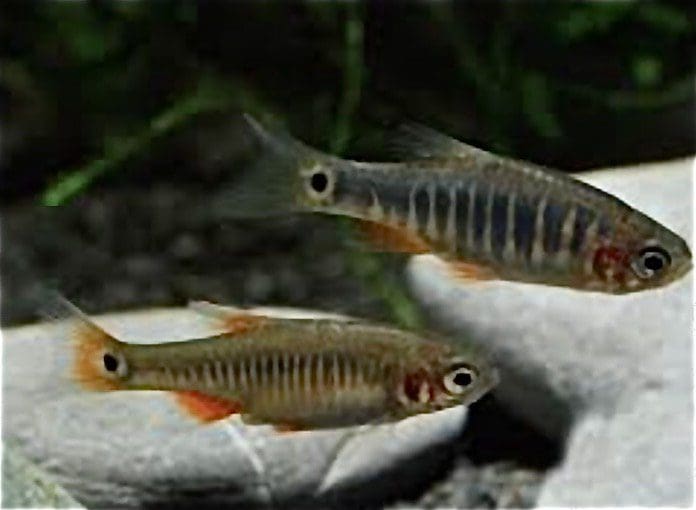
Danio erythromicron is a species of freshwater fish belonging to the family Cyprinidae, commonly known as the emerald dwarf rasbora or dwarf emerald rasbora. It is native to the Chindwin and Ayeyarwaddy river systems in Myanmar. The species was first described in 2006 by Kullander and Fang.

The emerald dwarf rasbora has a bright green body with a red stripe running along the midline of its body. It is a small fish, growing to a maximum length of about 2.5 centimeters (1 inch). It is a peaceful and schooling fish, and is often kept in community aquariums with other small, peaceful fish. In the wild, it inhabits slow-moving streams and shallow pools.

The emerald dwarf rasbora is popular in the aquarium trade due to its small size, striking coloration, and peaceful temperament. It is generally considered a hardy species, but requires a well-maintained aquarium with appropriate water parameters and a balanced diet.

Breeding Danio erythromicron can be challenging, but it is possible with proper care and attention. Here are some tips to help encourage breeding:

  1. Provide a suitable environment: The breeding aquarium should be well-planted with plenty of hiding places, and the water should be soft and slightly acidic (pH 6.0-7.0). The temperature should be around 25-28°C (77-82°F).
  2. Condition the fish: Feed the adult fish a varied diet of high-quality foods such as live or frozen brine shrimp, daphnia, or bloodworms. This will help condition the fish for breeding.
  3. Use a breeding pair or group: Danio erythromicron is a schooling fish, so it is best to keep them in groups of at least 6 individuals. Choose a pair or small group of fish that are healthy and showing signs of maturity.
  4. Trigger breeding behavior: Increase the frequency and duration of lighting to 14-16 hours per day, and lower the water level by 10-15%. This will simulate the rainy season in their natural habitat, which triggers breeding behavior.
  5. Monitor for breeding behavior: Look for signs of breeding behavior such as chasing, displaying, and courtship dances. Females will become plumper and males will develop more intense coloration.
  6. Separate the breeding pair/group: Once you observe breeding behavior, it is best to separate the pair or group into a separate breeding tank to prevent other fish from eating the eggs.
  7. Provide suitable spawning substrate: The fish will typically spawn in the early morning on a suitable substrate such as Java moss, fine-leaved plants, or spawning mops. The eggs will hatch in 24-48 hours.
  8. Provide fry food: Once the fry have hatched, feed them small amounts of infusoria, baby brine shrimp, or commercial fry food several times a day.

With proper care and attention, Danio erythromicron can be bred successfully in the aquarium.

Danio erythromicron is an omnivorous species and will readily accept a variety of foods in the aquarium. Here are some tips on feeding them:

  1. High-quality dry food: A good quality dry food such as flakes or pellets should make up the majority of their diet. Choose a high-quality brand that contains a good balance of protein, fat, and fiber.
  2. Frozen or live food: Offer frozen or live foods such as brine shrimp, daphnia, or bloodworms once or twice a week to provide some variety in their diet. These foods are also a good source of protein.
  3. Vegetables: Danio erythromicron will also benefit from some vegetable matter in their diet. Offer blanched or boiled vegetables such as spinach, peas, or zucchini once or twice a week.
  4. Feed small amounts: Only feed what the fish can consume in a few minutes, as overfeeding can lead to health problems and pollution in the aquarium.
  5. Feed at regular intervals: Feed the fish at least twice a day, ideally in the morning and evening, to keep their metabolism active and healthy.
  6. Supplement with vitamins: You can also supplement their diet with a vitamin-rich food such as spirulina flakes or pellets, which can help to boost their immune system and overall health.

By providing a varied and balanced diet, Danio erythromicron can thrive and display their beautiful colors in the aquarium.

Categories
News

Asian Arowana – Scleropages formosus-

Asian Arowana

Maipenrai Aquarium Tropical fish Exporter

The Asian Arowana, also known as the dragon fish, is a species of freshwater fish that is native to Southeast Asia. It is a popular aquarium fish, prized for its striking appearance, intelligence, and symbolism in Chinese culture.

Asian Arowanas are large, predatory fish that can grow up to three feet long in captivity. They have elongated bodies and large scales, with colors ranging from red, gold, and green to silver and black. The fish also have distinctive barbels, or whiskers, around their mouths.

In the wild, Asian Arowanas are found in slow-moving rivers and swamps, where they feed on a variety of prey, including insects, crustaceans, and small fish. In captivity, they require a large aquarium with plenty of swimming space and hiding places, as well as a diet of high-quality pellets and occasional live food.

The Asian Arowana is considered an endangered species in the wild due to overfishing and habitat loss. As a result, the trade and ownership of this species is heavily regulated in many countries, including the United States. If you are interested in keeping an Asian Arowana, it is important to research the legal requirements in your area and purchase fish from reputable sources that do not contribute to illegal trade.

Arowana Chilli super red

reeding Asian Arowanas in captivity can be a challenging but rewarding experience. Here are some basic steps for breeding Asian Arowanas:

  1. Sexing: Male and female Asian Arowanas have some physical differences that can help you determine their sex. Males tend to have a larger head and longer dorsal fin, while females are rounder in the belly and have a shorter dorsal fin.
  2. Pairing: Once you have identified a male and female, you will need to pair them up in a suitable breeding tank. The tank should be at least 6 feet long and have a capacity of at least 150 gallons.
  3. Conditioning: Before breeding, the male and female should be conditioned with a high-quality diet of pellets and live food. You can also simulate the rainy season by lowering the water level in the tank and increasing the temperature and humidity.
  4. Spawning: When the male and female are ready to spawn, they will engage in a courtship ritual, during which the male will chase and nudge the female. The female will then lay eggs on a vertical surface, such as a piece of slate or plexiglass, and the male will fertilize them.
  5. Incubation: The eggs should be carefully removed from the breeding tank and placed in a separate incubation tank. The water in the incubation tank should be kept clean and well-oxygenated, with a temperature of around 82-86°F. The eggs will hatch in about 2-3 days, and the fry will absorb their yolk sacs for another 5-7 days before becoming free-swimming.
  6. Rearing: Once the fry are free-swimming, they can be fed newly hatched brine shrimp or other small live foods. As they grow, they can be transitioned to a diet of high-quality pellets.

Breeding Asian Arowanas requires a significant investment of time and resources, as well as knowledge and experience. If you are considering breeding these fish, it is important to do your research and seek guidance from experienced breeders.

Red Tail Gold Arowana

Asian Arowanas are known for their striking and vivid colors, which can vary depending on the species and the individual fish. Here are some common colors and varieties of Asian Arowanas:

  1. Red Arowana: This is the most common color of Asian Arowana, and it is highly prized in Chinese culture for its resemblance to the mythical dragon. Red Arowanas can range from deep blood red to a lighter orange-red.
  2. Gold Arowana: Gold Arowanas have a bright, metallic sheen that can range from a pale gold to a deep bronze. They are highly sought after for their unique coloration.
  3. Green Arowana: Green Arowanas have a rich, emerald green color that is highly valued in the aquarium trade. They are rarer than other color varieties and are considered a prized collector’s item.
  4. Silver Arowana: Silver Arowanas are a light, silvery color with a metallic sheen. They are highly reflective and can appear almost white in certain lighting conditions.
  5. Black Arowana: Black Arowanas are a rare color variety that can be highly sought after. They are typically a dark, glossy black with metallic scales that can reflect a rainbow of colors.

In addition to these basic color varieties, some Asian Arowanas can have unique patterns or markings, such as spots or stripes. However, it is important to note that some color variations may be due to hybridization or artificial color enhancement, which can impact the health and integrity of the fish. As with any aquarium fish, it is important to purchase Asian Arowanas from reputable sources that breed and sell healthy, high-quality fish.

Feeding an Asian Arowana is an important aspect of their care and can help keep them healthy and vibrant. Here are some tips for feeding an Asian Arowana:

  1. Diet: Asian Arowanas are primarily carnivorous and require a diet that is high in protein. A high-quality pellet or stick food should make up the bulk of their diet, supplemented with occasional live foods such as insects, shrimp, or small fish.
  2. Feeding frequency: Adult Asian Arowanas should be fed once a day, while younger fish may require two or three small meals throughout the day. It is important not to overfeed your fish, as this can lead to health problems such as bloating, constipation, and swim bladder issues.
  3. Feeding technique: When feeding your Asian Arowana, it is best to use a feeding stick or tongs to drop the food directly in front of the fish. This can help prevent aggressive behavior and ensure that each fish receives an adequate amount of food.
  4. Variety: In addition to a staple pellet or stick food, it is important to offer your Asian Arowana a variety of live foods to promote a healthy and balanced diet. You can try offering shrimp, mealworms, or small feeder fish.
  5. Water quality: Proper water quality is essential for the health and well-being of your Asian Arowana, and it can also impact their appetite and feeding behavior. Make sure to maintain a clean and well-filtered aquarium with proper temperature and pH levels.

It is important to note that overfeeding or offering an imbalanced diet can lead to health problems in Asian Arowanas, such as fatty liver disease and swim bladder issues. Always monitor your fish for signs of poor health and adjust their diet and feeding routine as needed.

High Back Golden Arowana
Categories
News

Black Moore Goldfish for sale

Black moore export – Maipenrai Aquarium Tropical fish Exporter

The Black Moor is a fancy goldfish variety that is highly sought after by fish hobbyists due to its striking appearance. As the name suggests, Black Moors have a deep, velvety black coloration that covers their entire body, fins, and eyes.

Like all goldfish, Black Moors are members of the carp family and originated in China over a thousand years ago. They have a rounded body shape and flowing fins, which makes them a popular choice for aquariums.

Black Moors are hardy fish that can adapt to a range of water conditions, but they do require adequate filtration and frequent water changes to keep their environment clean and healthy. They are omnivores and will eat a variety of foods, including flake or pellet fish food, freeze-dried or frozen foods, and fresh vegetables like peas or spinach.

One unique trait of Black Moors is their bulging, telescope-like eyes. This trait is a result of selective breeding and can make them more prone to eye problems, such as infections or injury. To help prevent eye problems, it’s important to keep their water clean and avoid sharp objects in the aquarium.

Overall, Black Moors are beautiful and interesting fish that can make great pets for fish keepers of all experience levels.

Black Moors are omnivorous fish and will readily accept a variety of foods. To ensure that your Black Moors are getting a balanced diet, it’s important to offer them a variety of foods, including high-quality fish pellets or flakes, freeze-dried or frozen foods like bloodworms, brine shrimp, and daphnia, and fresh vegetables like peas, zucchini, and spinach.

When feeding your Black Moors, it’s important to avoid overfeeding, as this can lead to health problems such as bloating, constipation, and poor water quality. A good rule of thumb is to feed them a small amount of food two to three times a day, only giving them what they can eat in about two minutes. Any leftover food should be removed from the aquarium to prevent it from fouling the water.

If you notice that your Black Moors are not eating or seem to be losing weight, it may be a sign of a health issue. In this case, it’s important to monitor your fish closely and seek the advice of a veterinarian or aquatic specialist if necessary.

Overall, feeding your Black Moors a balanced and varied diet will help keep them healthy and happy.

Black Moors are a popular aquarium fish that can be kept in a variety of settings, including aquariums and ponds. Here are some things to keep in mind when it comes to keeping Black Moors:

  1. Tank Size: Black Moors can grow up to 8 inches long and are active swimmers, so they require a tank size of at least 20 gallons for a single fish. If you plan to keep multiple Black Moors, you will need a larger tank.
  2. Water Quality: Black Moors prefer a pH range of 6.5-7.5. It’s important to monitor the water quality regularly and perform regular water changes to keep the tank clean and healthy.
  3. Filtration: A good filtration system is essential for keeping Black Moors healthy. A canister or power filter can help maintain good water quality and keep the tank free of debris and waste.
  4. Tank Decor: Black Moors enjoy having places to hide and explore, so providing plenty of hiding spots like caves, plants, and decorations is important. However, it’s important to avoid sharp or rough decor that could damage their delicate fins.
  5. Feeding: As omnivorous fish, Black Moors require a balanced diet that includes both protein-rich foods like fish pellets and live or frozen foods like bloodworms and brine shrimp, as well as plant-based foods like peas and spinach.

Overall, Black Moors are hardy fish that can make great pets for fish keepers of all experience levels. With the right setup and care, they can live for many years and provide endless enjoyment for their owners.

Black Moore small size
Black Moore medium size
Categories
News

Betta hendra for sale in Thailand

Import/Export Betta hendra

Maipenrai Aquarium Tropical fish Exporter

Betta hendra, also known as Hendra’s betta, is a species of freshwater fish in the family Osphronemidae. It is native to the island of Borneo, specifically in the Kapuas River system in Indonesia. The species was first described in 2006 and is named after its discoverer, I. Ketut Hendra.

Betta hendra is a small fish, reaching a maximum length of about 5 centimeters. The males have striking colors, with a bright red body and iridescent blue-green fins. The females are less colorful, with a brownish body and lighter fins. Like other members of the Betta genus from Indonesia, Betta hendra is a mouth brooder.

Betta hendra is not commonly kept in the aquarium trade, but it is occasionally available from specialist breeders. It requires a tank with plenty of hiding places and a peaceful community of fish that will not harass or compete with it. Like other bettas, it is a carnivorous fish and will eat a variety of live and frozen foods, including bloodworms and brine shrimp.

Betta hendra is a carnivorous fish and requires a diet rich in protein. In the wild, it feeds on small aquatic insects, crustaceans, and other small organisms. In the aquarium, it should be fed a varied diet that includes both live and frozen foods.

Some suitable foods for Betta hendra include:

  • Live or frozen brine shrimp
  • Live or frozen bloodworms
  • Daphnia
  • Mosquito larvae
  • Grindal worms
  • Mysis shrimp

It is important to avoid overfeeding Betta hendra, as they have a tendency to become overweight and develop health problems. A good feeding schedule for Betta hendra is to feed them small amounts 2-3 times per day. Uneaten food should be removed from the tank to avoid fouling the water.

It is also a good idea to offer Betta hendra a variety of foods to ensure that they are receiving a balanced diet. Commercially available betta pellets can also be offered, but they should not be the sole source of food as they may lack the necessary nutrients for optimal health.

If you are considering keeping Betta hendra, here are some things to keep in mind:

Tank size: Betta hendra is a small fish and can be kept in a tank as small as 10 gallons. However, larger tanks are always better as they provide more swimming room and allow for a more stable environment.

Water parameters: Betta hendra prefers slightly acidic to neutral water with a pH between 4.5 and 6.0. The water temperature should be kept between 75-82°F (24-28°C). A good filtration system is necessary to keep the water clean and healthy for your fish.

Tank setup: Betta hendra needs a tank with plenty of hiding places and vegetation to provide them with a sense of security. Live plants like Java fern, Anubias, and Amazon sword are great options. You can also add decorations like driftwood, rocks, or caves. Be sure to leave plenty of open swimming space as well.

Tankmates: Betta hendra is generally peaceful but can be aggressive towards other fish with long fins or bright colors that it mistakes for another male betta. Good tankmates for Betta hendra include peaceful species like small tetras, rasboras, or Corydoras catfish.

Feeding: Betta hendra is a carnivorous fish and requires a diet rich in protein. It should be fed small amounts of live or frozen foods 2-3 times per day. Uneaten food should be removed from the tank to avoid fouling the water.

Overall, Betta hendra is a beautiful and fascinating fish that can make a great addition to a peaceful community aquarium. With proper care and attention to their needs, they can thrive in a home aquarium.

Betta hendra – Maipenrai Aquarium
Categories
News

Betta channoides for sale in Thailand

Import/Export Betta channoides from Thailand – Maipenrai Aquarium Tropical Fish Exporter

Betta channoides, also known as the channa betta or snakehead betta, is a species of fish belonging to the family Osphronemidae. It is a small, freshwater fish that is native to the Borneo island (eastern Kalimantan).

The channa betta is known for its distinctive appearance, which includes a brownish-orange body with black markings and a long, pointed tail. It is also known for its aggressive behavior and territorial tendencies, and is best kept alone or with other non-aggressive fish in a tank that is at least 10 gallons in size.

Like other bettas, the channa betta is an insectivore and can be fed a diet of live or frozen insects, such as brine shrimp, bloodworms, and daphnia. It requires a water temperature of 75-82°F (24-28°C) and a pH level of 4.00 – 6.50.

Overall, the channa betta is a beautiful and interesting fish species that requires careful consideration and care to thrive in an aquarium setting.

Betta channoides are carnivorous fish and require a diet rich in protein to thrive. Here are some recommended foods for Betta channoides:

  1. Live foods: Betta channoides will readily accept live foods such as brine shrimp, bloodworms, daphnia, and mosquito larvae. These foods are highly nutritious and can be fed as a staple diet or as an occasional treat.
  2. Frozen foods: Frozen foods such as bloodworms, brine shrimp, and daphnia are a convenient alternative to live foods and can provide a varied diet for Betta channoides.
  3. Pellets and flakes: High-quality pellets and flakes formulated for carnivorous fish can also be fed to Betta channoides. Look for products that list whole fish or shrimp as the first ingredient, and avoid products that contain fillers or low-quality proteins.
  4. Freeze-dried foods: Freeze-dried foods such as krill, shrimp, and tubifex worms can also be fed to Betta channoides, but should be soaked in water before feeding to prevent digestive issues.

It is important to feed Betta channoides a varied diet to ensure they receive all the necessary nutrients for their health and growth. Feed small amounts several times a day, rather than one large feeding, to prevent overfeeding and maintain good water quality in the aquarium.

Betta channoides is a moth broder fish

Betta mouth brooding refers to a unique reproductive behavior observed in some species of Betta fish, where the male fish will collect and incubate eggs in his mouth until they hatch into fry.

During the breeding process, the male Betta will build a bubble nest at the surface of the water and court the female. Once the female lays her eggs, the male will collect them in his mouth and hold them there for a period of several days to two weeks, depending on the species.

During this time, the male Betta will not eat, but instead will take oxygen from the water through his gills. He will also move the eggs around in his mouth to ensure they are evenly distributed and well-oxygenated.

After the eggs hatch, the fry will emerge from the male’s mouth and start swimming freely in the tank. At this point, the male will resume feeding and may even become aggressive towards the fry if they get too close.

Mouth brooding is a fascinating and unique behavior that adds to the appeal of Betta fish as pets. However, it should be noted that not all species of Betta fish exhibit this behavior, and it can be challenging to replicate in a home aquarium. If you are interested in breeding Betta fish, be sure to research the specific requirements of the species you are working with and provide a suitable environment for their reproduction.

Group of Betta channoides
Categories
News

Catechu Bark for sale in Thailand

Buy Catechu Bark in Thailand – Maipenrai Aquarium Tropical Fish Exporter

Catechu bark is a type of tree bark that comes from the acacia tree, scientifically known as Acacia catechu. It is commonly found in India, Southeast Asia, and parts of Africa. The bark contains high levels of tannins, which have been used for centuries in traditional medicine for their astringent and antiseptic properties.

Catechu bark has a wide range of uses. It is commonly used in Ayurvedic medicine to treat various health conditions such as diarrhea, dysentery, and dental problems. It is also used as a natural dye for fabrics and in the leather industry for tanning hides.

In addition to its medicinal properties, catechu bark has also been studied for its potential anti-inflammatory and antioxidant effects. However, more research is needed to fully understand its potential health benefits and any potential side effects or interactions with other medications.

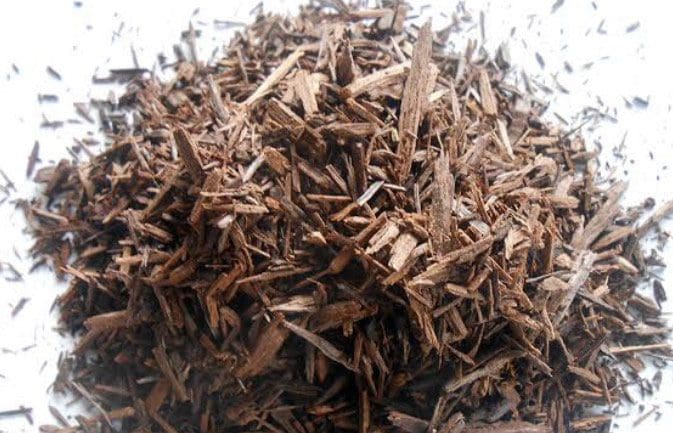
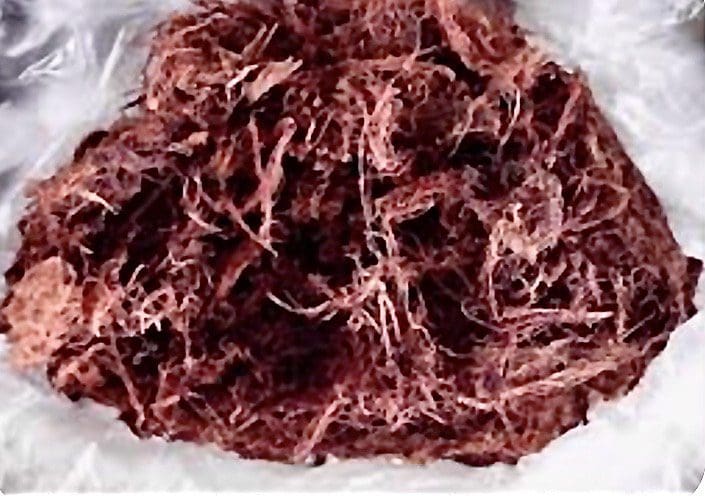
Catechu Bark Splinter

Catechu bark can be used in aquariums as a natural way to lower the pH level of the water. This is because the bark contains tannins, which can help to naturally lower the pH level and create a more acidic environment. This can be particularly useful for fish species that prefer a more acidic environment, such as some species of tetras and angelfish.

To use catechu bark in an aquarium, it is recommended to soak the bark in water for several days before adding it to the tank. This will help to remove any excess tannins and prevent them from turning the water brown. Once the bark has been soaked, it can be added to the tank and left to sit for several days until the pH level has reached the desired level.

It is important to note that catechu bark can also affect the hardness of the water, so it is recommended to monitor the water parameters regularly and adjust as needed. Additionally, some fish species may not tolerate the tannins in the water, so it is important to research the specific needs of the fish species in the aquarium before using catechu bark

Catechu bark for Betta

Catechu bark can be used in betta fish aquariums as a natural way to lower the pH level of the water, as well as to provide other potential benefits. Betta fish are tropical freshwater fish that originate from Thailand, and they prefer slightly acidic water with a pH range of 6.0 to 7.5.

When added to an aquarium, catechu bark can release tannins into the water, which can help to lower the pH level and create a more natural environment for betta fish. Additionally, the tannins can have potential antibacterial and antifungal properties, which can help to promote the overall health of the fish and reduce the risk of infections.

To use catechu bark in a betta fish aquarium, it is recommended to soak the bark in water for several days before adding it to the tank. This will help to remove any excess tannins and prevent them from turning the water brown. Once the bark has been soaked, it can be added to the tank and left to sit for several days until the pH level has reached the desired range.

It is important to note that catechu bark can also affect the hardness of the water, so it is recommended to monitor the water parameters regularly and adjust as needed. Additionally, some species of betta fish may not tolerate the tannins in the water, so it is important to observe the fish closely and remove the bark if the fish appear to be stressed or uncomfortable.

Do not hesitate to contact us for more information on this product
Categories
News

What it means be an exporter tropical fish

Maipenrai Aquarium – Tropical fish exporter from Thailand –

Tropical fish exporting involves breeding, raising, and exporting a variety of fish species from tropical regions around the world. These fish are often sold as pets or for aquariums in other countries. Some of the most popular tropical fish species for export include tetras, angelfish, guppies, and discus fish.

To become a tropical fish exporter, one must have knowledge and experience in fish breeding and raising. It is also important to comply with regulations set by both the exporting and importing countries, which may include obtaining permits and certifications. Additionally, it is crucial to ensure that the fish are transported and handled in a humane and ethical manner to avoid harm to the animals.

Overall, while the tropical fish export business can be lucrative, it is important to prioritize the well-being of the animals and comply with all applicable laws and regulations.

Koi packing process

Shipping tropical fish worldwide can be a complex process that requires careful planning and attention to detail to ensure the safety and well-being of the fish. Here are some general steps to follow:

  1. Research regulations: Check the regulations of both the exporting and importing countries to ensure compliance with any permits or certifications required for the export of live animals.
  2. Choose a reliable shipping company: Select a shipping company that specializes in the transportation of live animals and has experience with international shipments.
  3. Prepare the fish: Ensure that the fish are healthy and free of disease. Pack them in an appropriate container with enough water and oxygen to sustain them during transit.
  4. Label and mark the container: Clearly label the container with information such as the species of fish, number of fish, and destination address. Mark the container as “Live Fish” to alert handlers to handle it with care.
  5. Choose a suitable shipping method: Choose a shipping method that will get the fish to their destination quickly and safely. This may include air or sea freight, depending on the distance and location.
  6. Monitor the shipment: Stay in touch with the shipping company to monitor the shipment’s progress and ensure that it is on schedule.
  7. Prepare for arrival: Ensure that the recipient is prepared to receive the fish upon arrival and has the necessary facilities to acclimate them to their new environment.

It is important to note that the specific requirements for shipping tropical fish may vary depending on the species, destination, and other factors. Therefore, it is crucial to do thorough research and seek advice from experts in the industry to ensure a successful shipment.

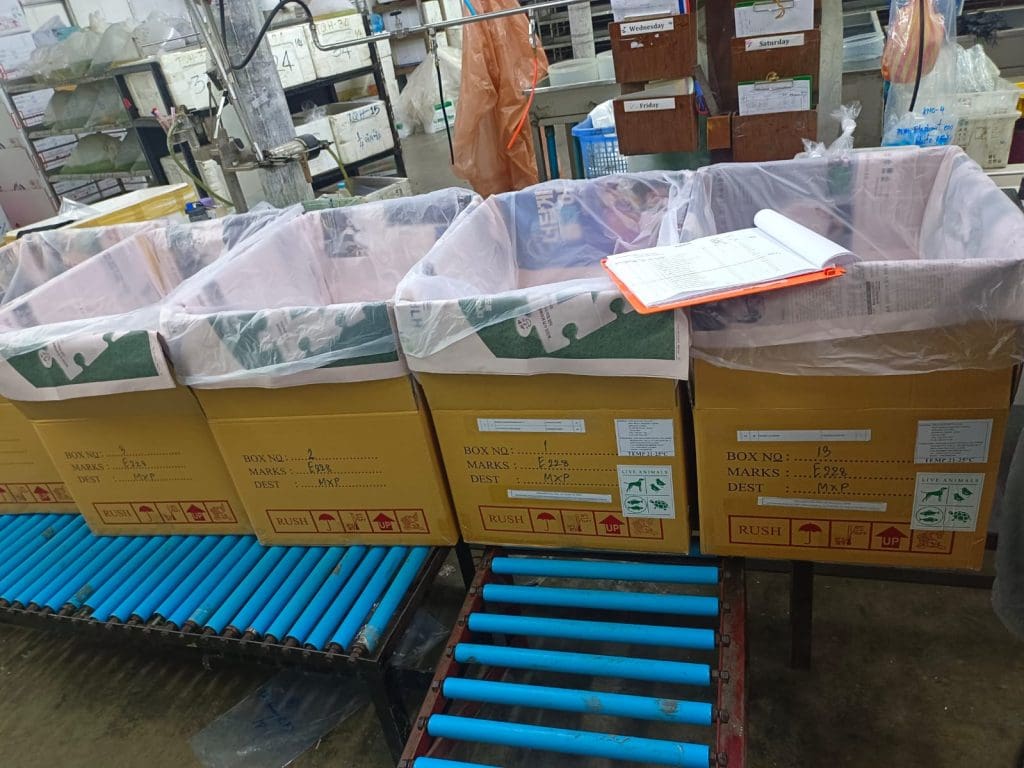
Checking and labeling

Properly packing fish before shipping is crucial to their safety and well-being during transit. Here are some general steps to follow when packing fish for shipping:

  1. Choose an appropriate container: Use a sturdy container that is suitable for the size and number of fish being shipped. The container should be clean and free of any harmful chemicals.
  2. Line the container: Place a layer of packing material at the bottom of the container to provide cushioning for the fish during transport. Suitable packing materials include foam, newspaper, or plastic bubble wrap.
  3. Add water: Fill the container with enough water to ensure that the fish can swim comfortably, but not so much that it will overflow during transport.
  4. Add oxygen: Add an appropriate amount of oxygen to the water to ensure that the fish can breathe during transport. You can use an oxygen tank or oxygen tablets specifically designed for this purpose.
  5. Bag the fish: Place the fish in plastic bags that are specifically designed for shipping fish. Fill the bags with water and tie them securely to prevent leaks during transport. It is recommended to use one bag per fish, or to separate fish by species.
  6. Add packing materials: Add additional packing materials around the bags to provide cushioning and stability during transport.
  7. Label the container: Clearly label the container with information such as the species of fish, number of fish, and destination address. Mark the container as “Live Fish” to alert handlers to handle it with care.

It is important to note that the specific requirements for packing fish may vary depending on the species, destination, and other factors. Therefore, it is crucial to do thorough research and seek advice from experts in the industry to ensure proper packing and safe transport of live fish.

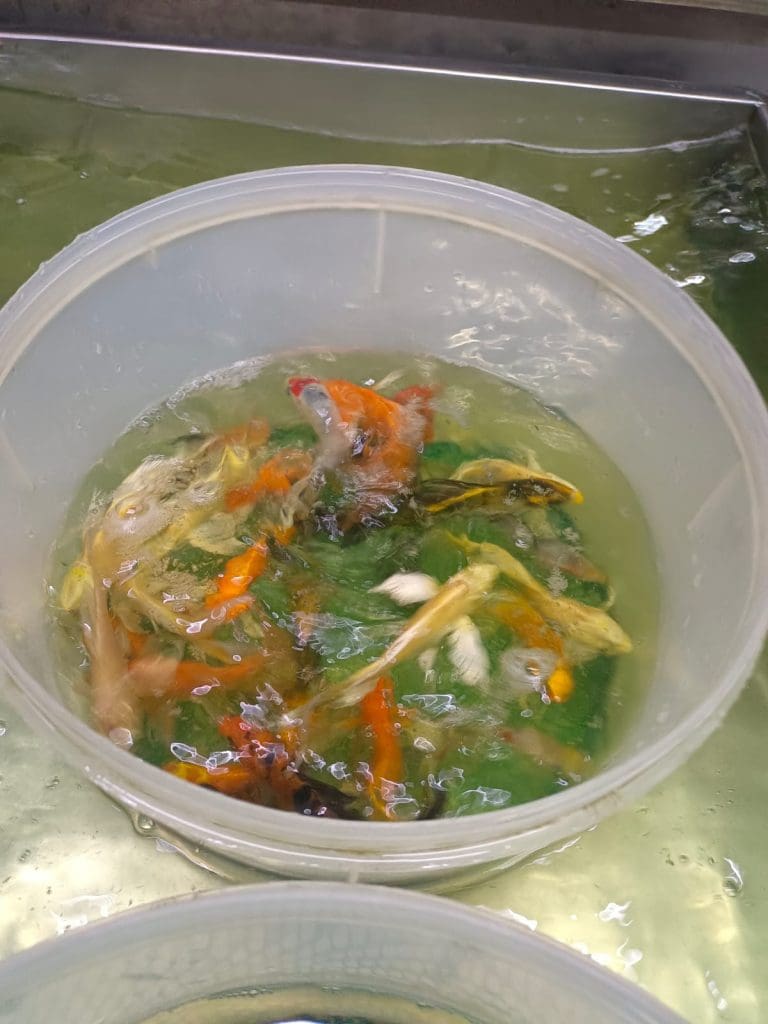
Prepaking process

This is our job

Categories
News

Pseudotropheus demasoni: a stunning fish from Malawi lake

Maipenrai aquarium – tropical fish exporter from Thailand –

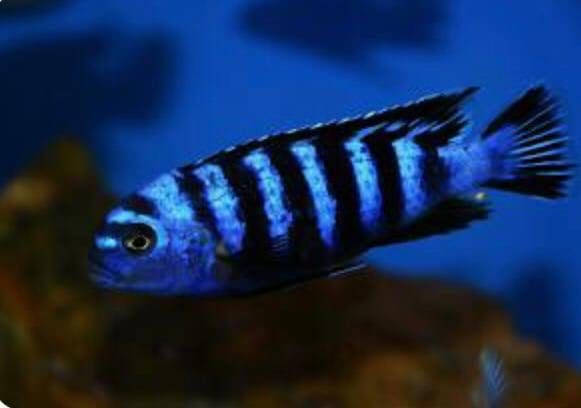
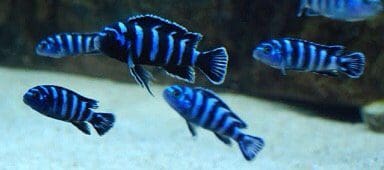
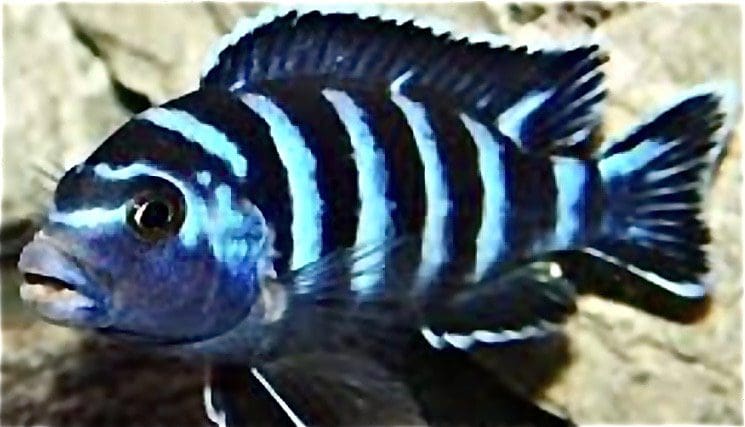
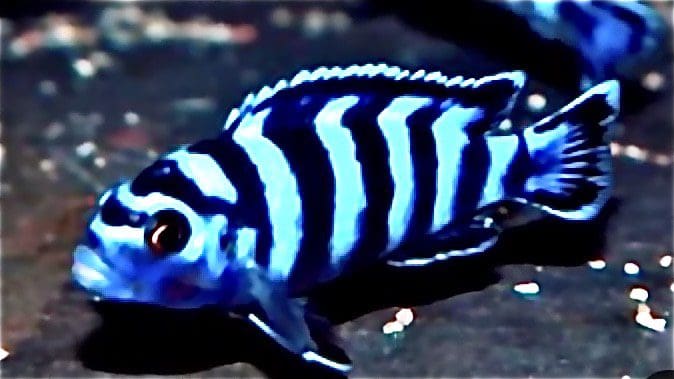
Pseudotropheus demasoni is a species of freshwater fish that belongs to the Cichlidae family. They are native to Lake Malawi in East Africa and are popular among aquarium enthusiasts due to their vibrant blue and black coloration.

Pseudotropheus demasoni are small in size, usually growing up to 3-4 inches (8-10 cm) in length. They are known to be territorial and aggressive towards other fish, especially males of their own species. Therefore, it is recommended to keep them in a species-only tank or with other peaceful fish that are not similar in size and color.

In terms of their diet, Pseudotropheus demasoni are primarily herbivorous and require a diet rich in vegetable matter. They can be fed a variety of foods such as spirulina flakes, pellets, and blanched vegetables such as zucchini, spinach, and peas. It’s essential to provide a well-balanced diet to ensure their overall health and longevity.

Pseudotropheus demasoni

Breeding Pseudotropheus demasoni in captivity can be challenging, but it is possible with the right conditions and approach. Here are some tips to help you breed Pseudotropheus demasoni in your aquarium:

  1. Provide optimal water conditions: Pseudotropheus demasoni require water conditions that mimic their natural habitat in Lake Malawi. The water should be alkaline with a pH of 7.5-8.5 and a water hardness of 10-20 dGH. The temperature should be maintained between 76-82°F (24-28°C).
  2. Create a suitable breeding environment: Pseudotropheus demasoni are cave spawners and require a suitable breeding environment. Provide several caves or rocks with crevices where they can lay their eggs and protect their young.
  3. Introduce a breeding group: It’s essential to have a group of Pseudotropheus demasoni consisting of one male and several females for successful breeding. The males will display their bright blue and black colors to attract the females and establish dominance.
  4. Feed a nutritious diet: It’s crucial to feed a nutritious and varied diet to ensure the health and vitality of your Pseudotropheus demasoni. Providing a diet rich in vegetable matter will help stimulate breeding behavior.
  5. Observe and monitor breeding behavior: Once the males establish dominance and breeding behavior begins, observe the group and monitor their progress closely. After spawning, remove the female to another tank to protect the eggs and fry.
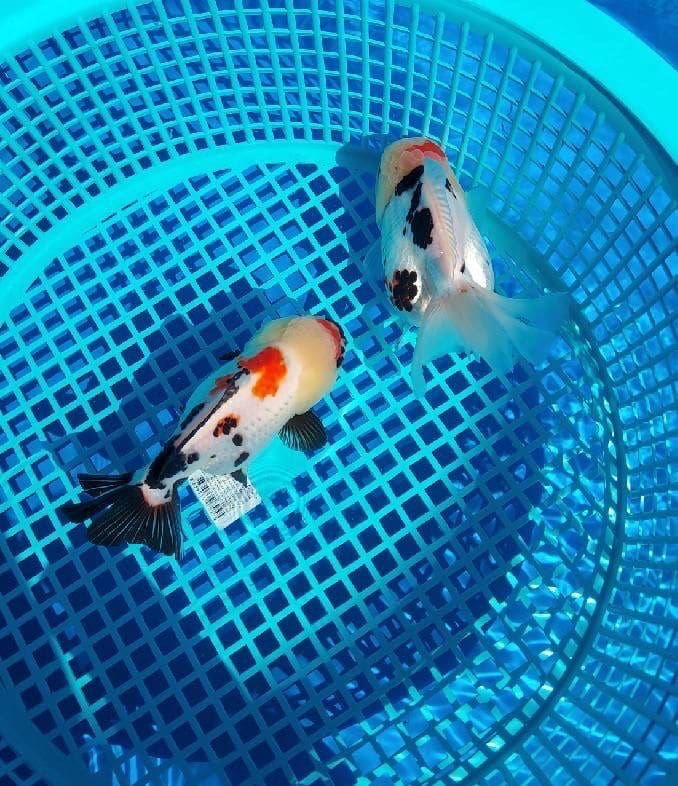
  6. Raise the fry: Pseudotropheus demasoni fry are relatively easy to raise and can be fed small amounts of crushed flakes or newly hatched brine shrimp. Maintain optimal water conditions and provide ample hiding places for the fry to reduce aggression from adult fish.

Breeding Pseudotropheus demasoni requires patience and attention to detail, but it can be a rewarding experience for aquarium enthusiasts.

Demasoni cichlid
Malawi cichlids Pseudotropheus demasoni

Maipenrai aquarium tropical fish exporter: ask us our full stock list

Categories
News

Betta smaragdina for sale in Thailand – Import Emerald Betta

Import/Export Betta smaragdina (Emerald Betta) from Thailand

Betta smaragdina, also known as the emerald betta or green betta, is a species of freshwater fish that belongs to the family Osphronemidae. It is native to Southeast Asia, specifically found in Thailand, Laos, and probably Vietnam.

As its name suggests, the emerald betta has a vibrant green coloration, with blue and red accents on its fins. Males typically have longer and more elaborate fins than females, and are more colorful overall. They can grow up to around 3 inches in length.

In the aquarium hobby, bettas are a popular species of fish known for their striking colors and flowing fins. However, it’s important to provide them with a suitable environment, including a heated and filtered tank with plenty of hiding places and vegetation. Additionally, bettas are known to be territorial and aggressive towards other fish, so it’s best to keep them in a tank by themselves or with other peaceful species.

Betta smaragdina

Breeding Betta smaragdina, like other species of bettas, can be a rewarding but challenging endeavor. Here are some basic steps and considerations for breeding emerald bettas:

  1. Set up a breeding tank: Prepare a separate tank specifically for breeding, with a size of at least 10 gallons. The tank should have a heater to maintain a temperature between 78-82°F, a filter, and plenty of hiding places such as plants, caves, or breeding cones.
  2. Select healthy breeding pair: Choose a male and female emerald betta that are healthy, active, and have bright colors. It’s best to choose fish that are not related to each other to avoid genetic issues.
  3. Condition the breeding pair: Before breeding, it’s important to condition the breeding pair with a varied and protein-rich diet. Offer live or frozen foods such as bloodworms, brine shrimp, or daphnia. Increase the frequency and amount of feeding for a few weeks until the fish become plump and ready to breed.
  4. Introduce the breeding pair: Once the breeding pair is ready, introduce them to the breeding tank. The male will start building a bubble nest at the surface of the water, and will display courtship behaviors such as flaring his fins and gills to attract the female.
  5. Observe the breeding process: The male will embrace the female and release sperm and eggs simultaneously. The eggs will float to the surface and the male will collect them in his bubble nest. After several hours, remove the female to prevent her from eating the eggs.
  6. Incubate the eggs: The eggs will hatch within 24-48 hours, and the fry will remain in the bubble nest for another 2-3 days before becoming free-swimming. Provide the fry with infusoria or newly hatched brine shrimp for the first few days, and gradually introduce more advanced foods as they grow.

Breeding bettas can be challenging, and it’s important to do proper research and preparation before attempting to breed them. It’s also important to ensure that any breeding practices are ethical and sustainable, and not harmful to the fish or natural populations.

Betta smaragdina guitar – An uncommon genetic variant of betta smargdina

Buriram is a province in northeastern Thailand, which is within the native range of Betta smaragdina, also known as the emerald betta or green betta. It’s possible that this species of fish is found in Buriram, as it’s known to inhabit various parts of Thailand.

In the aquarium hobby, bettas are commonly bred and traded, and it’s possible that emerald bettas from Buriram or other parts of Thailand are sought after by hobbyists due to their unique genetic traits or regional variations. However, it’s important to ensure that any fish being traded are ethically and sustainably sourced, and not taken from the wild without proper permits or harming natural populations.

Betta smaragdina Buriram

Bettas are carnivorous fish that require a varied and balanced diet to maintain good health and coloration. Here are some tips for feeding bettas:

  1. Offer a high-quality pellet ( http://www.feed4fish.com ) or flake food: Bettas can be fed a high-quality pellet or flake food that is specifically formulated for bettas or other carnivorous fish. Look for a food that contains a high percentage of protein and is fortified with vitamins and minerals.
  2. Supplement with live or frozen foods: Bettas also benefit from live or frozen foods such as bloodworms, brine shrimp, or daphnia. These foods are high in protein and provide essential nutrients that may not be found in dry foods.
  3. Feed in small amounts: Bettas have small stomachs and should be fed small amounts 2-3 times a day. Overfeeding can lead to digestive issues and obesity.
  4. Avoid feeding exclusively on one type of food: Variety is key to a healthy diet for bettas. Rotate between different types of dry and live/frozen foods to provide a balanced and varied diet.
  5. Consider feeding vegetables: Bettas may also benefit from some vegetable matter in their diet, such as blanched spinach or peas. These can help with digestion and provide additional nutrients.
  6. Remove uneaten food: Any uneaten food should be removed from the tank after a few minutes to prevent it from fouling the water.

It’s important to provide a balanced and varied diet for bettas to ensure their good health and longevity. Remember to also consider the size of the betta’s stomach and to not overfeed them.

All the varieties of Betta smargdina are constantly present in our availability. Do not hesitate to contact us for more information
Categories
News

Import/Export Medaka fish from Thailand

Medaka fish (Oryzias latipes) from Thailand – Maipenrai Aquarium tropical fish exporter

Medaka is a small freshwater fish belonging to the family Cyprinidae. It is native to East Asia and is found in rivers, streams, and ponds. Medaka is commonly used as a model organism in scientific research, particularly in genetics and developmental biology. Its small size, rapid development, and ease of breeding make it a useful model for studying various biological processes.

Medaka has been extensively studied for its sex determination mechanism, as well as its ability to regenerate its fins and heart tissues. Its genome has been sequenced, and there are several genetic tools available for manipulating and studying the fish. Medaka is also used in toxicology studies and as a bioindicator for environmental pollution.

Medaka is a popular aquarium fish, known for its colorful appearance and peaceful nature. It is easy to care for and can thrive in a variety of aquatic environments. In Japan, medaka has been bred for centuries and is considered a cultural treasure.

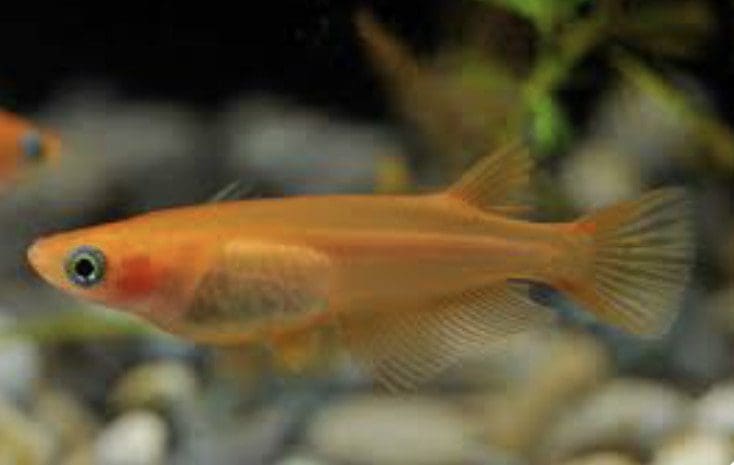
Medaka Platinum

Breeding medaka is relatively simple, and it can be done in small aquaria with a minimum amount of equipment. Here are some basic steps to follow for medaka breeding:

  1. Choose healthy and sexually mature medaka fish: Select healthy adult medaka fish that are at least six months old and have reached sexual maturity.
  2. Set up a breeding tank: Set up a breeding tank with a capacity of at least 5 gallons, and provide it with a heater and a filter. The temperature of the water should be maintained at around 25°C.
  3. Provide hiding places: Add some plants or other hiding places to the breeding tank to create a comfortable environment for the fish.
  4. Introduce a breeding pair: Place a male and female medaka in the breeding tank. Make sure that the ratio of males to females is 1:1.
  5. Observe the fish: Observe the fish closely to identify mating behavior. The male medaka will chase the female and display his colorful fins to attract her.
  6. Collect the eggs: After mating, the female will lay eggs in the plants or other hiding places. Use a small net to collect the eggs and transfer them to a separate hatching tank.
  7. Incubate the eggs: Incubate the eggs in the hatching tank for around five days until they hatch into fry.
  8. Feed the fry: Feed the fry with small amounts of brine shrimp or other small aquatic organisms. Make sure to provide them with a clean and well-maintained environment to ensure their healthy growth.
  9. Separate the fry: After about two weeks, separate the fry from the adult medaka and move them to a separate tank for further growth and development.

These basic steps should help you successfully breed medaka in your home aquarium. However, it is important to note that some varieties of medaka, such as the albino or fluorescent medaka, require specialized breeding techniques.

Medaka Orange

Medaka are omnivorous fish and can eat a variety of foods. Here are some guidelines for feeding medaka:

  1. Commercial fish food: Medaka can be fed commercial fish food pellets or flakes that are designed for small tropical fish. These foods are generally nutritionally balanced and contain a mix of plant and animal-based ingredients.
  2. Live or frozen food: Medaka can also be fed live or frozen foods such as brine shrimp, daphnia, or bloodworms. These foods are rich in protein and can help to enhance the fish’s natural coloration.
  3. Vegetables: Medaka also enjoy eating small pieces of vegetables such as zucchini or spinach. These foods should be cooked or blanched to make them easier for the fish to digest.
  4. Frequency and quantity: Medaka should be fed two to three times a day, in small portions that they can consume within 2-3 minutes. Overfeeding can cause digestive problems and pollute the aquarium water.
  5. Variety: It is important to provide a varied diet to medaka to ensure that they get all the necessary nutrients. A mix of commercial fish food, live or frozen foods, and vegetables can help provide a balanced diet.
  6. Water quality: Clean and well-maintained aquarium water is also important for medaka’s health and growth. Make sure to perform regular water changes, and avoid overfeeding to prevent water pollution.

By following these guidelines, you can ensure that your medaka are well-fed and healthy.
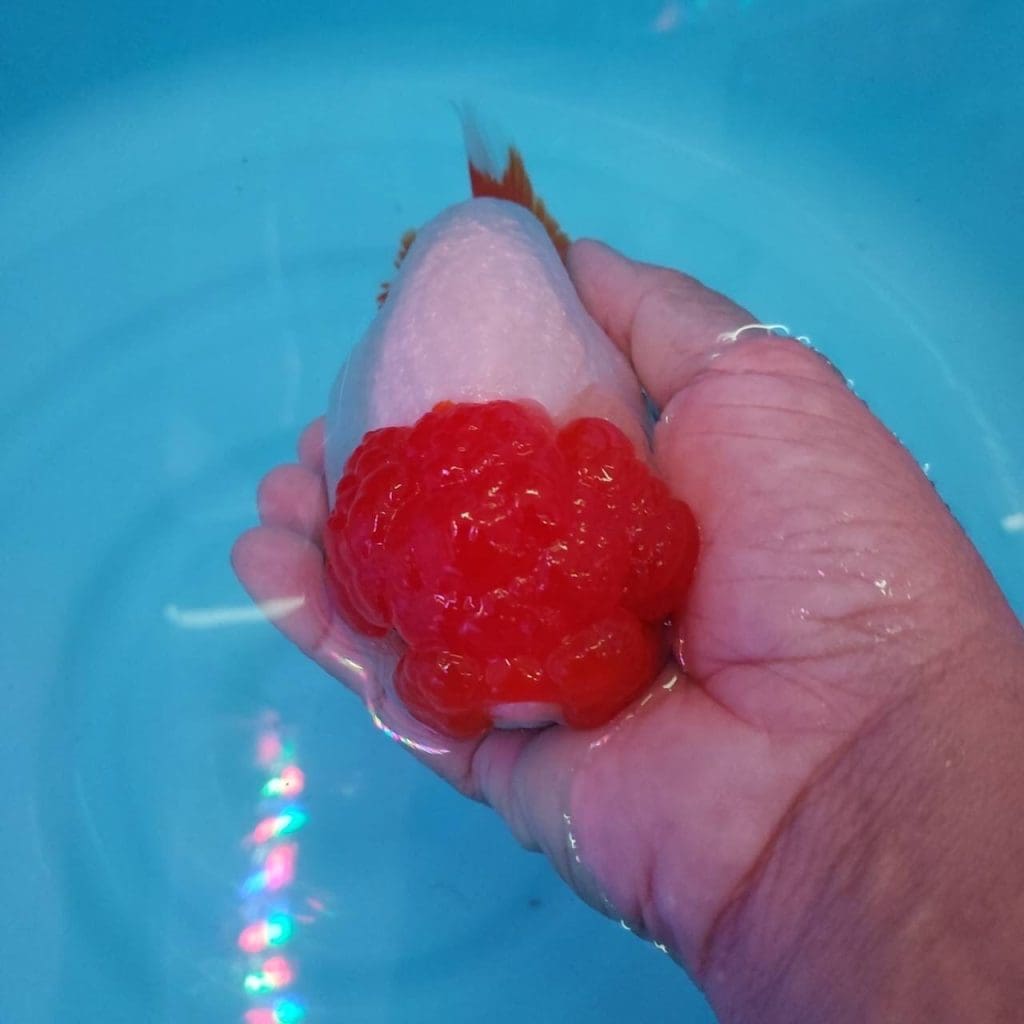
Don’t hesitate to contact us for full stock and price list

Categories
News

Import tropical fish from Thailand to the USA

Import/Export tropical aquarium fish from Thailand to USA

Thanks to the end of the COVID 19 pandemic, airfares are gradually returning to normal. At this moment we are once again exporting to the United States of America with the same affordable rates that existed until 2019. In addition to this, most of the airports are available again, finally decreeing a return to normal.
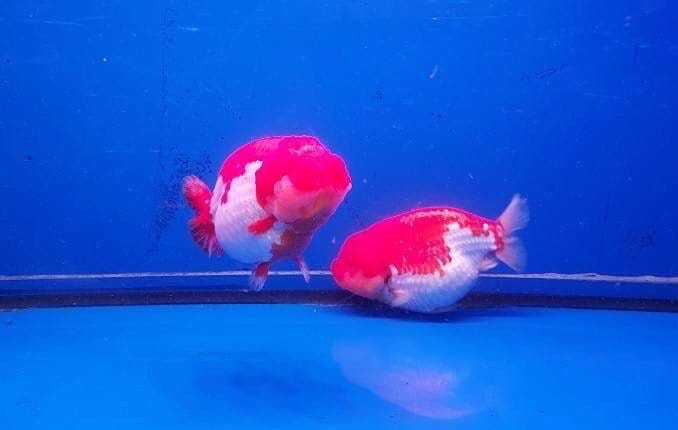
For all new customers, we summarize below some aspects to keep in mind to easily import tropical fish from Thailand to the United States of America.

Importing tropical fish from Thailand to the USA requires compliance with a number of regulations and requirements. Here are some key steps to consider:

  1. Obtain a permit: Before you can import tropical fish from Thailand to the USA, you need to obtain a permit from the U.S. Fish and Wildlife Service (FWS). This permit is known as a CITES (Convention on International Trade in Endangered Species) permit, and it is required for all shipments of wildlife and wildlife products that are covered by CITES.
  2. Choose a reputable exporter: You will need to find a reputable exporter in Thailand who can supply you with the tropical fish you want to import. Look for an exporter with a good track record of compliance with CITES regulations and a solid reputation in the industry.
  3. Confirm compliance with Thai export regulations: The exporter will need to comply with Thai export regulations, which may include obtaining an export permit from Thai authorities. Make sure the exporter can provide you with all necessary documentation to demonstrate compliance with these regulations.
  4. Arrange for transport: You will need to arrange for transport of the tropical fish from Thailand to the USA. This may involve working with a freight forwarder or other logistics provider to ensure that the fish are transported safely and in compliance with all relevant regulations.
  5. Meet U.S. import requirements: Once the tropical fish arrive in the USA, they will need to meet all relevant import requirements. This may include inspection by the U.S. Department of Agriculture (USDA) or the FWS, and compliance with regulations related to animal health and welfare.
  6. Pay any required fees: There may be fees associated with importing tropical fish from Thailand to the USA, including fees for permits, inspections, and other services. Make sure you understand all costs associated with the import process before you begin.

It’s important to note that regulations and requirements for importing tropical fish can vary depending on the species and other factors. You should consult with a qualified expert or regulatory agency for specific guidance on importing the specific species of tropical fish you are interested in.

Do not hesitate to contact us for more information

Categories
News

Oranda Shogun for sale in Thailand

Import/Export Oranda Shogun in Thailand. Shogun Oranda wholesale

Breeding Oranda goldfish, also known as “Oranda Shogun” in Japan, can be a rewarding and fascinating hobby. Here are some basic steps for breeding Oranda goldfish:

  1. Choose healthy adult fish: Look for healthy Oranda goldfish that are at least one year old and have reached sexual maturity. You should choose a male and female fish that have similar body size and shape.
  2. Create a breeding tank: Prepare a breeding tank with a volume of at least 20 gallons. The tank should have a filtration system, heater, and an air stone for oxygenation. The water should be clean and well-oxygenated, with a temperature between 68 and 72 degrees Fahrenheit.
  3. Introduce the fish to the breeding tank: Introduce the male and female fish to the breeding tank and allow them to get comfortable with their surroundings for a few days.
  4. Observe the fish behavior: Watch the fish carefully for signs of breeding behavior, such as the male chasing the female, nudging her belly, and pressing his body against hers.
  5. Provide spawning material: Once breeding behavior is observed, provide spawning material such as a spawning mop, which is a bunch of yarn or cotton tied together in a clump. The fish will lay eggs on the mop, and you can remove it from the tank once the eggs have been laid.
  6. Incubate the eggs: Incubate the eggs in a separate tank with similar water conditions to the breeding tank, and keep the temperature stable. The eggs will hatch within 48 to 72 hours.
  7. Feed the fry: Once the fry have hatched, feed them small amounts of baby brine shrimp or commercially available fry food. It is important to remove any uneaten food to prevent water contamination.

Breeding Oranda goldfish can be a rewarding experience, but it requires patience, attention to detail, and a commitment to providing a healthy environment for the fish.

Oranda Shogun Small Size

The Oranda goldfish, also known as “Oranda Shogun” in Japan, is a type of fancy goldfish that is known for its distinct body shape and head growth. The body shape of an Oranda Shogun is characterized by a short, deep body with a slightly curved back and a large, rounded belly. The tail fin is usually short and slightly forked, while the dorsal fin is long and erect. The pectoral fins are delicate and feathery, while the anal fin is single and long.

One of the most distinctive features of the Oranda Shogun is its head growth, which is called a “wen.” The wen is a fleshy growth that covers the top of the head and extends down the sides of the face. It is usually round and symmetrical, and can range in size from small and compact to large and flowing. The wen is an important characteristic of the Oranda Shogun and is one of the key features that distinguishes it from other types of fancy goldfish.

In general, the body shape of an Oranda Shogun should be symmetrical and proportionate, with a short, deep body and a large, rounded belly. The head growth should be round and well-developed, but should not impede the fish’s ability to see or swim. When selecting an Oranda Shogun, it is important to look for a fish with a well-proportioned body and a healthy, well-developed wen.

Shogun Oranda for sale in Thailand

Proper feeding is essential for the health and well-being of your Oranda goldfish, also known as “Oranda Shogun” in Japan. Here are some tips for feeding your Oranda Shogun:

Choose the right food: Oranda Shogun goldfish are omnivorous and will eat both plant and animal matter. Choose a high-quality commercial fish food that is formulated specifically for goldfish, or you can supplement their diet with fresh or frozen foods such as brine shrimp, bloodworms, and daphnia.

Feed in small portions: Goldfish have small stomachs and are prone to overeating, which can lead to health problems. Feed your Oranda Shogun in small portions two to three times a day, only giving them the amount of food they can consume in 2-3 minutes.

Avoid overfeeding: Overfeeding can lead to obesity, digestive problems, and water quality issues. If you notice that your Oranda Shogun is leaving uneaten food in the tank, adjust the amount of food you are feeding them.

Supplement with greens: Oranda Shogun goldfish enjoy eating greens such as lettuce, spinach, and peas. You can blanch these vegetables and feed them to your fish as a supplement to their regular diet.

Provide variety: Goldfish enjoy a variety of foods, so it’s a good idea to switch up their diet from time to time. This will also help ensure that they are getting all of the nutrients they need to stay healthy.

Monitor water quality: Overfeeding can lead to water quality issues, so it’s important to monitor the water quality in your Oranda Shogun’s tank regularly. Remove any uneaten food to prevent it from decaying and polluting the water.

By following these tips, you can help ensure that your Oranda Shogun goldfish are healthy and well-fed.

Oranda Shogun L Size
Categories
News

Ranchu High Grade for sale in Thailand – Import/Export Ranchu from Thailand

Import high quality ranchu from Thailand

Ranchu is a type of fancy goldfish that originated in Japan. It is known for its round body shape, hooded forehead, and double tail fins. Ranchu goldfish are popular among aquarium hobbyists and are prized for their attractive appearance and distinctive features. They are generally kept in indoor aquariums and need a good filtration system to maintain a healthy environment.

Ranchu breeding can be a challenging process, as these fish have specific requirements for optimal health and breeding success. Here are some key points to consider when breeding Ranchu goldfish:

  1. Water Quality: Ensure that the water in the breeding tank is clean, clear, and of good quality. Regular water changes and a proper filtration system are essential for maintaining a healthy environment for the fish.
  2. Tank Size: Ranchu goldfish require a large breeding tank with ample space for swimming and laying eggs.
  3. Diet: A nutritious diet is important for the overall health of Ranchu goldfish, and it is essential for breeding success. Feed a varied diet of high-quality pellets, fresh vegetables, and live or frozen foods.
  4. Conditioning: Condition the breeding fish by feeding them a high-protein diet for several weeks before breeding to encourage optimal health and fertility.
  5. Selection: Choose healthy, robust specimens of Ranchu goldfish for breeding. Fish with physical abnormalities or deformities should not be used for breeding.
  6. Timing: The breeding season for Ranchu goldfish typically begins in the spring and lasts through the summer. Breeding success can be improved by changing the water temperature and adjusting the lighting to mimic the natural changes in the environment.

Remember, breeding Ranchu goldfish is a complex process that requires knowledge, patience, and dedication. It is important to research and seek advice from experienced breeders before attempting to breed these fish.

There are several different strains of Ranchu goldfish, each with its own unique physical characteristics and traits. Some of the most common Ranchu strains include:

  1. Lionhead Ranchu: Known for their distinctive hooded forehead, Lionhead Ranchu are one of the most recognizable Ranchu strains. They have a round body shape and a double tail fin.
  2. Oranda Ranchu: Oranda Ranchu are similar to Lionhead Ranchu, but with a more pronounced hood. They also have a round body shape and a double tail fin.
  3. Ryukin Ranchu: Ryukin Ranchu are known for their high-backed body shape and distinctive dorsal fin. They have a round body shape and a double tail fin, and come in a variety of colors.
  4. Pearlscale Ranchu: Pearlscale Ranchu are named for their distinctive pearlescent scales. They have a round body shape and a double tail fin, and come in a variety of colors.
  5. Bubble Eye Ranchu: Bubble Eye Ranchu are known for their unique fluid-filled sacs under their eyes. They have a round body shape and a double tail fin.

Each of these Ranchu strains has specific care requirements, so it is important to research and understand the needs of each strain before purchasing.

Ranchu panda

The Ranchu Panda is a type of fancy goldfish that is a cross between a Ranchu and a Panda Telescope Eye goldfish. It has the round body shape and double tail fins of a Ranchu, combined with the unique black and white coloring of a Panda Telescope Eye.

Ranchu Pandas are prized by aquarium hobbyists for their distinctive appearance and active swimming behavior. However, like all fancy goldfish, they require specific care to maintain their health and well-being. This includes a large aquarium with adequate swimming space, a proper filtration system, and a nutritious diet.

It is important to research the specific care requirements for Ranchu Pandas and seek advice from experienced hobbyists to ensure that they are provided with the proper environment for optimal health and longevity.

Racnhu tricolor

Ranchu Tricolor is a type of fancy goldfish that is prized for its unique coloring. As the name suggests, it has three distinct colors on its body, typically black, white, and red. This combination of colors creates a striking and attractive appearance that sets it apart from other fancy goldfish.

Like all fancy goldfish, Ranchu Tricolor requires specific care to maintain its health and well-being. This includes a large aquarium with adequate swimming space, a proper filtration system, and a nutritious diet. It is also important to provide a stable environment and to avoid stress, which can have a negative impact on the fish’s health.

It is recommended to research the specific care requirements for Ranchu Tricolor and to seek advice from experienced hobbyists to ensure that they are provided with the proper environment for optimal health and longevity.

Ranchu buffalo
Ranchu Panda/Tricolor
Ranchu Fancy
Ranchu Red and White
Ranchu Red&White
Red and White Ranchu
Ranchu Black
Ranchu Calico
Calico Ranchu
Categories
News

Betta Giant For Sale In Thailand – Import/Eport Betta Giant

Betta giant: information and details on the king of bettas

Betta giant is a term used to describe a type of Betta fish that has been selectively bred to grow larger than the average Betta fish. Betta fish are a species of freshwater fish that are commonly kept as pets and are known for their vibrant colors and aggressive behavior. Giant Bettas can reach up to 6 inches in length and can weigh up to 2 ounces.

Betta Giant breeding involves selectively breeding Betta fish to produce offspring that are larger than average. This is typically done by pairing the largest, healthiest Bettas with each other and carefully selecting the offspring for further breeding. The process can take several generations of breeding to produce Bettas that are significantly larger than average. In order to breed healthy and robust Bettas, it’s important to provide proper care and nutrition, maintain optimal water conditions, and avoid inbreeding.

Caring for Betta Giants requires the following:

  1. Tank size: A minimum tank size of 2.5 gallons is recommended for one Betta Giant.
  2. Water temperature: Keep the water temperature between 76-82°F.
  3. Water quality: Perform regular water changes and maintain high water quality with a filter and a heater.
  4. Diet: Provide a varied diet of live or frozen foods such as bloodworms, brine shrimp, and daphnia.
  5. Lighting: Provide low to moderate lighting to mimic their natural habitat.
  6. Decorations: Provide hiding spots and plenty of plants for the Betta Giant to rest and play in.
  7. Aggression: Betta Giants can be aggressive, so it is important to keep them in a tank with plenty of space and avoid overcrowding.

By providing proper care and a suitable environment, Betta Giants can live for up to 5 years.

Betta Giants, as the name suggests, can grow to be significantly larger than the average Betta fish. The final size of a Betta Giant can vary depending on factors such as genetics, diet, and overall health. On average, Betta Giants can reach a length of 4-6 inches and a weight of 1-2 ounces. However, some individuals may grow larger or smaller than this, so it is difficult to determine a definitive final size.

Betta Giants require a varied diet to maintain optimal health. A balanced diet for a Betta Giant should include:

Live or frozen foods: Bloodworms, brine shrimp, and daphnia are popular options.

Pellets or flakes: Offer a high-quality, protein-rich pellet

It’s important to feed Betta Giants in small amounts, multiple times a day, rather than one large feeding. Overfeeding can lead to health problems such as bloating and constipation. A varied diet will provide the necessary nutrients and support the Betta Giant’s overall health.

Don’t hesitate to contact us to check our Betta Giant availability

Betta Giant Nemo Galaxy
Betta Giant Nemo and Yellow Koi
Betta Giant Metallic and Koi
Betta Giant Yellow Koi
Categories
News

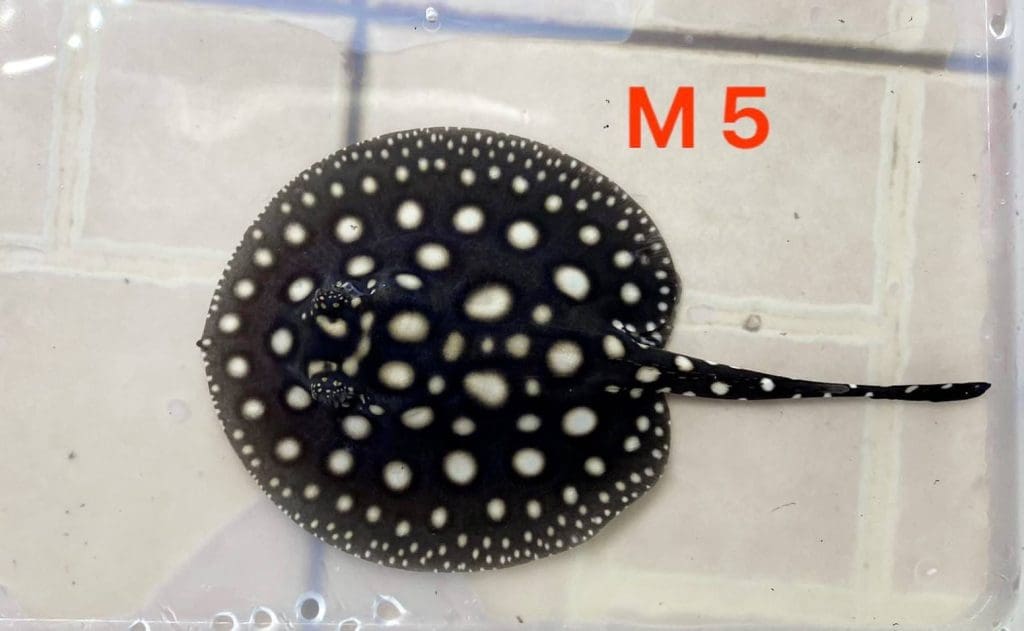
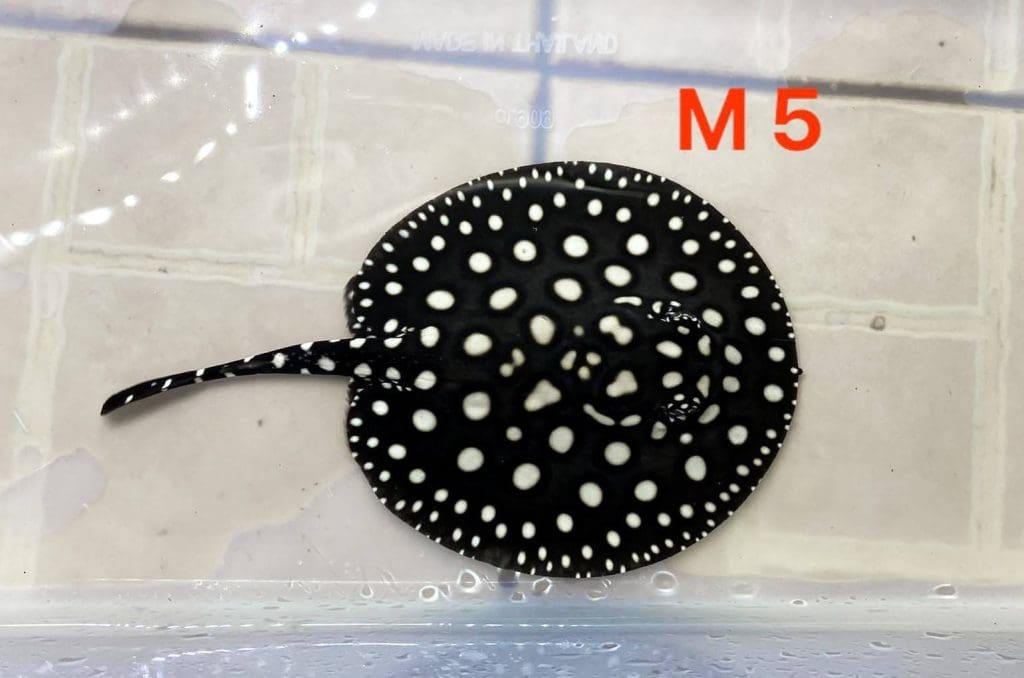
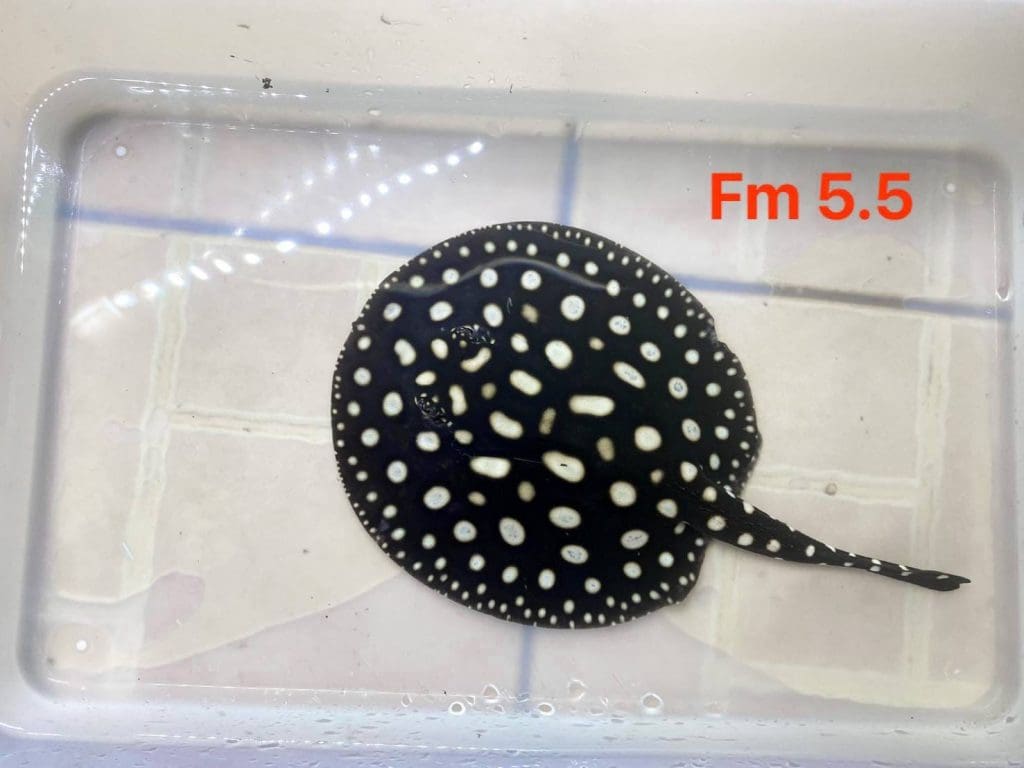
Bred freshwater stingray Potamotrygon leopoldi for sale in Thailand – Black Diamond

A large stock of aquarium kept Black Diamond freshwater stingrays for sale in Thailand

Potamotrygon leopoldi, also known as the Leopold’s River Stingray, is a species of freshwater stingray found in the Paraguay-ParanĂ¡ basin in South America. It is a medium-sized ray, typically reaching a disc width of around 50 cm. The species is known for its striking coloration, which includes a dark brown or black background with white or yellow spots. It is considered a vulnerable species due to habitat loss and overfishing.

Freshwater stingray,Black Diamond
Potamotrygon leopoldi

Potamotrygon leopoldi is a species of freshwater stingray that is known for its striking coloration, which includes a dark brown or black background with white or yellow spots. However, there are different strains of P. leopoldi that exhibit variations in their coloration and patterning. These strains are typically referred to as “morphs” or “color forms” and are often named after the location where they were first collected. Some examples of P. leopoldi morphs include:

  • The “normal” strain, which is the most common and has a dark brown or black background with white or yellow spots.
  • The “white diamond” strain, which has a white background with black spots and a black border around the spots.
  • The “yellow diamond” strain, which has a yellow background with black spots and a black border around the spots.
  • The “white spot” strain, which has a dark brown or black background with larger white spots and a white border around the spots.

It is worth noting that these morphs are not different subspecies or varieties, but just variations of the same species.

In captivity, breeding of different strains is not very common, as it is hard to keep and maintain them in captivity, and also it is a complex process to breed them.

Freshwater stingray,Black Diamond
Black Diamond
Freshwater stingray,Black Diamond
Black Diamond, Male

Potamotrygon leopoldi is a carnivorous species and its diet in the wild mainly consists of fish, crustaceans and insects. In captivity, it can be fed with a variety of foods such as:

  • Live or frozen fish (e.g. silversides, krill, squid, or earthworms)
  • Shrimp or prawns
  • Small pieces of fish or meat
  • Prepared frozen foods specifically formulated for stingrays

It is important to provide a varied diet to Potamotrygon leopoldi to ensure that it receives all the necessary nutrients. Feeding should be done in small amounts several times a day, instead of one large feeding. It is also important to note that Potamotrygon leopoldi is a bottom-dwelling species, so the food should be placed on the bottom of the tank or in a feeding area specifically designed for it.

It is also important to note that overfeeding can lead to obesity and other health problems, so the feeding should be done in moderation and with consideration of the size and activity level of the individual ray.

Freshwater stingray,Black Diamond
P. leopoldi
Freshwater stingray,Black Diamond
Black Diamond, Female
Categories
News

Import Symphysodon discus – Discus – from Thailand

Discus bred in Thailand. An excellent choice in terms of quality and affordable price

Discus fish are a species of freshwater fish that are native to the Amazon River basin in South America.

They are known for their unique shape and bright colors, and are a popular species for aquarium enthusiasts. They are a relatively sensitive species, and require high water quality, a balanced diet and specific water parameters to thrive in captivity. They are also considered relatively difficult to breed in captivity. They are a tropical fish and need a water temperature between 80-86 degree Fahrenheit and a pH between 6.0-7.5 and a water hardness between 2-12 dGH.

Breeding Discus fish can be a challenging task, as they have specific requirements for water quality, temperature, and diet. Here are some general guidelines for breeding Discus fish:

  1. Provide a spacious aquarium: Discus fish require a large aquarium with plenty of swimming space. A breeding pair will need at least a 55-gallon tank.
  2. Maintain optimal water parameters: Discus fish require clean, warm water with a pH between 6.0-7.5 and a water hardness between 2-12 dGH. It’s also important to keep the water temperature between 82-86 degrees Fahrenheit.
  3. Feed a high-quality diet: Discus fish require a well-balanced diet of high-quality protein, such as worms, brine shrimp, and bloodworms.
  4. Provide a suitable breeding surface: Discus fish typically lay their eggs on a flat surface, such as a piece of slate or a plastic breeding cone.
  5. Provide a quiet and dimly lit environment: Discus fish are sensitive to light and noise, so it’s important to provide a quiet, dimly lit environment during breeding.
  6. Separate the fry: Once the eggs hatch, it’s important to separate the fry from the adults to prevent them from being eaten.
  7. Feeding the fry: Feeding the fry with finely crushed flake food, baby brine shrimp, and infusoria until they are large enough to accept microworms, grindal worms and vinegar eels.

It’s also important to note that breeding Discus fish can be difficult and requires patience and experience. It may take several attempts before successfully breeding the fish.

Discus fish have distinct behaviors that can be observed in the wild and in captivity. Here are a few examples of typical Discus fish behaviors:

  1. Schooling: Discus fish are social animals and typically prefer to live in groups. They are often seen swimming together in a tight group or “school.”
  2. Nesting: Discus fish will often lay their eggs on a flat surface, such as a piece of slate or a plastic breeding cone. They will then take turns fanning the eggs with their fins to oxygenate them and keep them clean.
  3. Parental care: Discus fish are known for their parental care, with both parents participating in caring for the eggs and fry.
  4. Territory: Discus fish can be territorial, especially during breeding season. They will defend a specific area of their tank as their territory and may become aggressive towards other fish that enter that area.
  5. Resting: Discus fish will often rest on the bottom of the tank or on a flat surface, such as a piece of slate or a plastic breeding cone.
  6. Feeding: Discus fish are opportunistic feeders and will eat a wide variety of foods, including worms, brine shrimp, and bloodworms. They typically prefer to eat small, frequent meals throughout the day.
  7. Color change : Discus fish can change color as a form of communication and expression. The color change can be caused by different factors, such as stress, mood, or territorial displays.

By observing your discus behavior you can understand the fish better and create a suitable environment for them.

Discus fish come in a wide variety of strains or subspecies, each with their own unique characteristics and color patterns. Some of the more popular strains of Discus fish include:

  1. The “Wild Type” Discus: This is the original strain of Discus fish, which is found in the wild in the Amazon River basin. They have a brownish-green color with dark vertical stripes.
  2. The “Alenquer” Discus: This strain has a brownish-green color with a dark vertical band and a yellow or orange band around the edges of the fins.
  3. The “Heckel” Discus: This strain is named after the German explorer and naturalist Johann Heckel, who first described the species in 1858. They have a brownish-green color with dark vertical stripes and a distinctive black band around the edges of the fins.
  4. The “Pigeon Blood” Discus: This strain is known for its deep red color and is considered one of the most highly prized strains of Discus fish.
  5. The “Turquoise” Discus : This strain is known for its blue-green color, with a hint of turquoise.
  6. The “Blue Diamond” Discus : This strain is known for its deep blue color.
  7. The “Leopard” Discus: This strain is known for its leopard-like spots on the body, which can be a variety of colors.
  8. The “Snakeskin” Discus : This strain is known for its unique snake-like skin pattern, which can be a variety of colors.

These are some of the most common strains of Discus fish, but there are many other strains and variations available, each with its own unique characteristics and color patterns.

In our price list you can always find available:

  • ROYAL TURQUOISE DISCUS 6.5CM
  • ROYAL TURQUOISE DISCUS 7.5CM
  • COBALT BLUE DISCUS 6.5CM
  • COBALT BLUE DISCUS 7.5CM
  • RED EAGLE DISCUS 7.5CM
  • RED EAGLE DISCUS 8-9CM
  • GHOST DISCUS 7.5CM
  • GHOST DISCUS 10CM
  • BLUE DIAMOND DISCUS 6.5CM
  • BLUE DIAMOND DISCUS 7.5CM
  • MAROLBORO RED DISCUS 7.5CM
  • MAROLBORO RED DISCUS 8-9CM
  • RED TURQUIOSE DISCUS 6.5CM
  • RED TURQUIOSE DISCUS 7.5CM
  • GOLDEN DISCUS 6.5CM
  • GOLDEN DISCUS 7.5CM
  • GOLDEN DISCUS 8-9CM
  • SNOW WHITE DISCUS 6.5CM
  • SNOW WHITE DISCUS 7.5CM
  • ASSORTED DISCUS 5CM
  • ASSORTED DISCUS 6.5CM
  • ASSORTED DISCUS 7.5CM
  • ASSORTED DISCUS 8-9CM
  • ASSORTED DISCUS 12-12.5CM
  • TOMATO RED DISCUS 6.5CM
  • TOMATO RED DISCUS 7.5CM
  • TOMATO RED DISCUS 8-9CM
  • MELON RED DISCUS 7.5CM
  • MELON RED DISCUS 8-9CM
  • CHECKERBOARD DISCUS 8-9CM
  • CHECKERBOARD DISCUS 10CM
Categories
News

Feed 4 Fish Italian Betta Show Contest 2023 17/18 June – Carvico – Bergamo Italy

Siamo contenti di supportare questo nuovo evento dedicato ai Betta:

– Italian Betta Show 2023.

Questo competizione si terra’ il 17 e il 18 di Giugno in Italia, presso la sede della azienda agricola La Mangrovia, nella cittadina  Carvico in via Bedesco in provincia di Bergamo.  Questo evento comprendera’ una competizione uffiale di Betta Show che seguira’ gli standard di giudizio della associazione Bettas4all con la presenza di giudici di importanza internazionale. Nella stessa struttura e negli stessi giorni, si terra’ anche una altra manifenstazione: Wild Form Expo, dove gli appassionati di questo meraviglioso  hobby potranno osservare dal vivo i pesci appartenenti alle famiglia degli Anabantoidae e alla famiglia degli Osphronemidae (la famiglia di origine a cui appartengono i Betta) nelle loro forme e colorazioni originali, grazie ad un lungo processo di selezione partito dalle forme selvatiche e rigorosamente mantenuto nelle generazioni successive. Noi di Feed4Fish saremo presenti con il nostro mangime dedicato alla alimentazione dei Betta ma non solo: presenteremo a tutti i partecipanti la nostra linea dedicata ai pesci tropicali di acqua dolce (dall’avannotto fino agli snack per carpe koi)

Che cosa ha di diverso il mangime per i Betta della linea Feed4Fish? Oltre ad una accurata scelta delle materie prime, i nostri mangimi non contengono proteine animali provenienti dalla pesca e dai suoi scarti industriali: l’unica fonte di proteine nobili presente nei nostri mangimi previene esclusivamente dalle farine e dagli olii di Hermetia illucens (comunemente chiamato mosca soldato – Black soldier fly in inglese), un piccolo insetto che, oltre ad avere una percentuale di proteine nobili al suo interno molto elevata, puo’ essere allevato esclusivamente con gli scarti organici provenienti dalla agricoltura, rendendo la sua produzione a zero impatto ambientale. Inoltre, grazie al ciclo “chiuso”, e’ possibile dare anche maggior valore al lavoro dei contadini, aumentando la loro produttivita’ e ottimizzando gli sprechi alimentari.

Vi aspettiamo numerosi a questo evento presso la sede della azienda agricola La Mangrovia.

Ogni hobbista e allovatore europeo sara’ il benvenuto.

Coglieremo l’occasione per conoscervi e per farvi vedere la nostra linea completa di mangimi, potendovi spiegare dal vivo le caratteristiche principali e le migliori modalita’ di utilizzo di questo innovative prodotto

Non esitate ad iscrivervi a questa competizione internazionale e, per qualsiasi richiesta di informazione, contattate tramite il sito ufficiale La Mangrovia.

Ci vediamo a Giugno !!!!

Italian Betta Contest – Betta4all- La Mangrovia

We are happy to support this new event dedicated to Bettas: Italian Betta Show 2023.

This event will take place on the 17th and 18th of June in Italy, at the headquarters of the La Mangrovia farm, in the small town of Carvico in Bedesco Street in the province of Bergamo (North of Italy). This event will include an official Betta Show competition which will follow the judging standards of the Bettas4all association with the presence of internationally renowned judges. In the same structure and on the same days, another event will also be held: Wild Form Expo, where fans of this wonderful hobby will be able to observe live fish belonging to the Anabantoidae family and to the Osphronemidae family (the family of origin to which Bettas belong) in their original shapes and colours, thanks to a long selection process starting from the wild shapes and rigorously maintained in the following generations. We at Feed4Fish will be present with our feed dedicated to feeding Bettas but not only: we will present to people our entire line dedicated to tropical aquarium fish (from fry to koi carp snacks)

What is different about Feed4Fish food for Bettas? In addition to a careful selection of raw materials, our feed does not contain animal proteins from fishing and its industrial waste: the only source of noble proteins present in our feed comes exclusively from the flours and oils of Hermetia illucens (Black soldier fly), a small insect which, in addition to having a very high percentage of noble proteins inside, can be raised exclusively with organic waste from agriculture, making its production zero environmental impact. Furthermore, thanks to the “closed” cycle, it is possible to give even greater value to the work of farmers, increasing their productivity and optimizing food waste.

We look forward to seeing you at this event at the headquarters of the La Mangrove farm. Every European hobbyist and breeder will be welcome. We will take the opportunity to get to know you and to show you our complete line of feed, being able to explain the main features and the best methods of use live

Do not hesitate to register for this international competition and, for any information request, contact the official La Mangrovia website.

See you in June !!!!

Italian Betta Contest – Betta4all- La Mangrovia