Categories
News

Asian Arowana – Scleropages formosus-

Asian Arowana

Maipenrai Aquarium Tropical fish Exporter

The Asian Arowana, also known as the dragon fish, is a species of freshwater fish that is native to Southeast Asia. It is a popular aquarium fish, prized for its striking appearance, intelligence, and symbolism in Chinese culture.

Asian Arowanas are large, predatory fish that can grow up to three feet long in captivity. They have elongated bodies and large scales, with colors ranging from red, gold, and green to silver and black. The fish also have distinctive barbels, or whiskers, around their mouths.

In the wild, Asian Arowanas are found in slow-moving rivers and swamps, where they feed on a variety of prey, including insects, crustaceans, and small fish. In captivity, they require a large aquarium with plenty of swimming space and hiding places, as well as a diet of high-quality pellets and occasional live food.

The Asian Arowana is considered an endangered species in the wild due to overfishing and habitat loss. As a result, the trade and ownership of this species is heavily regulated in many countries, including the United States. If you are interested in keeping an Asian Arowana, it is important to research the legal requirements in your area and purchase fish from reputable sources that do not contribute to illegal trade.

Arowana Chilli super red

reeding Asian Arowanas in captivity can be a challenging but rewarding experience. Here are some basic steps for breeding Asian Arowanas:

  1. Sexing: Male and female Asian Arowanas have some physical differences that can help you determine their sex. Males tend to have a larger head and longer dorsal fin, while females are rounder in the belly and have a shorter dorsal fin.
  2. Pairing: Once you have identified a male and female, you will need to pair them up in a suitable breeding tank. The tank should be at least 6 feet long and have a capacity of at least 150 gallons.
  3. Conditioning: Before breeding, the male and female should be conditioned with a high-quality diet of pellets and live food. You can also simulate the rainy season by lowering the water level in the tank and increasing the temperature and humidity.
  4. Spawning: When the male and female are ready to spawn, they will engage in a courtship ritual, during which the male will chase and nudge the female. The female will then lay eggs on a vertical surface, such as a piece of slate or plexiglass, and the male will fertilize them.
  5. Incubation: The eggs should be carefully removed from the breeding tank and placed in a separate incubation tank. The water in the incubation tank should be kept clean and well-oxygenated, with a temperature of around 82-86°F. The eggs will hatch in about 2-3 days, and the fry will absorb their yolk sacs for another 5-7 days before becoming free-swimming.
  6. Rearing: Once the fry are free-swimming, they can be fed newly hatched brine shrimp or other small live foods. As they grow, they can be transitioned to a diet of high-quality pellets.

Breeding Asian Arowanas requires a significant investment of time and resources, as well as knowledge and experience. If you are considering breeding these fish, it is important to do your research and seek guidance from experienced breeders.

Red Tail Gold Arowana

Asian Arowanas are known for their striking and vivid colors, which can vary depending on the species and the individual fish. Here are some common colors and varieties of Asian Arowanas:

  1. Red Arowana: This is the most common color of Asian Arowana, and it is highly prized in Chinese culture for its resemblance to the mythical dragon. Red Arowanas can range from deep blood red to a lighter orange-red.
  2. Gold Arowana: Gold Arowanas have a bright, metallic sheen that can range from a pale gold to a deep bronze. They are highly sought after for their unique coloration.
  3. Green Arowana: Green Arowanas have a rich, emerald green color that is highly valued in the aquarium trade. They are rarer than other color varieties and are considered a prized collector’s item.
  4. Silver Arowana: Silver Arowanas are a light, silvery color with a metallic sheen. They are highly reflective and can appear almost white in certain lighting conditions.
  5. Black Arowana: Black Arowanas are a rare color variety that can be highly sought after. They are typically a dark, glossy black with metallic scales that can reflect a rainbow of colors.

In addition to these basic color varieties, some Asian Arowanas can have unique patterns or markings, such as spots or stripes. However, it is important to note that some color variations may be due to hybridization or artificial color enhancement, which can impact the health and integrity of the fish. As with any aquarium fish, it is important to purchase Asian Arowanas from reputable sources that breed and sell healthy, high-quality fish.

Feeding an Asian Arowana is an important aspect of their care and can help keep them healthy and vibrant. Here are some tips for feeding an Asian Arowana:

  1. Diet: Asian Arowanas are primarily carnivorous and require a diet that is high in protein. A high-quality pellet or stick food should make up the bulk of their diet, supplemented with occasional live foods such as insects, shrimp, or small fish.
  2. Feeding frequency: Adult Asian Arowanas should be fed once a day, while younger fish may require two or three small meals throughout the day. It is important not to overfeed your fish, as this can lead to health problems such as bloating, constipation, and swim bladder issues.
  3. Feeding technique: When feeding your Asian Arowana, it is best to use a feeding stick or tongs to drop the food directly in front of the fish. This can help prevent aggressive behavior and ensure that each fish receives an adequate amount of food.
  4. Variety: In addition to a staple pellet or stick food, it is important to offer your Asian Arowana a variety of live foods to promote a healthy and balanced diet. You can try offering shrimp, mealworms, or small feeder fish.
  5. Water quality: Proper water quality is essential for the health and well-being of your Asian Arowana, and it can also impact their appetite and feeding behavior. Make sure to maintain a clean and well-filtered aquarium with proper temperature and pH levels.

It is important to note that overfeeding or offering an imbalanced diet can lead to health problems in Asian Arowanas, such as fatty liver disease and swim bladder issues. Always monitor your fish for signs of poor health and adjust their diet and feeding routine as needed.

High Back Golden Arowana
Categories
News

Feed 4 Fish

Feed4Fish – A new feed for fish with an unique new formula –

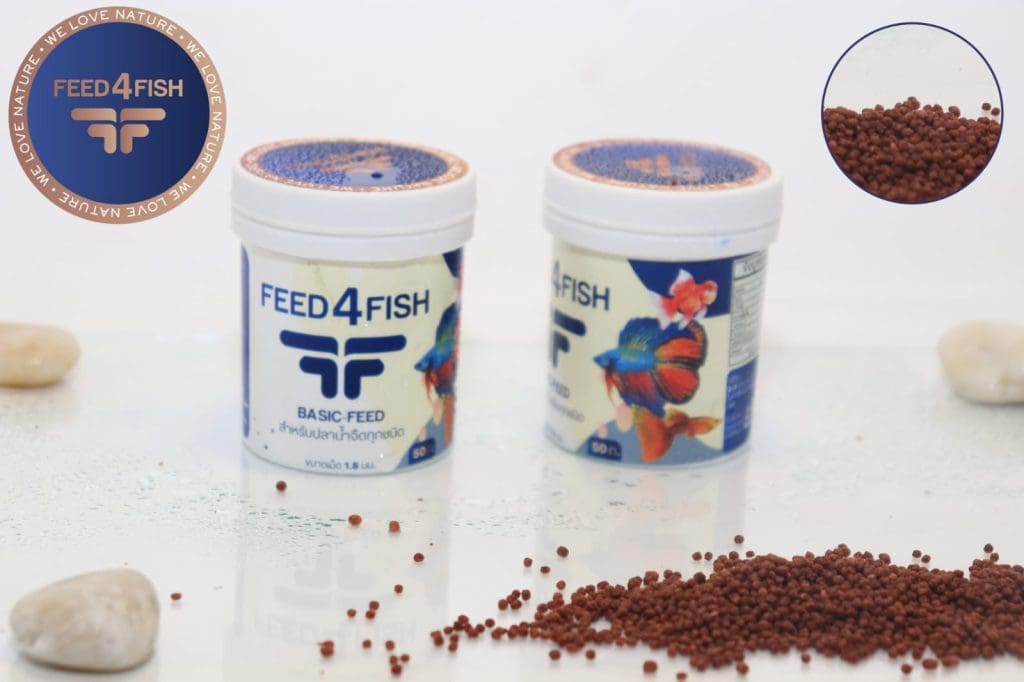
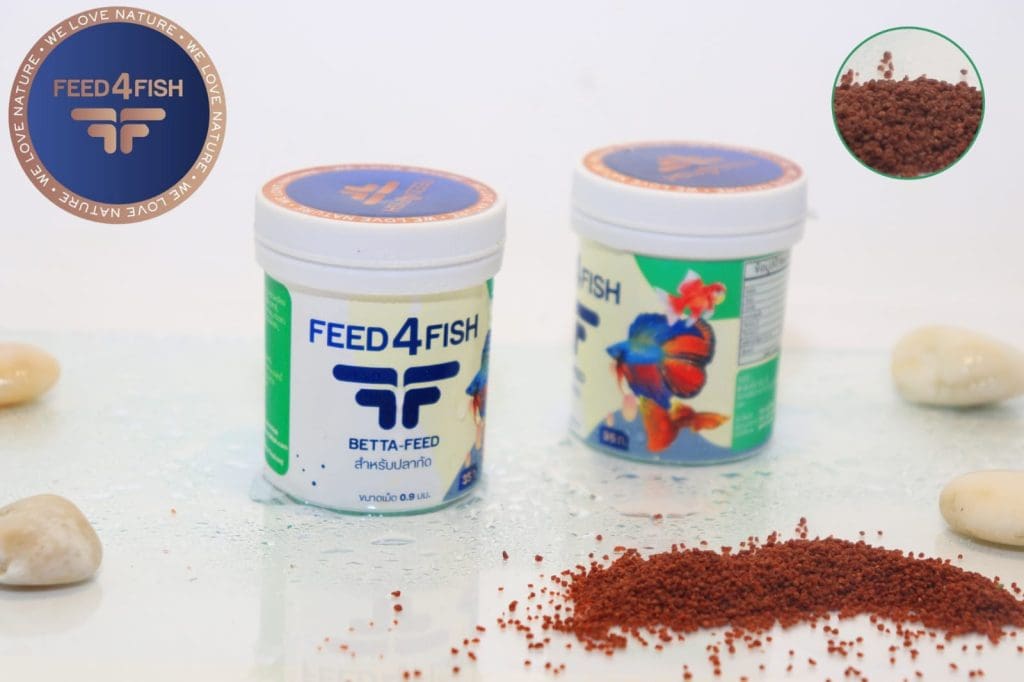
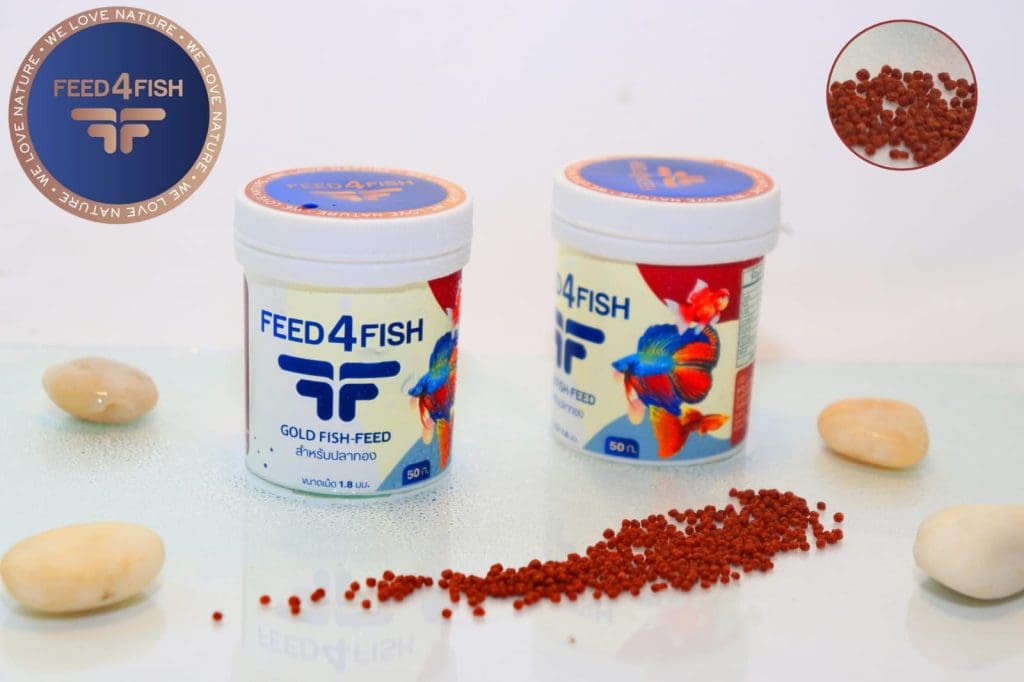
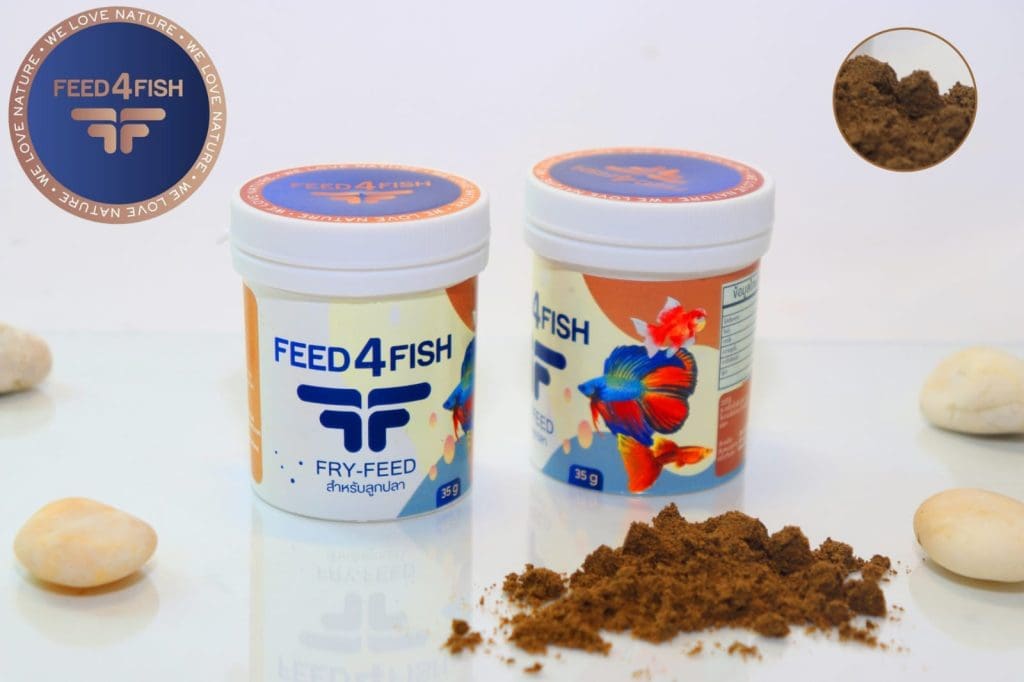
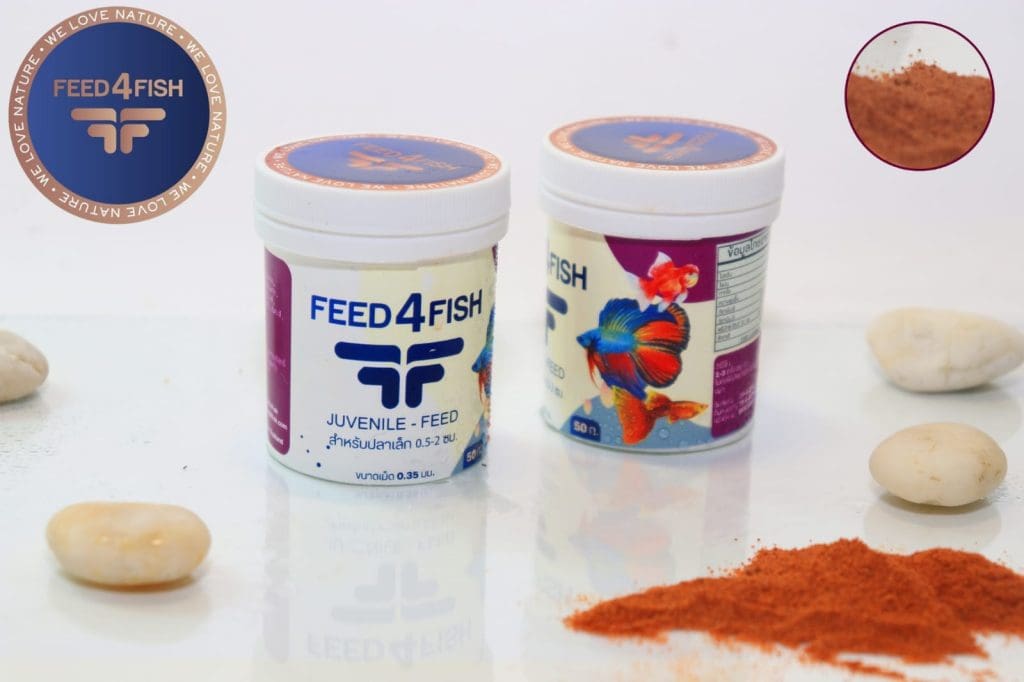
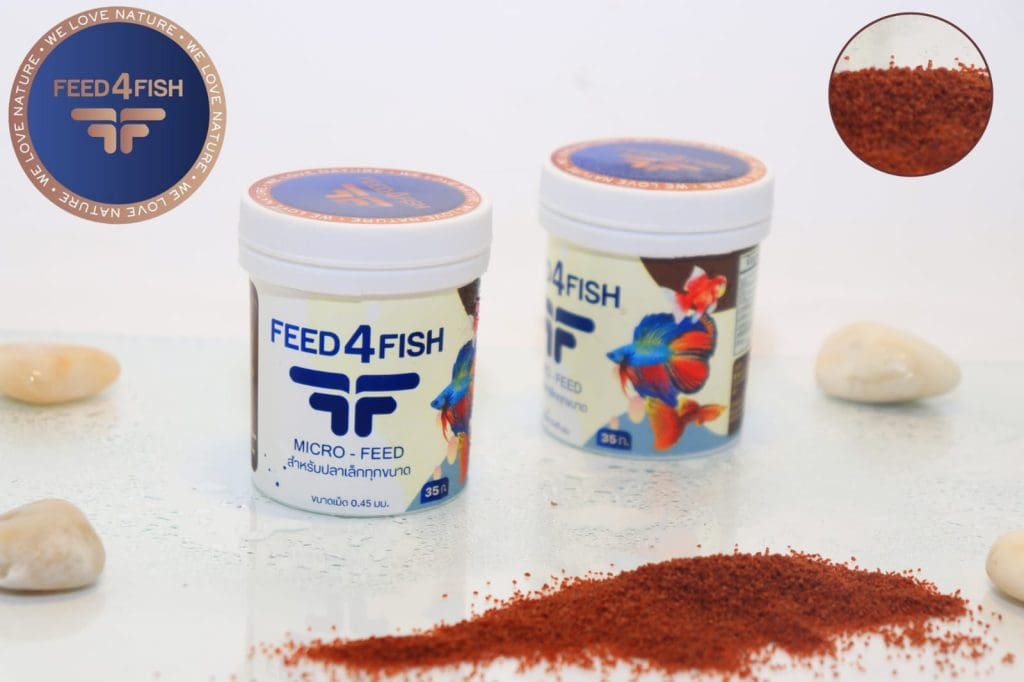
Maipenrai Aquarium, in addition to exporting tropical fish all over the world, also deals with the distribution of Feed4Fish, a new feed produced entirely in Thailand. Feed4Fish is a feed that has two goals: the well-being of the fish and the well-being of the environment: the only source of noble proteins contained in Feed4Fish feed come from Black Soldier Fly larvae.

Who is Black soldier fly?

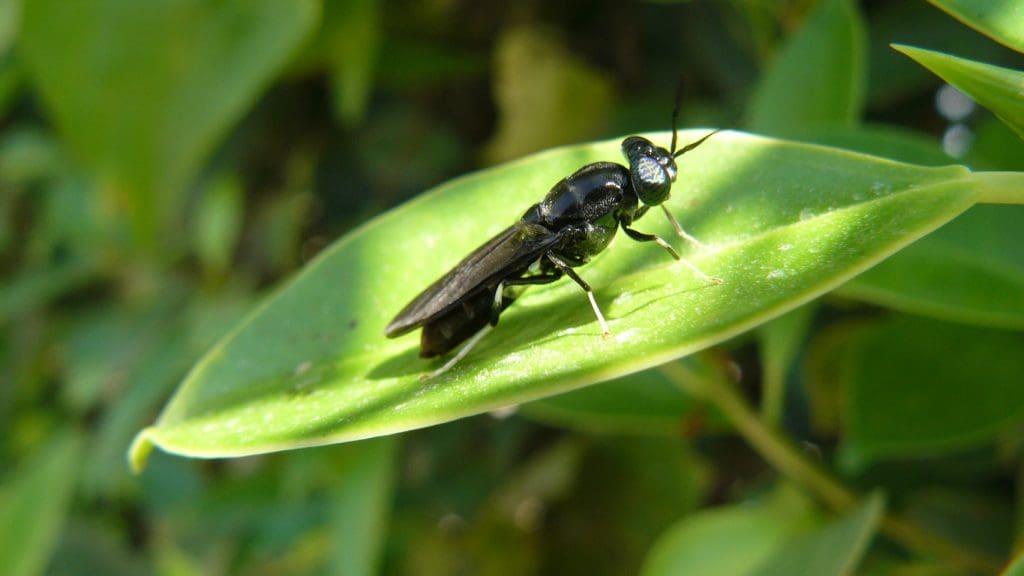
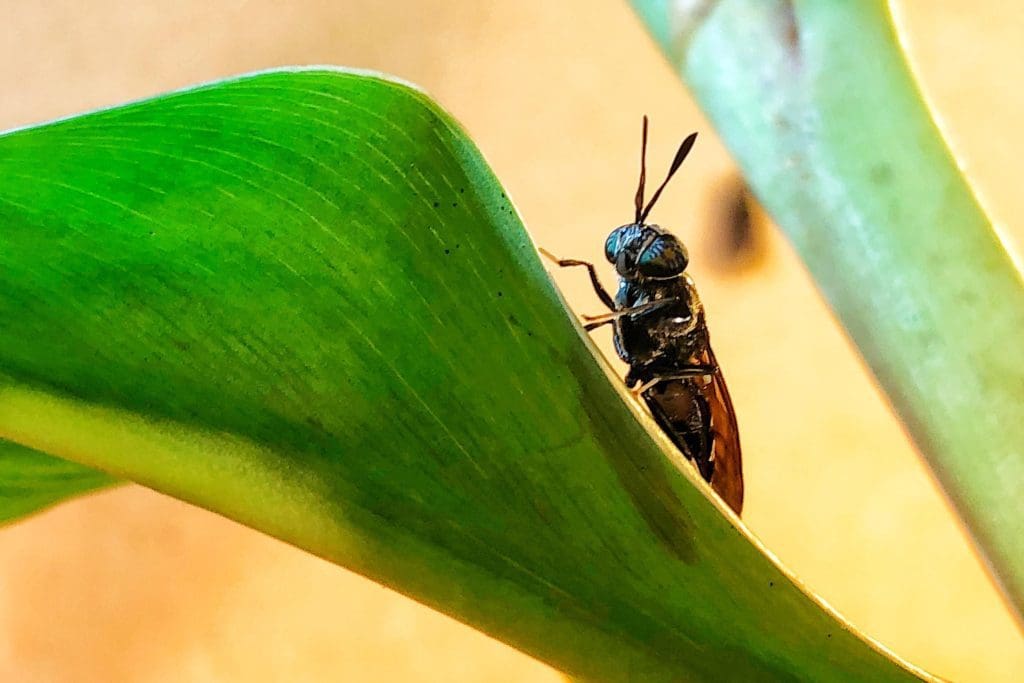
Black Soldier Fly

The black soldier fly (Hermetia illucens) is a species of fly that is native to North America, but can now be found worldwide due to its ability to adapt to a variety of climates. The adult black soldier fly is about 16-22 mm long and is black or dark brown in color.

The black soldier fly is unique in that its larvae (commonly called “BSFL” or “phoenix worms”) are highly efficient at converting organic waste into protein and fat. This has led to interest in using black soldier fly larvae as a sustainable source of animal feed, as well as for waste management and composting.

Black soldier fly larvae are voracious eaters, consuming up to twice their body weight in organic waste per day. They can be fed a variety of organic materials, including food waste, animal manure, and agricultural byproducts. As the larvae feed, they break down the organic matter and convert it into high-quality protein and fat, which can be used to feed livestock, fish, and pets.

In addition to their potential as a source of animal feed, black soldier flies and their larvae also have other applications. For example, the larvae can be used as a protein source for human consumption, and the adult flies can be used in forensic entomology to determine time of death in criminal investigations.

Black soldier fly larvae are relatively easy to keep and require minimal maintenance. Here are some basic steps for keeping black soldier flies:

  1. Housing: Black soldier fly larvae are typically kept in containers made of plastic or other materials that can withstand moisture and heat. A variety of container designs can work, such as a plastic tote or a stack of trays. The container should have holes in the bottom to allow for drainage and air flow.
  2. Substrate: The larvae require a moist substrate to live and feed on. A common substrate is shredded cardboard, which should be damp but not waterlogged. Other substrates that can be used include straw, sawdust, or a mixture of these materials.
  3. Feeding: The larvae should be fed a balanced diet of food waste, animal manure, and/or agricultural byproducts. The food should be chopped or ground up into small pieces to make it easier for the larvae to consume. Avoid feeding the larvae citrus fruits, onions, or meat that has been seasoned with salt or spices.
  4. Temperature: Black soldier fly larvae require temperatures between 80-90°F (27-32°C) for optimal growth. If the temperature drops below this range, the larvae will slow down or stop feeding.
  5. Harvesting: When the larvae are ready to be harvested, they will crawl to the top of the substrate and pupate. At this point, the mature larvae can be collected and used as animal feed or for other purposes.

    Overall, black soldier fly larvae are low-maintenance and can be a sustainable source of protein for animal feed or composting. With the right conditions and feeding, they can quickly consume large amounts of organic waste and convert it into valuable nutrients.

    Below our innovative products for your fish perfect feeding

    BETTA FEED
    GOLDFISH FEED
    FRY FEED
    JUVENILE FEED
    MICRO FEED

    Don’t miss link to Feed4Fish website below:

    http://feed4fish.com/

    Feed4Fish: WE LOVE NATURE

    Categories
    News

    Black Moore Goldfish for sale

    Black moore export – Maipenrai Aquarium Tropical fish Exporter

    The Black Moor is a fancy goldfish variety that is highly sought after by fish hobbyists due to its striking appearance. As the name suggests, Black Moors have a deep, velvety black coloration that covers their entire body, fins, and eyes.

    Like all goldfish, Black Moors are members of the carp family and originated in China over a thousand years ago. They have a rounded body shape and flowing fins, which makes them a popular choice for aquariums.

    Black Moors are hardy fish that can adapt to a range of water conditions, but they do require adequate filtration and frequent water changes to keep their environment clean and healthy. They are omnivores and will eat a variety of foods, including flake or pellet fish food, freeze-dried or frozen foods, and fresh vegetables like peas or spinach.

    One unique trait of Black Moors is their bulging, telescope-like eyes. This trait is a result of selective breeding and can make them more prone to eye problems, such as infections or injury. To help prevent eye problems, it’s important to keep their water clean and avoid sharp objects in the aquarium.

    Overall, Black Moors are beautiful and interesting fish that can make great pets for fish keepers of all experience levels.

    Black Moors are omnivorous fish and will readily accept a variety of foods. To ensure that your Black Moors are getting a balanced diet, it’s important to offer them a variety of foods, including high-quality fish pellets or flakes, freeze-dried or frozen foods like bloodworms, brine shrimp, and daphnia, and fresh vegetables like peas, zucchini, and spinach.

    When feeding your Black Moors, it’s important to avoid overfeeding, as this can lead to health problems such as bloating, constipation, and poor water quality. A good rule of thumb is to feed them a small amount of food two to three times a day, only giving them what they can eat in about two minutes. Any leftover food should be removed from the aquarium to prevent it from fouling the water.

    If you notice that your Black Moors are not eating or seem to be losing weight, it may be a sign of a health issue. In this case, it’s important to monitor your fish closely and seek the advice of a veterinarian or aquatic specialist if necessary.

    Overall, feeding your Black Moors a balanced and varied diet will help keep them healthy and happy.

    Black Moors are a popular aquarium fish that can be kept in a variety of settings, including aquariums and ponds. Here are some things to keep in mind when it comes to keeping Black Moors:

    1. Tank Size: Black Moors can grow up to 8 inches long and are active swimmers, so they require a tank size of at least 20 gallons for a single fish. If you plan to keep multiple Black Moors, you will need a larger tank.
    2. Water Quality: Black Moors prefer a pH range of 6.5-7.5. It’s important to monitor the water quality regularly and perform regular water changes to keep the tank clean and healthy.
    3. Filtration: A good filtration system is essential for keeping Black Moors healthy. A canister or power filter can help maintain good water quality and keep the tank free of debris and waste.
    4. Tank Decor: Black Moors enjoy having places to hide and explore, so providing plenty of hiding spots like caves, plants, and decorations is important. However, it’s important to avoid sharp or rough decor that could damage their delicate fins.
    5. Feeding: As omnivorous fish, Black Moors require a balanced diet that includes both protein-rich foods like fish pellets and live or frozen foods like bloodworms and brine shrimp, as well as plant-based foods like peas and spinach.

    Overall, Black Moors are hardy fish that can make great pets for fish keepers of all experience levels. With the right setup and care, they can live for many years and provide endless enjoyment for their owners.

    Black Moore small size
    Black Moore medium size
    Categories
    News

    Betta hendra for sale in Thailand

    Import/Export Betta hendra

    Maipenrai Aquarium Tropical fish Exporter

    Betta hendra, also known as Hendra’s betta, is a species of freshwater fish in the family Osphronemidae. It is native to the island of Borneo, specifically in the Kapuas River system in Indonesia. The species was first described in 2006 and is named after its discoverer, I. Ketut Hendra.

    Betta hendra is a small fish, reaching a maximum length of about 5 centimeters. The males have striking colors, with a bright red body and iridescent blue-green fins. The females are less colorful, with a brownish body and lighter fins. Like other members of the Betta genus from Indonesia, Betta hendra is a mouth brooder.

    Betta hendra is not commonly kept in the aquarium trade, but it is occasionally available from specialist breeders. It requires a tank with plenty of hiding places and a peaceful community of fish that will not harass or compete with it. Like other bettas, it is a carnivorous fish and will eat a variety of live and frozen foods, including bloodworms and brine shrimp.

    Betta hendra is a carnivorous fish and requires a diet rich in protein. In the wild, it feeds on small aquatic insects, crustaceans, and other small organisms. In the aquarium, it should be fed a varied diet that includes both live and frozen foods.

    Some suitable foods for Betta hendra include:

    • Live or frozen brine shrimp
    • Live or frozen bloodworms
    • Daphnia
    • Mosquito larvae
    • Grindal worms
    • Mysis shrimp

    It is important to avoid overfeeding Betta hendra, as they have a tendency to become overweight and develop health problems. A good feeding schedule for Betta hendra is to feed them small amounts 2-3 times per day. Uneaten food should be removed from the tank to avoid fouling the water.

    It is also a good idea to offer Betta hendra a variety of foods to ensure that they are receiving a balanced diet. Commercially available betta pellets can also be offered, but they should not be the sole source of food as they may lack the necessary nutrients for optimal health.

    If you are considering keeping Betta hendra, here are some things to keep in mind:

    Tank size: Betta hendra is a small fish and can be kept in a tank as small as 10 gallons. However, larger tanks are always better as they provide more swimming room and allow for a more stable environment.

    Water parameters: Betta hendra prefers slightly acidic to neutral water with a pH between 4.5 and 6.0. The water temperature should be kept between 75-82°F (24-28°C). A good filtration system is necessary to keep the water clean and healthy for your fish.

    Tank setup: Betta hendra needs a tank with plenty of hiding places and vegetation to provide them with a sense of security. Live plants like Java fern, Anubias, and Amazon sword are great options. You can also add decorations like driftwood, rocks, or caves. Be sure to leave plenty of open swimming space as well.

    Tankmates: Betta hendra is generally peaceful but can be aggressive towards other fish with long fins or bright colors that it mistakes for another male betta. Good tankmates for Betta hendra include peaceful species like small tetras, rasboras, or Corydoras catfish.

    Feeding: Betta hendra is a carnivorous fish and requires a diet rich in protein. It should be fed small amounts of live or frozen foods 2-3 times per day. Uneaten food should be removed from the tank to avoid fouling the water.

    Overall, Betta hendra is a beautiful and fascinating fish that can make a great addition to a peaceful community aquarium. With proper care and attention to their needs, they can thrive in a home aquarium.

    Betta hendra – Maipenrai Aquarium
    Categories
    News

    Betta channoides for sale in Thailand

    Import/Export Betta channoides from Thailand – Maipenrai Aquarium Tropical Fish Exporter

    Betta channoides, also known as the channa betta or snakehead betta, is a species of fish belonging to the family Osphronemidae. It is a small, freshwater fish that is native to the Borneo island (eastern Kalimantan).

    The channa betta is known for its distinctive appearance, which includes a brownish-orange body with black markings and a long, pointed tail. It is also known for its aggressive behavior and territorial tendencies, and is best kept alone or with other non-aggressive fish in a tank that is at least 10 gallons in size.

    Like other bettas, the channa betta is an insectivore and can be fed a diet of live or frozen insects, such as brine shrimp, bloodworms, and daphnia. It requires a water temperature of 75-82°F (24-28°C) and a pH level of 4.00 – 6.50.

    Overall, the channa betta is a beautiful and interesting fish species that requires careful consideration and care to thrive in an aquarium setting.

    Betta channoides are carnivorous fish and require a diet rich in protein to thrive. Here are some recommended foods for Betta channoides:

    1. Live foods: Betta channoides will readily accept live foods such as brine shrimp, bloodworms, daphnia, and mosquito larvae. These foods are highly nutritious and can be fed as a staple diet or as an occasional treat.
    2. Frozen foods: Frozen foods such as bloodworms, brine shrimp, and daphnia are a convenient alternative to live foods and can provide a varied diet for Betta channoides.
    3. Pellets and flakes: High-quality pellets and flakes formulated for carnivorous fish can also be fed to Betta channoides. Look for products that list whole fish or shrimp as the first ingredient, and avoid products that contain fillers or low-quality proteins.
    4. Freeze-dried foods: Freeze-dried foods such as krill, shrimp, and tubifex worms can also be fed to Betta channoides, but should be soaked in water before feeding to prevent digestive issues.

    It is important to feed Betta channoides a varied diet to ensure they receive all the necessary nutrients for their health and growth. Feed small amounts several times a day, rather than one large feeding, to prevent overfeeding and maintain good water quality in the aquarium.

    Betta channoides is a moth broder fish

    Betta mouth brooding refers to a unique reproductive behavior observed in some species of Betta fish, where the male fish will collect and incubate eggs in his mouth until they hatch into fry.

    During the breeding process, the male Betta will build a bubble nest at the surface of the water and court the female. Once the female lays her eggs, the male will collect them in his mouth and hold them there for a period of several days to two weeks, depending on the species.

    During this time, the male Betta will not eat, but instead will take oxygen from the water through his gills. He will also move the eggs around in his mouth to ensure they are evenly distributed and well-oxygenated.

    After the eggs hatch, the fry will emerge from the male’s mouth and start swimming freely in the tank. At this point, the male will resume feeding and may even become aggressive towards the fry if they get too close.

    Mouth brooding is a fascinating and unique behavior that adds to the appeal of Betta fish as pets. However, it should be noted that not all species of Betta fish exhibit this behavior, and it can be challenging to replicate in a home aquarium. If you are interested in breeding Betta fish, be sure to research the specific requirements of the species you are working with and provide a suitable environment for their reproduction.

    Group of Betta channoides
    Categories
    News

    Catechu Bark for sale in Thailand

    Buy Catechu Bark in Thailand – Maipenrai Aquarium Tropical Fish Exporter

    Catechu bark is a type of tree bark that comes from the acacia tree, scientifically known as Acacia catechu. It is commonly found in India, Southeast Asia, and parts of Africa. The bark contains high levels of tannins, which have been used for centuries in traditional medicine for their astringent and antiseptic properties.

    Catechu bark has a wide range of uses. It is commonly used in Ayurvedic medicine to treat various health conditions such as diarrhea, dysentery, and dental problems. It is also used as a natural dye for fabrics and in the leather industry for tanning hides.

    In addition to its medicinal properties, catechu bark has also been studied for its potential anti-inflammatory and antioxidant effects. However, more research is needed to fully understand its potential health benefits and any potential side effects or interactions with other medications.

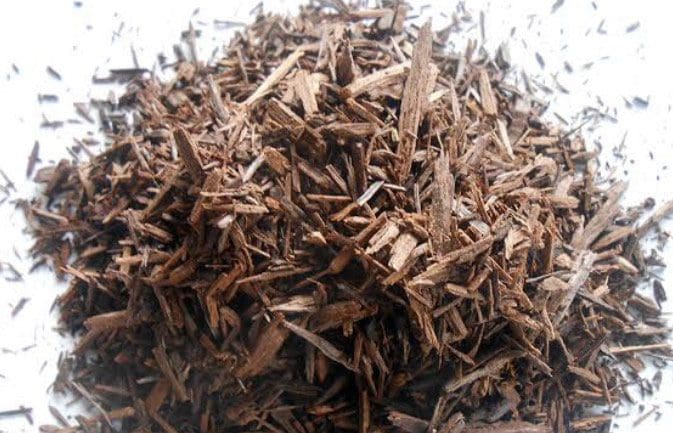
    Catechu Bark Splinter

    Catechu bark can be used in aquariums as a natural way to lower the pH level of the water. This is because the bark contains tannins, which can help to naturally lower the pH level and create a more acidic environment. This can be particularly useful for fish species that prefer a more acidic environment, such as some species of tetras and angelfish.

    To use catechu bark in an aquarium, it is recommended to soak the bark in water for several days before adding it to the tank. This will help to remove any excess tannins and prevent them from turning the water brown. Once the bark has been soaked, it can be added to the tank and left to sit for several days until the pH level has reached the desired level.

    It is important to note that catechu bark can also affect the hardness of the water, so it is recommended to monitor the water parameters regularly and adjust as needed. Additionally, some fish species may not tolerate the tannins in the water, so it is important to research the specific needs of the fish species in the aquarium before using catechu bark

    Catechu bark for Betta

    Catechu bark can be used in betta fish aquariums as a natural way to lower the pH level of the water, as well as to provide other potential benefits. Betta fish are tropical freshwater fish that originate from Thailand, and they prefer slightly acidic water with a pH range of 6.0 to 7.5.

    When added to an aquarium, catechu bark can release tannins into the water, which can help to lower the pH level and create a more natural environment for betta fish. Additionally, the tannins can have potential antibacterial and antifungal properties, which can help to promote the overall health of the fish and reduce the risk of infections.

    To use catechu bark in a betta fish aquarium, it is recommended to soak the bark in water for several days before adding it to the tank. This will help to remove any excess tannins and prevent them from turning the water brown. Once the bark has been soaked, it can be added to the tank and left to sit for several days until the pH level has reached the desired range.

    It is important to note that catechu bark can also affect the hardness of the water, so it is recommended to monitor the water parameters regularly and adjust as needed. Additionally, some species of betta fish may not tolerate the tannins in the water, so it is important to observe the fish closely and remove the bark if the fish appear to be stressed or uncomfortable.
    Do not hesitate to contact us for more information on this product
    Categories
    News

    What it means be an exporter tropical fish

    Maipenrai Aquarium – Tropical fish exporter from Thailand –

    Tropical fish exporting involves breeding, raising, and exporting a variety of fish species from tropical regions around the world. These fish are often sold as pets or for aquariums in other countries. Some of the most popular tropical fish species for export include tetras, angelfish, guppies, and discus fish.

    To become a tropical fish exporter, one must have knowledge and experience in fish breeding and raising. It is also important to comply with regulations set by both the exporting and importing countries, which may include obtaining permits and certifications. Additionally, it is crucial to ensure that the fish are transported and handled in a humane and ethical manner to avoid harm to the animals.

    Overall, while the tropical fish export business can be lucrative, it is important to prioritize the well-being of the animals and comply with all applicable laws and regulations.

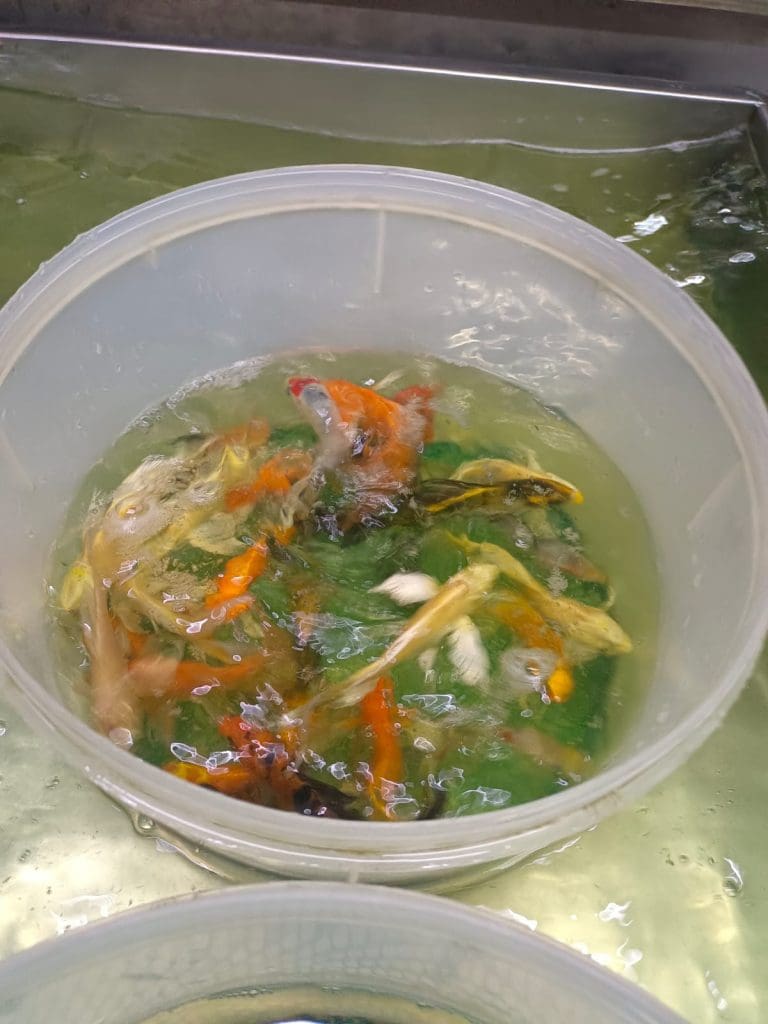
    Koi packing process

    Shipping tropical fish worldwide can be a complex process that requires careful planning and attention to detail to ensure the safety and well-being of the fish. Here are some general steps to follow:

    1. Research regulations: Check the regulations of both the exporting and importing countries to ensure compliance with any permits or certifications required for the export of live animals.
    2. Choose a reliable shipping company: Select a shipping company that specializes in the transportation of live animals and has experience with international shipments.
    3. Prepare the fish: Ensure that the fish are healthy and free of disease. Pack them in an appropriate container with enough water and oxygen to sustain them during transit.
    4. Label and mark the container: Clearly label the container with information such as the species of fish, number of fish, and destination address. Mark the container as “Live Fish” to alert handlers to handle it with care.
    5. Choose a suitable shipping method: Choose a shipping method that will get the fish to their destination quickly and safely. This may include air or sea freight, depending on the distance and location.
    6. Monitor the shipment: Stay in touch with the shipping company to monitor the shipment’s progress and ensure that it is on schedule.
    7. Prepare for arrival: Ensure that the recipient is prepared to receive the fish upon arrival and has the necessary facilities to acclimate them to their new environment.

    It is important to note that the specific requirements for shipping tropical fish may vary depending on the species, destination, and other factors. Therefore, it is crucial to do thorough research and seek advice from experts in the industry to ensure a successful shipment.

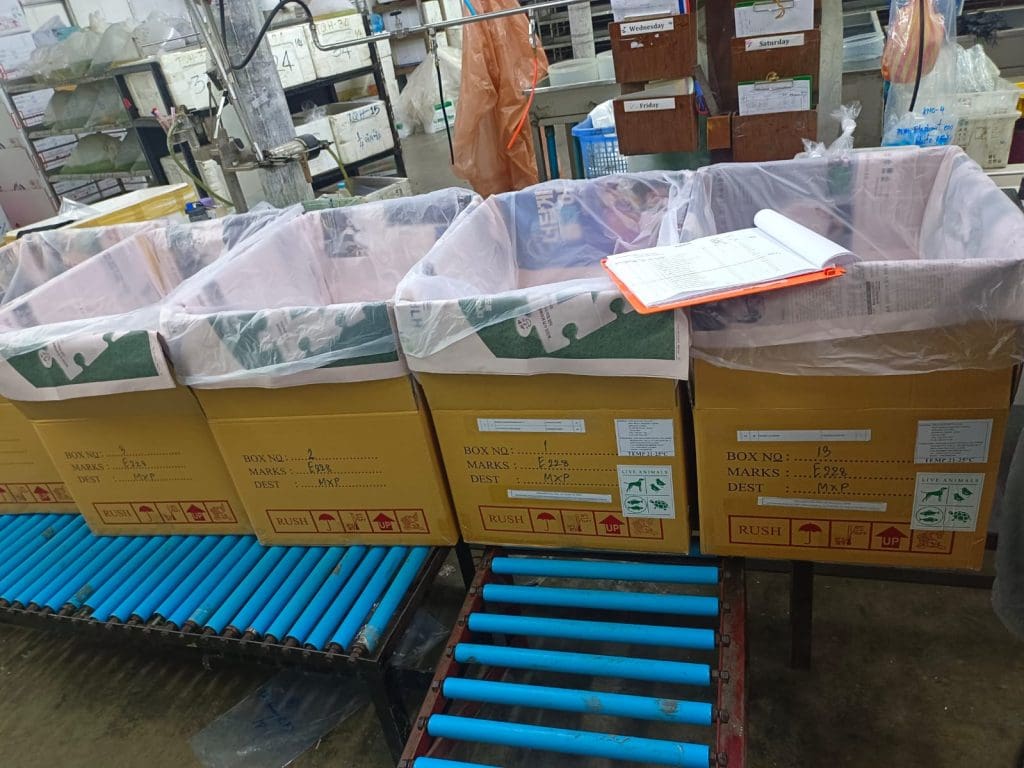
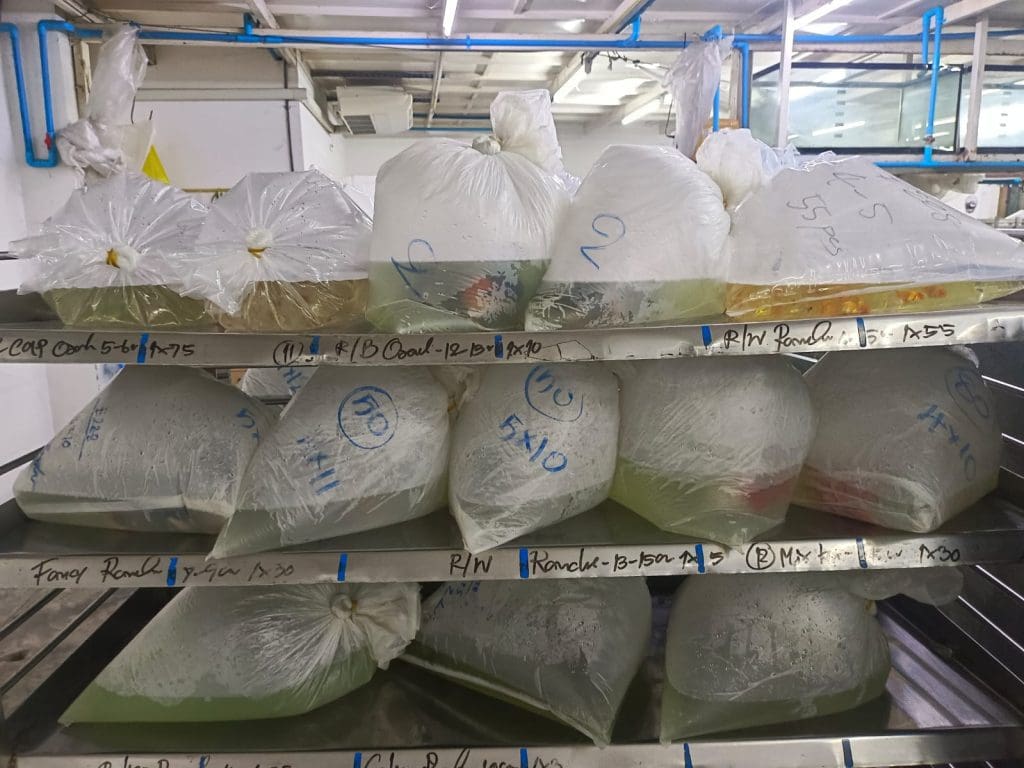
    Checking and labeling

    Properly packing fish before shipping is crucial to their safety and well-being during transit. Here are some general steps to follow when packing fish for shipping:

    1. Choose an appropriate container: Use a sturdy container that is suitable for the size and number of fish being shipped. The container should be clean and free of any harmful chemicals.
    2. Line the container: Place a layer of packing material at the bottom of the container to provide cushioning for the fish during transport. Suitable packing materials include foam, newspaper, or plastic bubble wrap.
    3. Add water: Fill the container with enough water to ensure that the fish can swim comfortably, but not so much that it will overflow during transport.
    4. Add oxygen: Add an appropriate amount of oxygen to the water to ensure that the fish can breathe during transport. You can use an oxygen tank or oxygen tablets specifically designed for this purpose.
    5. Bag the fish: Place the fish in plastic bags that are specifically designed for shipping fish. Fill the bags with water and tie them securely to prevent leaks during transport. It is recommended to use one bag per fish, or to separate fish by species.
    6. Add packing materials: Add additional packing materials around the bags to provide cushioning and stability during transport.
    7. Label the container: Clearly label the container with information such as the species of fish, number of fish, and destination address. Mark the container as “Live Fish” to alert handlers to handle it with care.

    It is important to note that the specific requirements for packing fish may vary depending on the species, destination, and other factors. Therefore, it is crucial to do thorough research and seek advice from experts in the industry to ensure proper packing and safe transport of live fish.

    Prepaking process

    This is our job

    Categories
    News

    Pseudotropheus demasoni: a stunning fish from Malawi lake

    Maipenrai aquarium – tropical fish exporter from Thailand –

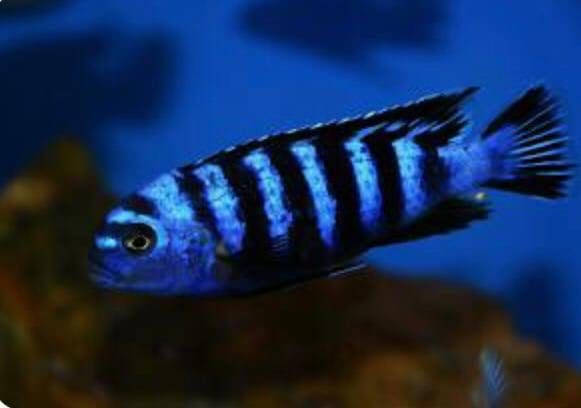
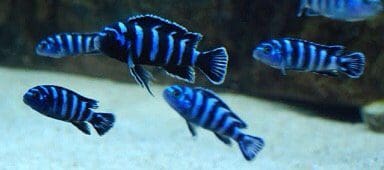
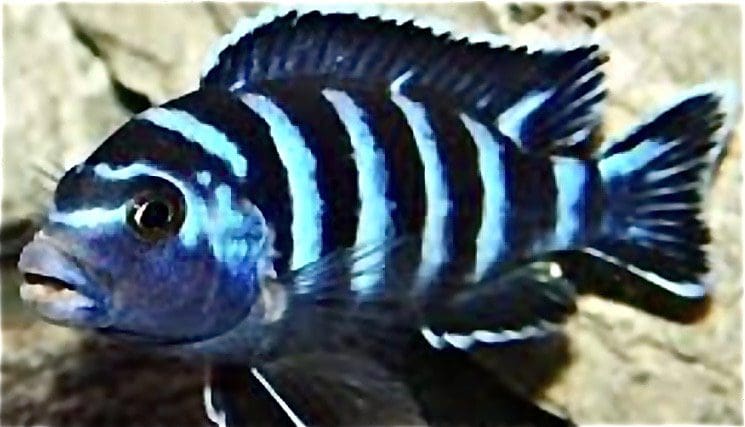
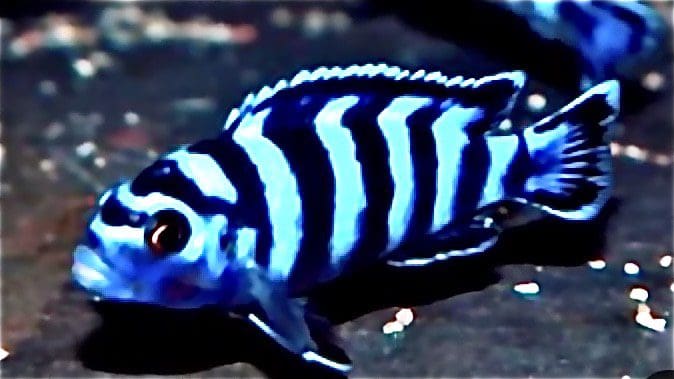
    Pseudotropheus demasoni is a species of freshwater fish that belongs to the Cichlidae family. They are native to Lake Malawi in East Africa and are popular among aquarium enthusiasts due to their vibrant blue and black coloration.

    Pseudotropheus demasoni are small in size, usually growing up to 3-4 inches (8-10 cm) in length. They are known to be territorial and aggressive towards other fish, especially males of their own species. Therefore, it is recommended to keep them in a species-only tank or with other peaceful fish that are not similar in size and color.

    In terms of their diet, Pseudotropheus demasoni are primarily herbivorous and require a diet rich in vegetable matter. They can be fed a variety of foods such as spirulina flakes, pellets, and blanched vegetables such as zucchini, spinach, and peas. It’s essential to provide a well-balanced diet to ensure their overall health and longevity.

    Pseudotropheus demasoni

    Breeding Pseudotropheus demasoni in captivity can be challenging, but it is possible with the right conditions and approach. Here are some tips to help you breed Pseudotropheus demasoni in your aquarium:

    1. Provide optimal water conditions: Pseudotropheus demasoni require water conditions that mimic their natural habitat in Lake Malawi. The water should be alkaline with a pH of 7.5-8.5 and a water hardness of 10-20 dGH. The temperature should be maintained between 76-82°F (24-28°C).
    2. Create a suitable breeding environment: Pseudotropheus demasoni are cave spawners and require a suitable breeding environment. Provide several caves or rocks with crevices where they can lay their eggs and protect their young.
    3. Introduce a breeding group: It’s essential to have a group of Pseudotropheus demasoni consisting of one male and several females for successful breeding. The males will display their bright blue and black colors to attract the females and establish dominance.
    4. Feed a nutritious diet: It’s crucial to feed a nutritious and varied diet to ensure the health and vitality of your Pseudotropheus demasoni. Providing a diet rich in vegetable matter will help stimulate breeding behavior.
    5. Observe and monitor breeding behavior: Once the males establish dominance and breeding behavior begins, observe the group and monitor their progress closely. After spawning, remove the female to another tank to protect the eggs and fry.
    6. Raise the fry: Pseudotropheus demasoni fry are relatively easy to raise and can be fed small amounts of crushed flakes or newly hatched brine shrimp. Maintain optimal water conditions and provide ample hiding places for the fry to reduce aggression from adult fish.

    Breeding Pseudotropheus demasoni requires patience and attention to detail, but it can be a rewarding experience for aquarium enthusiasts.

    Demasoni cichlid
    Malawi cichlids Pseudotropheus demasoni

    Maipenrai aquarium tropical fish exporter: ask us our full stock list

    Categories
    News

    Betta smaragdina for sale in Thailand – Import Emerald Betta

    Import/Export Betta smaragdina (Emerald Betta) from Thailand

    Betta smaragdina, also known as the emerald betta or green betta, is a species of freshwater fish that belongs to the family Osphronemidae. It is native to Southeast Asia, specifically found in Thailand, Laos, and probably Vietnam.

    As its name suggests, the emerald betta has a vibrant green coloration, with blue and red accents on its fins. Males typically have longer and more elaborate fins than females, and are more colorful overall. They can grow up to around 3 inches in length.

    In the aquarium hobby, bettas are a popular species of fish known for their striking colors and flowing fins. However, it’s important to provide them with a suitable environment, including a heated and filtered tank with plenty of hiding places and vegetation. Additionally, bettas are known to be territorial and aggressive towards other fish, so it’s best to keep them in a tank by themselves or with other peaceful species.

    Betta smaragdina

    Breeding Betta smaragdina, like other species of bettas, can be a rewarding but challenging endeavor. Here are some basic steps and considerations for breeding emerald bettas:

    1. Set up a breeding tank: Prepare a separate tank specifically for breeding, with a size of at least 10 gallons. The tank should have a heater to maintain a temperature between 78-82°F, a filter, and plenty of hiding places such as plants, caves, or breeding cones.
    2. Select healthy breeding pair: Choose a male and female emerald betta that are healthy, active, and have bright colors. It’s best to choose fish that are not related to each other to avoid genetic issues.
    3. Condition the breeding pair: Before breeding, it’s important to condition the breeding pair with a varied and protein-rich diet. Offer live or frozen foods such as bloodworms, brine shrimp, or daphnia. Increase the frequency and amount of feeding for a few weeks until the fish become plump and ready to breed.
    4. Introduce the breeding pair: Once the breeding pair is ready, introduce them to the breeding tank. The male will start building a bubble nest at the surface of the water, and will display courtship behaviors such as flaring his fins and gills to attract the female.
    5. Observe the breeding process: The male will embrace the female and release sperm and eggs simultaneously. The eggs will float to the surface and the male will collect them in his bubble nest. After several hours, remove the female to prevent her from eating the eggs.
    6. Incubate the eggs: The eggs will hatch within 24-48 hours, and the fry will remain in the bubble nest for another 2-3 days before becoming free-swimming. Provide the fry with infusoria or newly hatched brine shrimp for the first few days, and gradually introduce more advanced foods as they grow.

    Breeding bettas can be challenging, and it’s important to do proper research and preparation before attempting to breed them. It’s also important to ensure that any breeding practices are ethical and sustainable, and not harmful to the fish or natural populations.

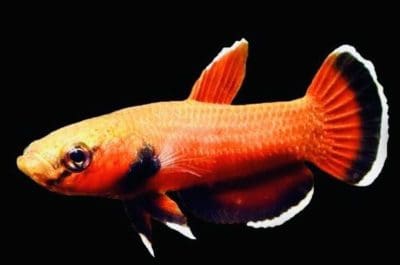
    Betta smaragdina guitar – An uncommon genetic variant of betta smargdina

    Buriram is a province in northeastern Thailand, which is within the native range of Betta smaragdina, also known as the emerald betta or green betta. It’s possible that this species of fish is found in Buriram, as it’s known to inhabit various parts of Thailand.

    In the aquarium hobby, bettas are commonly bred and traded, and it’s possible that emerald bettas from Buriram or other parts of Thailand are sought after by hobbyists due to their unique genetic traits or regional variations. However, it’s important to ensure that any fish being traded are ethically and sustainably sourced, and not taken from the wild without proper permits or harming natural populations.

    Betta smaragdina Buriram

    Bettas are carnivorous fish that require a varied and balanced diet to maintain good health and coloration. Here are some tips for feeding bettas:

    1. Offer a high-quality pellet ( http://www.feed4fish.com ) or flake food: Bettas can be fed a high-quality pellet or flake food that is specifically formulated for bettas or other carnivorous fish. Look for a food that contains a high percentage of protein and is fortified with vitamins and minerals.
    2. Supplement with live or frozen foods: Bettas also benefit from live or frozen foods such as bloodworms, brine shrimp, or daphnia. These foods are high in protein and provide essential nutrients that may not be found in dry foods.
    3. Feed in small amounts: Bettas have small stomachs and should be fed small amounts 2-3 times a day. Overfeeding can lead to digestive issues and obesity.
    4. Avoid feeding exclusively on one type of food: Variety is key to a healthy diet for bettas. Rotate between different types of dry and live/frozen foods to provide a balanced and varied diet.
    5. Consider feeding vegetables: Bettas may also benefit from some vegetable matter in their diet, such as blanched spinach or peas. These can help with digestion and provide additional nutrients.
    6. Remove uneaten food: Any uneaten food should be removed from the tank after a few minutes to prevent it from fouling the water.

    It’s important to provide a balanced and varied diet for bettas to ensure their good health and longevity. Remember to also consider the size of the betta’s stomach and to not overfeed them.

    All the varieties of Betta smargdina are constantly present in our availability. Do not hesitate to contact us for more information
    Categories
    News

    Import/Export Medaka fish from Thailand

    Medaka fish (Oryzias latipes) from Thailand – Maipenrai Aquarium tropical fish exporter

    Medaka is a small freshwater fish belonging to the family Cyprinidae. It is native to East Asia and is found in rivers, streams, and ponds. Medaka is commonly used as a model organism in scientific research, particularly in genetics and developmental biology. Its small size, rapid development, and ease of breeding make it a useful model for studying various biological processes.

    Medaka has been extensively studied for its sex determination mechanism, as well as its ability to regenerate its fins and heart tissues. Its genome has been sequenced, and there are several genetic tools available for manipulating and studying the fish. Medaka is also used in toxicology studies and as a bioindicator for environmental pollution.

    Medaka is a popular aquarium fish, known for its colorful appearance and peaceful nature. It is easy to care for and can thrive in a variety of aquatic environments. In Japan, medaka has been bred for centuries and is considered a cultural treasure.

    Medaka Platinum

    Breeding medaka is relatively simple, and it can be done in small aquaria with a minimum amount of equipment. Here are some basic steps to follow for medaka breeding:

    1. Choose healthy and sexually mature medaka fish: Select healthy adult medaka fish that are at least six months old and have reached sexual maturity.
    2. Set up a breeding tank: Set up a breeding tank with a capacity of at least 5 gallons, and provide it with a heater and a filter. The temperature of the water should be maintained at around 25°C.
    3. Provide hiding places: Add some plants or other hiding places to the breeding tank to create a comfortable environment for the fish.
    4. Introduce a breeding pair: Place a male and female medaka in the breeding tank. Make sure that the ratio of males to females is 1:1.
    5. Observe the fish: Observe the fish closely to identify mating behavior. The male medaka will chase the female and display his colorful fins to attract her.
    6. Collect the eggs: After mating, the female will lay eggs in the plants or other hiding places. Use a small net to collect the eggs and transfer them to a separate hatching tank.
    7. Incubate the eggs: Incubate the eggs in the hatching tank for around five days until they hatch into fry.
    8. Feed the fry: Feed the fry with small amounts of brine shrimp or other small aquatic organisms. Make sure to provide them with a clean and well-maintained environment to ensure their healthy growth.
    9. Separate the fry: After about two weeks, separate the fry from the adult medaka and move them to a separate tank for further growth and development.

    These basic steps should help you successfully breed medaka in your home aquarium. However, it is important to note that some varieties of medaka, such as the albino or fluorescent medaka, require specialized breeding techniques.

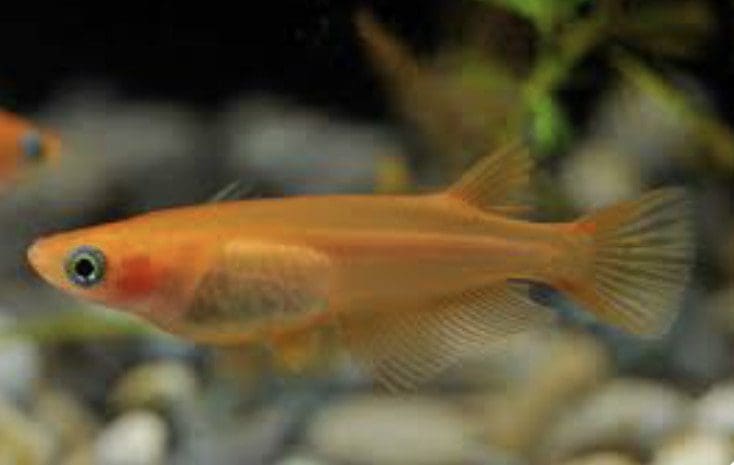
    Medaka Orange

    Medaka are omnivorous fish and can eat a variety of foods. Here are some guidelines for feeding medaka:

    1. Commercial fish food: Medaka can be fed commercial fish food pellets or flakes that are designed for small tropical fish. These foods are generally nutritionally balanced and contain a mix of plant and animal-based ingredients.
    2. Live or frozen food: Medaka can also be fed live or frozen foods such as brine shrimp, daphnia, or bloodworms. These foods are rich in protein and can help to enhance the fish’s natural coloration.
    3. Vegetables: Medaka also enjoy eating small pieces of vegetables such as zucchini or spinach. These foods should be cooked or blanched to make them easier for the fish to digest.
    4. Frequency and quantity: Medaka should be fed two to three times a day, in small portions that they can consume within 2-3 minutes. Overfeeding can cause digestive problems and pollute the aquarium water.
    5. Variety: It is important to provide a varied diet to medaka to ensure that they get all the necessary nutrients. A mix of commercial fish food, live or frozen foods, and vegetables can help provide a balanced diet.
    6. Water quality: Clean and well-maintained aquarium water is also important for medaka’s health and growth. Make sure to perform regular water changes, and avoid overfeeding to prevent water pollution.

    By following these guidelines, you can ensure that your medaka are well-fed and healthy.

    Don’t hesitate to contact us for full stock and price list

    Categories
    News

    Import tropical fish from Thailand to the USA

    Import/Export tropical aquarium fish from Thailand to USA

    Thanks to the end of the COVID 19 pandemic, airfares are gradually returning to normal. At this moment we are once again exporting to the United States of America with the same affordable rates that existed until 2019. In addition to this, most of the airports are available again, finally decreeing a return to normal.
    For all new customers, we summarize below some aspects to keep in mind to easily import tropical fish from Thailand to the United States of America.

    Importing tropical fish from Thailand to the USA requires compliance with a number of regulations and requirements. Here are some key steps to consider:

    1. Obtain a permit: Before you can import tropical fish from Thailand to the USA, you need to obtain a permit from the U.S. Fish and Wildlife Service (FWS). This permit is known as a CITES (Convention on International Trade in Endangered Species) permit, and it is required for all shipments of wildlife and wildlife products that are covered by CITES.
    2. Choose a reputable exporter: You will need to find a reputable exporter in Thailand who can supply you with the tropical fish you want to import. Look for an exporter with a good track record of compliance with CITES regulations and a solid reputation in the industry.
    3. Confirm compliance with Thai export regulations: The exporter will need to comply with Thai export regulations, which may include obtaining an export permit from Thai authorities. Make sure the exporter can provide you with all necessary documentation to demonstrate compliance with these regulations.
    4. Arrange for transport: You will need to arrange for transport of the tropical fish from Thailand to the USA. This may involve working with a freight forwarder or other logistics provider to ensure that the fish are transported safely and in compliance with all relevant regulations.
    5. Meet U.S. import requirements: Once the tropical fish arrive in the USA, they will need to meet all relevant import requirements. This may include inspection by the U.S. Department of Agriculture (USDA) or the FWS, and compliance with regulations related to animal health and welfare.
    6. Pay any required fees: There may be fees associated with importing tropical fish from Thailand to the USA, including fees for permits, inspections, and other services. Make sure you understand all costs associated with the import process before you begin.

    It’s important to note that regulations and requirements for importing tropical fish can vary depending on the species and other factors. You should consult with a qualified expert or regulatory agency for specific guidance on importing the specific species of tropical fish you are interested in.

    Do not hesitate to contact us for more information